InigoInigo Logo

The Designer's Toolbox: James Plumb

In the next instalment of our Designer’s Toolbox series, we asked James Russell and Hannah Plumb of James Plumb design studio to share some of the objects, concepts and spaces that define their working life. From scissors passed down through generations to the use of shadow, they give us a glimpse of their material – and immaterial – world …

Homes / Pursuits
words
Hannah Plumb and James Russell
The Designer's Toolbox: James Plumb

Shadows

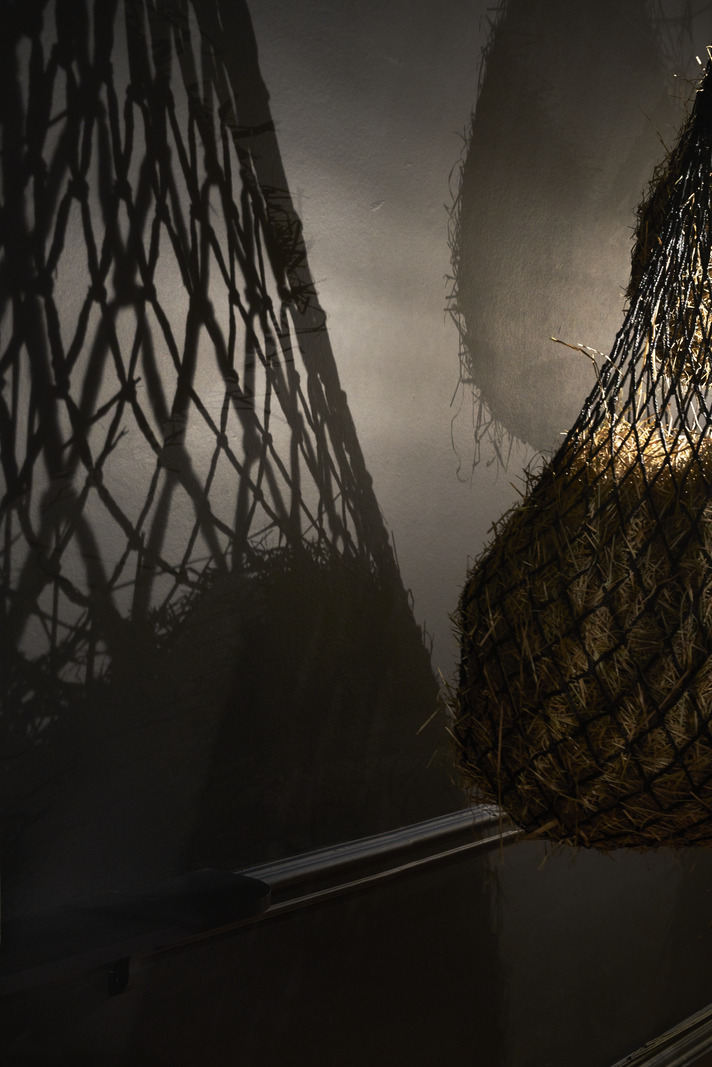
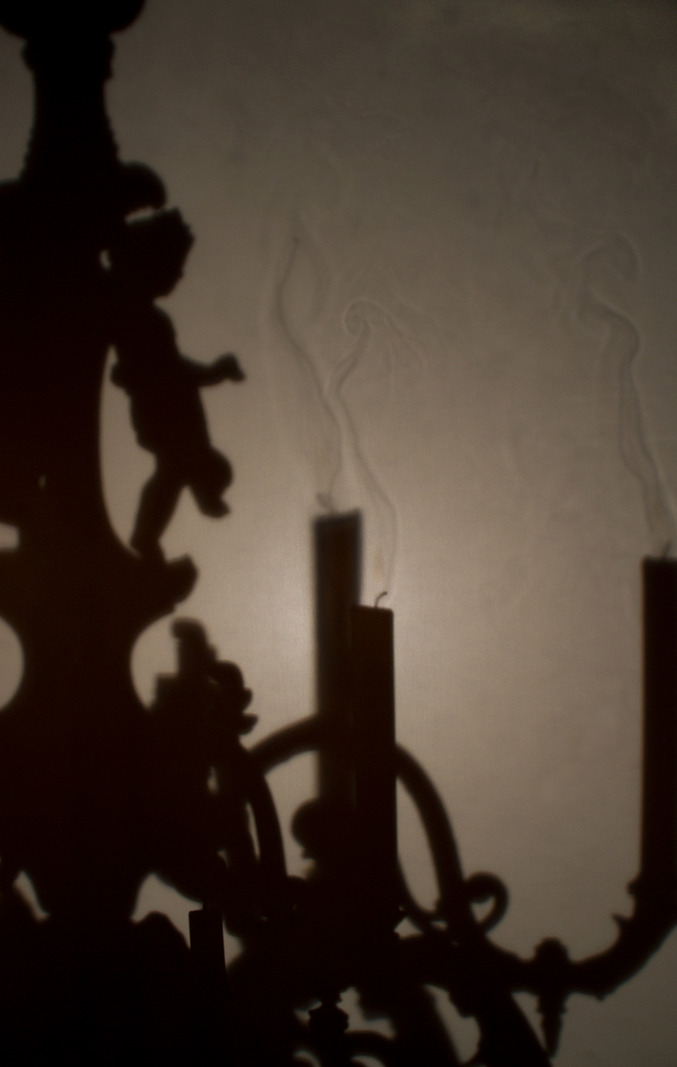
James: Shadow has always been present in our work, but now it’s something we always consider. Rather than talking about the absence of light, we’ll talk about the presence of shadow, and actively encourage it and plan for it in our work. Reading Junichiro Tanizaki’s incredible book, In Praise of Shadows, solidified something in our minds and encouraged us to work with shadow, rather than against it. Shadows have been the subject of some specific works we've made, including a series called Studies of Candle Shadows, but they are also crucial to environments we have created.

Lime putty

Hannah: A material that we’re using and enjoying more and more is lime putty. Although it’s not a new material to us, we’ve been using it much more since we moved to our farmhouse. What is wonderful is its versality. By adding water and pigment you can create a whole world of lime wash colours, or by adding sand and differing aggregates you can plaster or create mortar to build walls. Plus its breathable, which is crucial for older buildings like ours, and it doesn’t trap moisture like cement does. We’ve increasingly been using a more modern version of hydraulic lime to make limecrete, which we use in our sculptures. In this way, our architectural and building work feeds into our sculptural work.
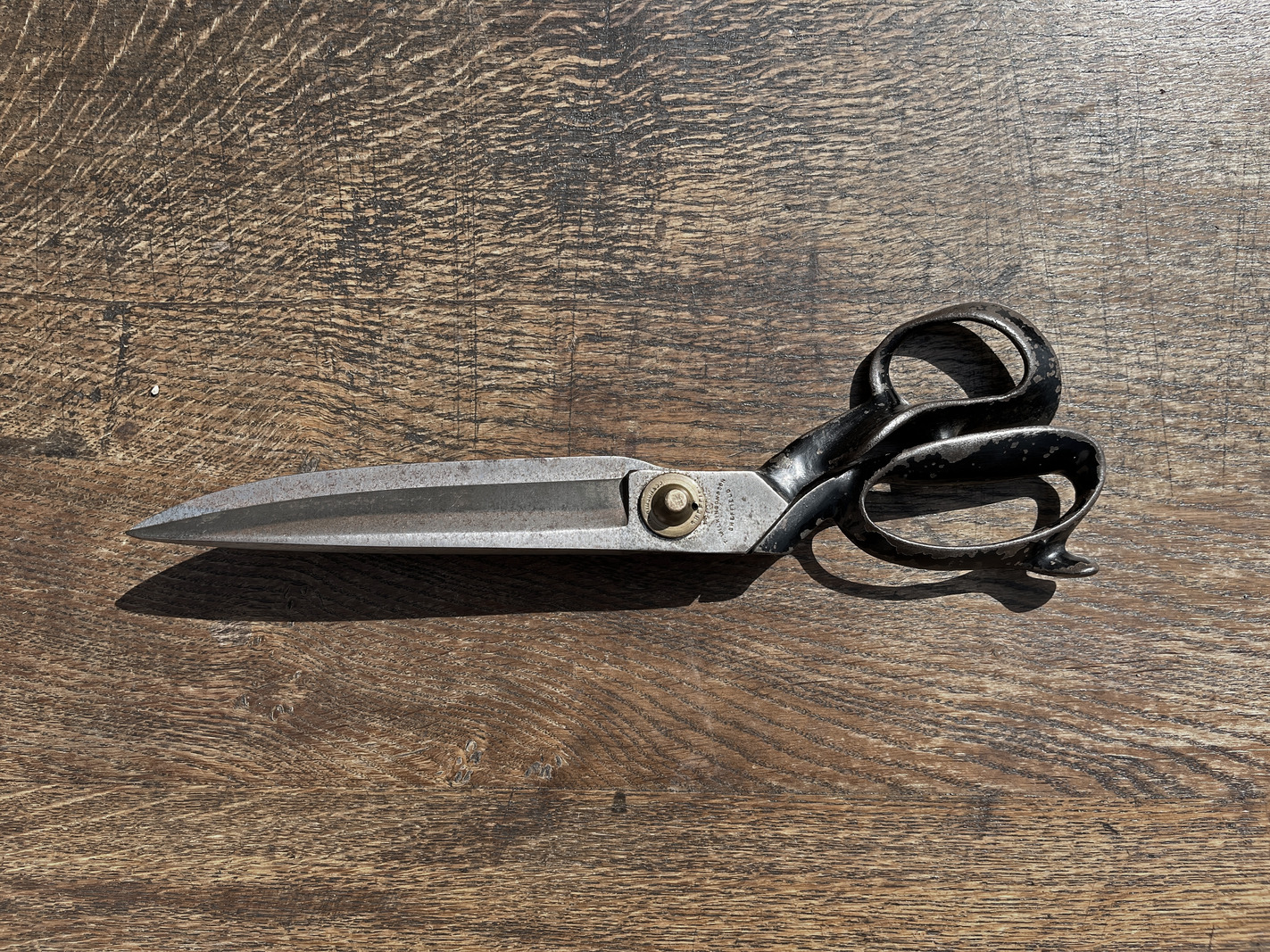
Fabric scissors

Hannah: These heavy scissors once belonged to my grandfather, who was a tailor. They were made in Sheffield, and they’re probably about 80 years old. They are only to be used for cutting fabric; my grandfather would always lecture us if we tried to use them for anything else. James’s mother is a quilter, so he grew up with the same advice ringing in his ears. Ergonomically, they’re a joy to use because they are designed to stand flat on the cutting table. This means that the table takes their weight as you glide them through the fabric, which results in a straighter, crisper cut.

James: Our parents and grandparents taught us the importance of investing in the right tools for the job, and looking after them. Whenever we can, we always try to buy the best that we can so that it will last a lifetime – or longer. Or we buy old tools, because they’re so well made.

Roof bars

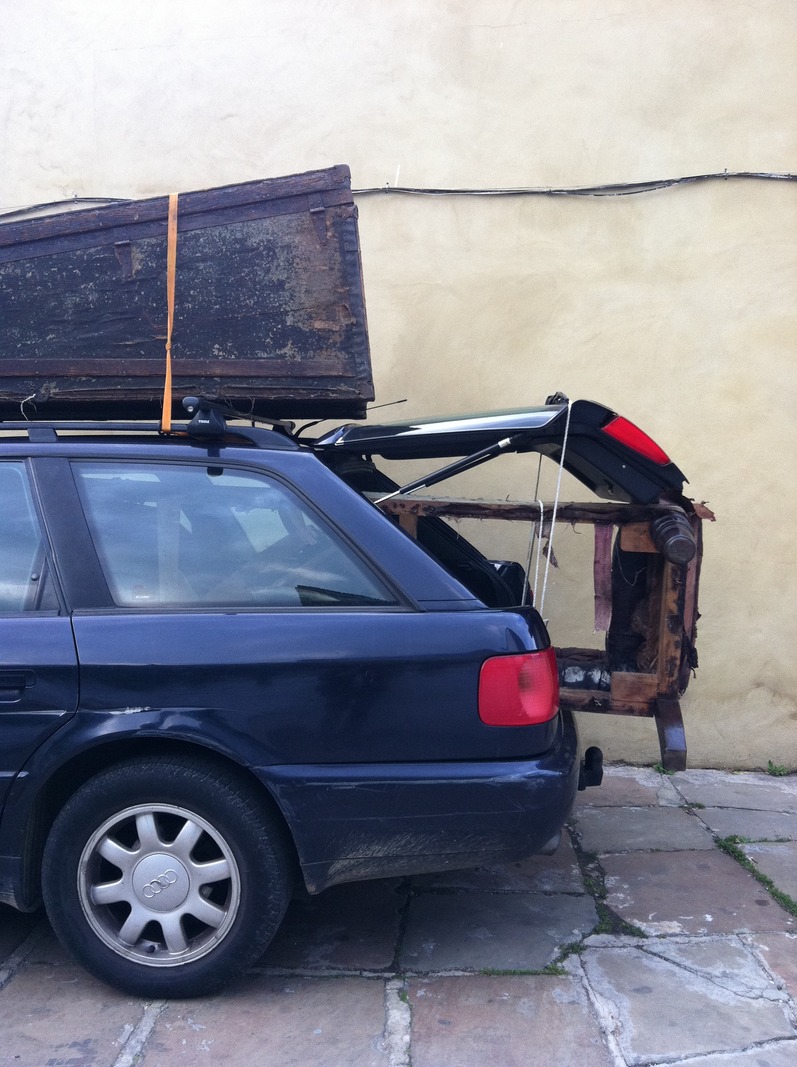
James: Roof bars have been such a crucial tool to help us transport the objects and materials that we make into sculptures. Our first shared car was Hannah’s tiny Peugeot 106, which had almost no boot space. We installed roof bars to help us transport items, and we have added them to every car since.

Hannah: One of our greatest pleasures is having the ability to stop by a skip or antiques market and – if our eyes become bigger than our boot – being able to get things home on the roof. I remember one journey back from an antiques market and we had an old Wurlitzer harp case on the roof and a three-metre Chesterfield sticking out of the boot. And then we ran out of petrol on the motorway. It was a strange sight to see being dragged up on top of a tow vehicle.

The senses

James: Aesthetic is important in our work, but we’ve always tried to think about how people experience, use or inhabit our objects and spaces. There’s a wonderful book by Juhani Pallasmaa called The Eyes of the Skin, where he emphasises the experience of the world rather than the look of the world. We try to make our work real and tangible. For example, in 2017 we worked with Hermès to deliver an event that included a life drawing class with a horse as the subject. The concept referenced the company’s equestrian roots, and we wanted to involve the senses throughout the event so we burned hay, smoked the food in hay and used music and sound. It became a multi-layered event.

Our library

Hannah: Our main library is in storage at the moment, and it’s something we really miss. We only have access to books that we’ve bought in the last four years; the rest of them are right at the back of a barn, underneath everything. We’re really looking forward to having a dedicated library, and giving ourselves plenty of future capacity too. A lot of our books are on artists and exhibitions, and we relish taking armfuls of books along to client meetings to share ideas and inspiration. The internet is amazing, but there’s something about the physicality of books, marking pages and the smell of ink on paper.

Our studio space

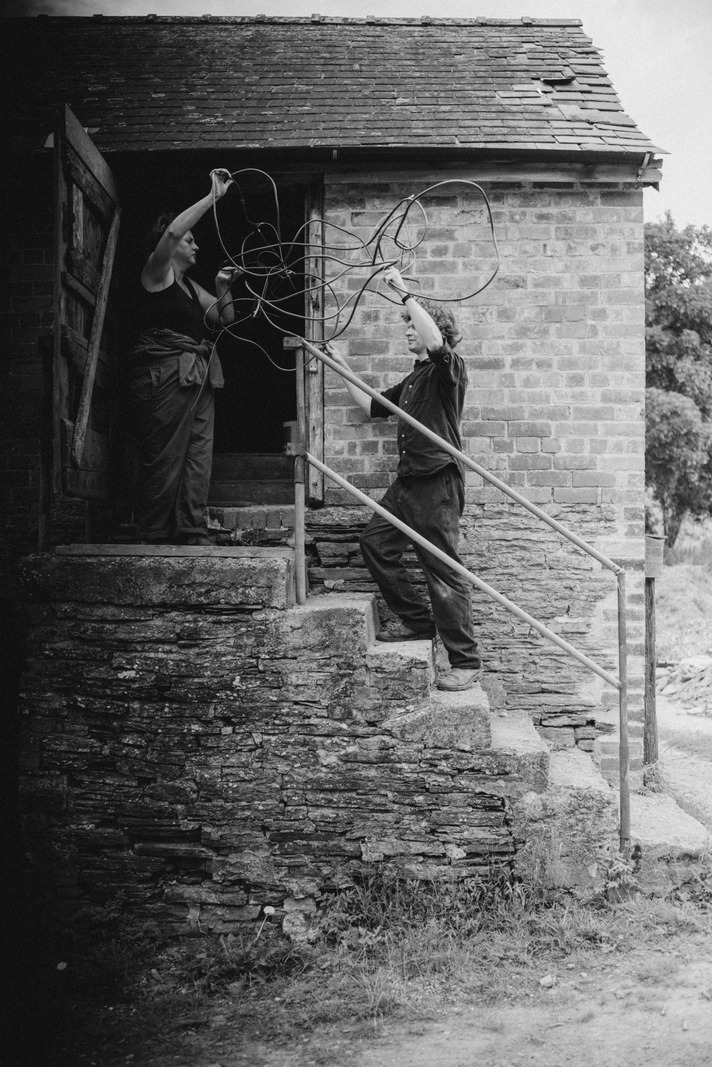
James: Before we moved to Shropshire we lived in London, where we had a wonderful studio space for about 13 years. We had really established ourselves there, when sadly our landlord decided to sell the building. We couldn’t find anything suitable in London, which led us to start looking outside of the city. We’ve now nearly finished one of our barns, which we can properly start using as a studio. In the meantime we’ve been moving between different places, working from leaky rooms and unfinished buildings, with trailing extension leads and the like. We’ve realised just how important a studio space is to us, after experiencing the absence of it. A lot of our designs are created by physically making something, and having the space do that that is crucial.

James Plumb is a creative design studio founded by Hannah Plumb and James Russell. They create objects, sculptures and environments that blur the distinction between art and design, often using found objects and natural materials. Previous projects include collaborations with Hermès, Aesop and PSLab. They are currently working on an architectural project in upstate New York.

Follow James Plumb on Instagram

Photography credits: © Hannah Plumb & James Russell; © Finn Beales

Feeling inspired?

Subscribe