The Grand Tour
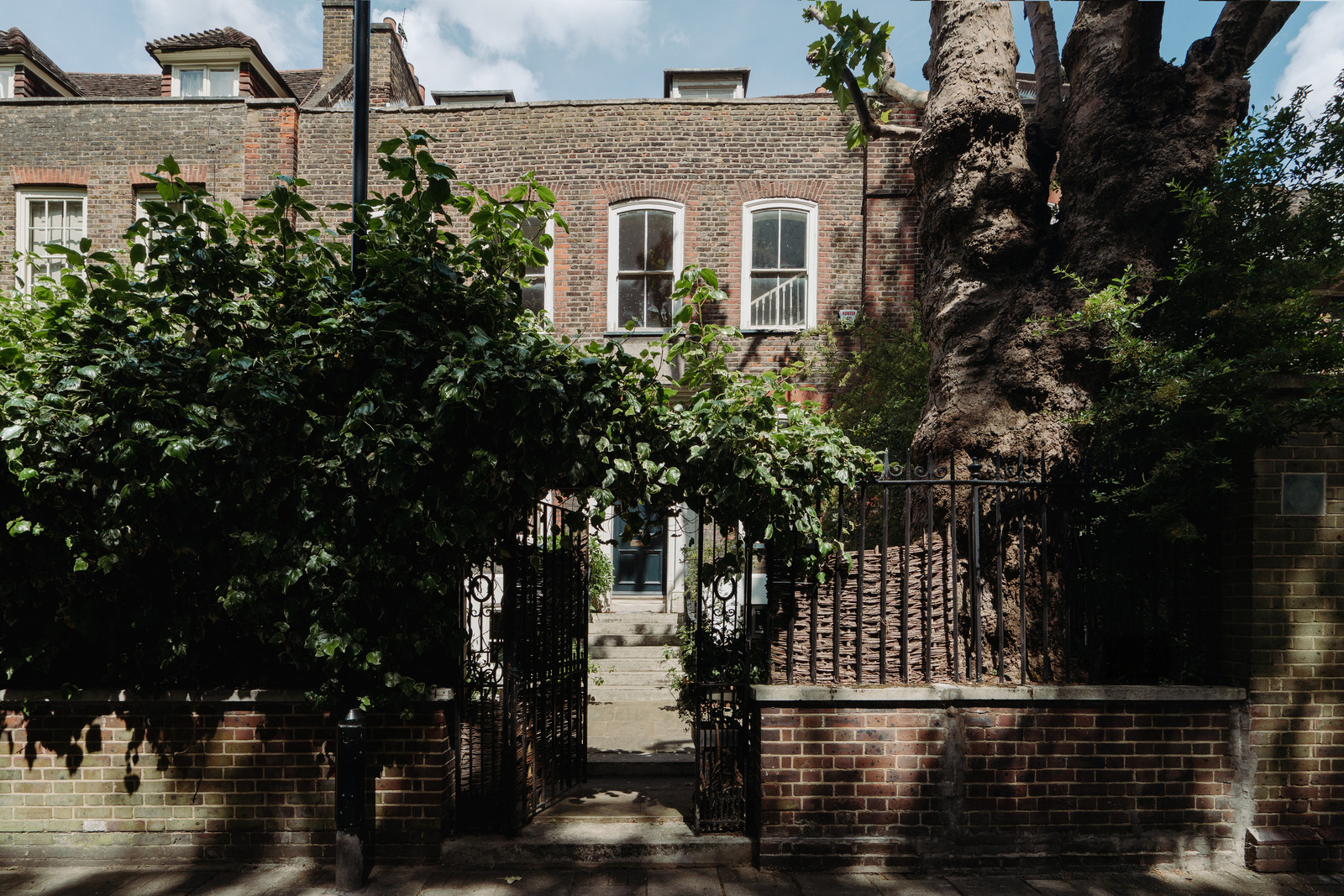
The house is set behind iron railings and inset with an electronically operated gate; a mature plane tree in the front garden offers further privacy from the main thoroughfare. The garden is planted with Buxus and other shrubs, and a York stone path leads to the raised entrance. Five bays wide and four storeys high, the clay tile roof is inset with two dormers and the main elevation is punctuated with large box sash windows. Uniquely, a ‘dispensary tablet’ is set above the pilastered doorcase, a stone plaque recording the former use of the house as a tuberculosis clinic during the reign of Edward VII. It stated that the house was the ‘Stepney Dispensary for the Prevention of Consumption’, denoting the downward spiral of social status in the area at that time.
There is another service entrance to the lower ground floor, convenient for day-to-day access to the service hall-cum-boot room, and additionally, a driveway to the side of the front garden leads to secure parking in front of arched double timber gates within the enclosed and integrated carriage space. Access to the rear garden leads directly from here.
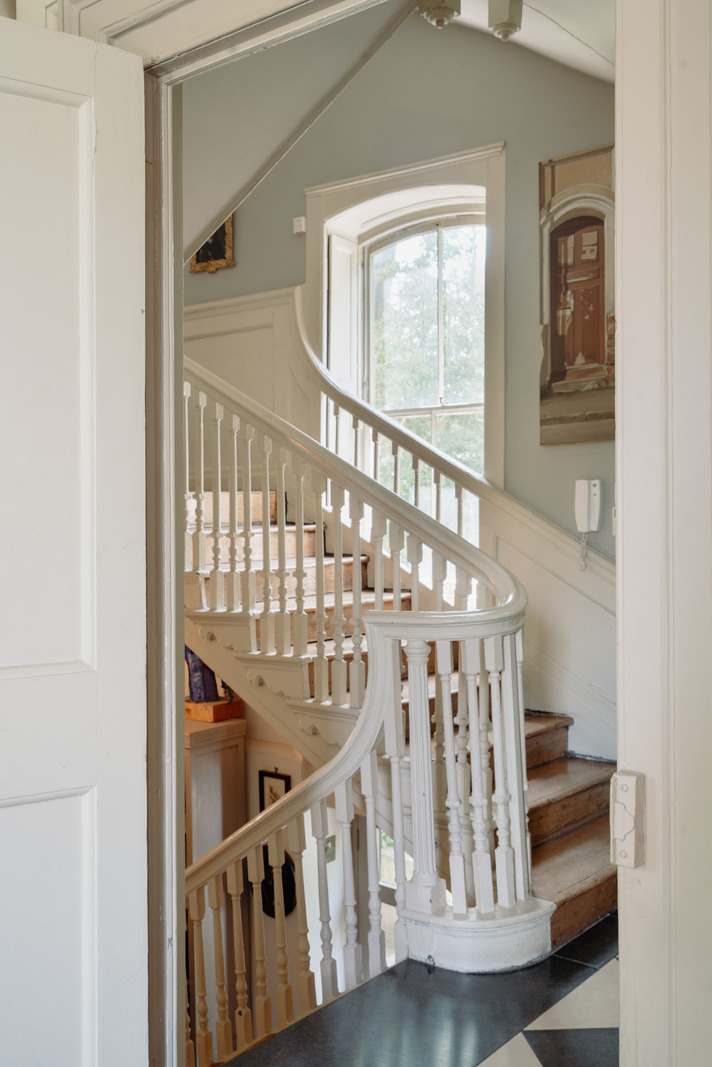
On the raised ground floor, the main entrance hall is panelled, with a box cornice resting above, and black and white stone tiles laid in a diagonal pattern extend underfoot. An open-well, cantilevered staircase is a remarkable original architectural feature, with ornate balusters and a square end handrail.
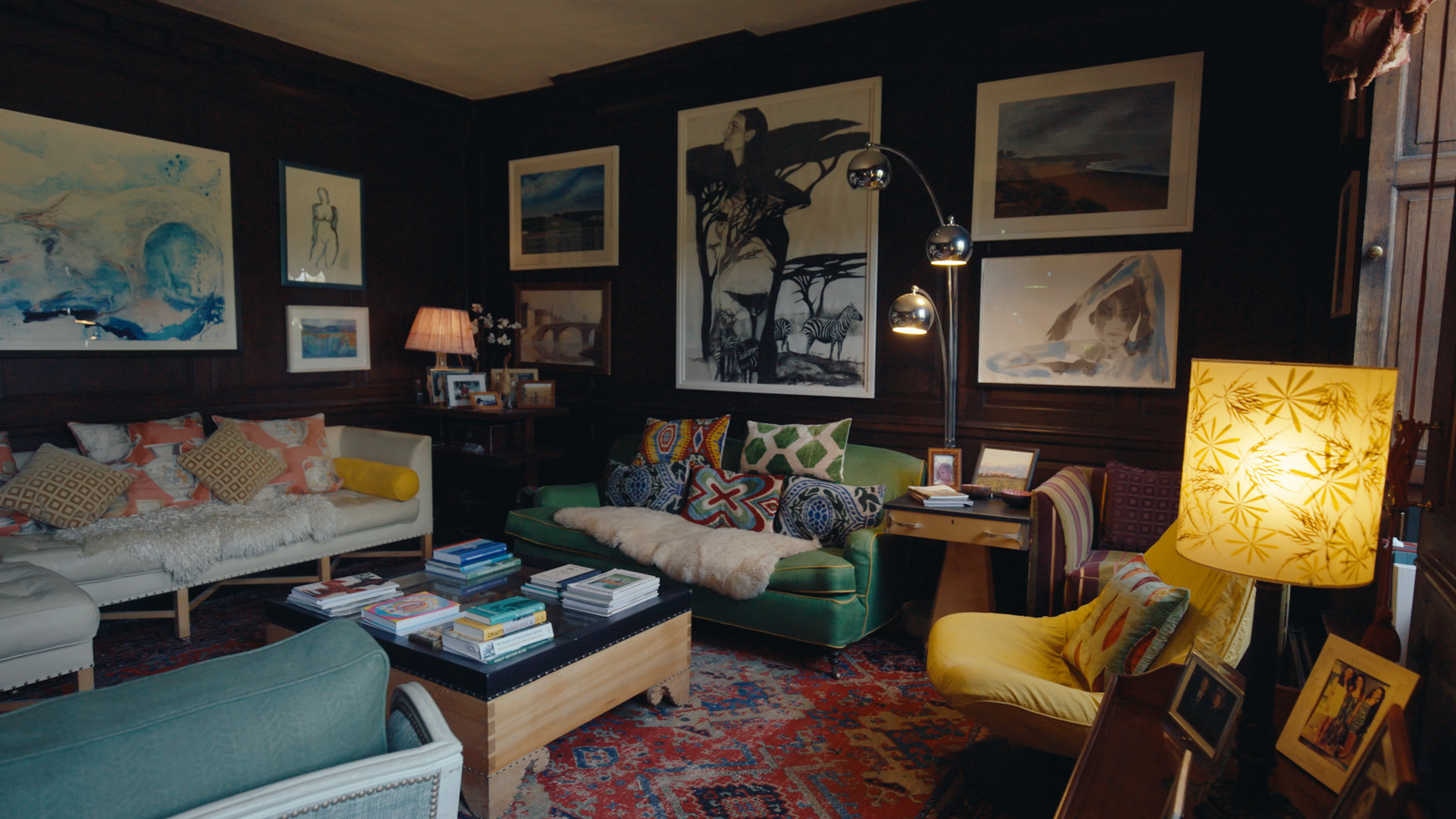
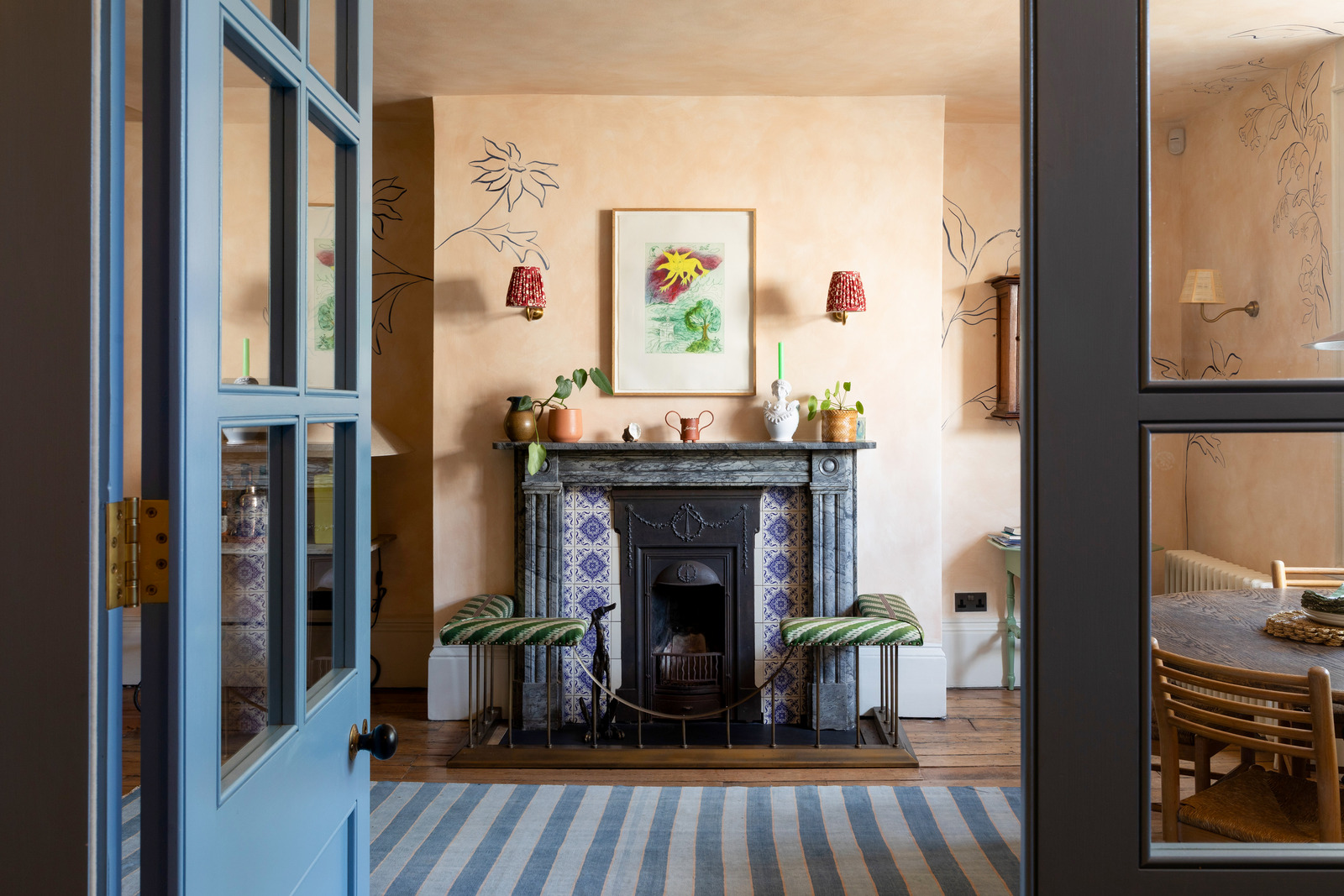
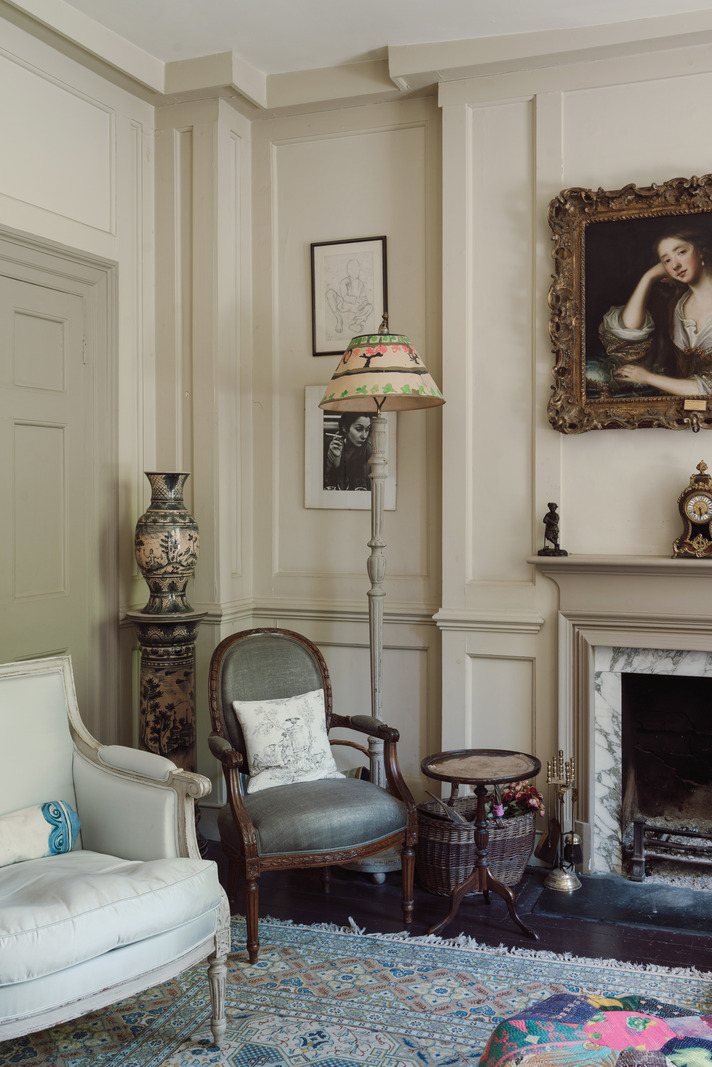
The panelled drawing room lies directly ahead of the hallway, a grand room some 30 ft wide and with four large windows framing verdant views to the rear. Pine floorboards are here and in most rooms on the upper storeys. Bolection fireplaces with marble slips lie at each end of the room, housing open working fires.
A library is set off the drawing room to the front of the house, through wedding doors. Within the south range at the other end of the staircase hall, and set above the carriage enclosure below, there is a bipartite space consisting of two connected rooms; these are currently used as an art studio and study, though could also be used as a bedroom and separate dressing room/study, if required.
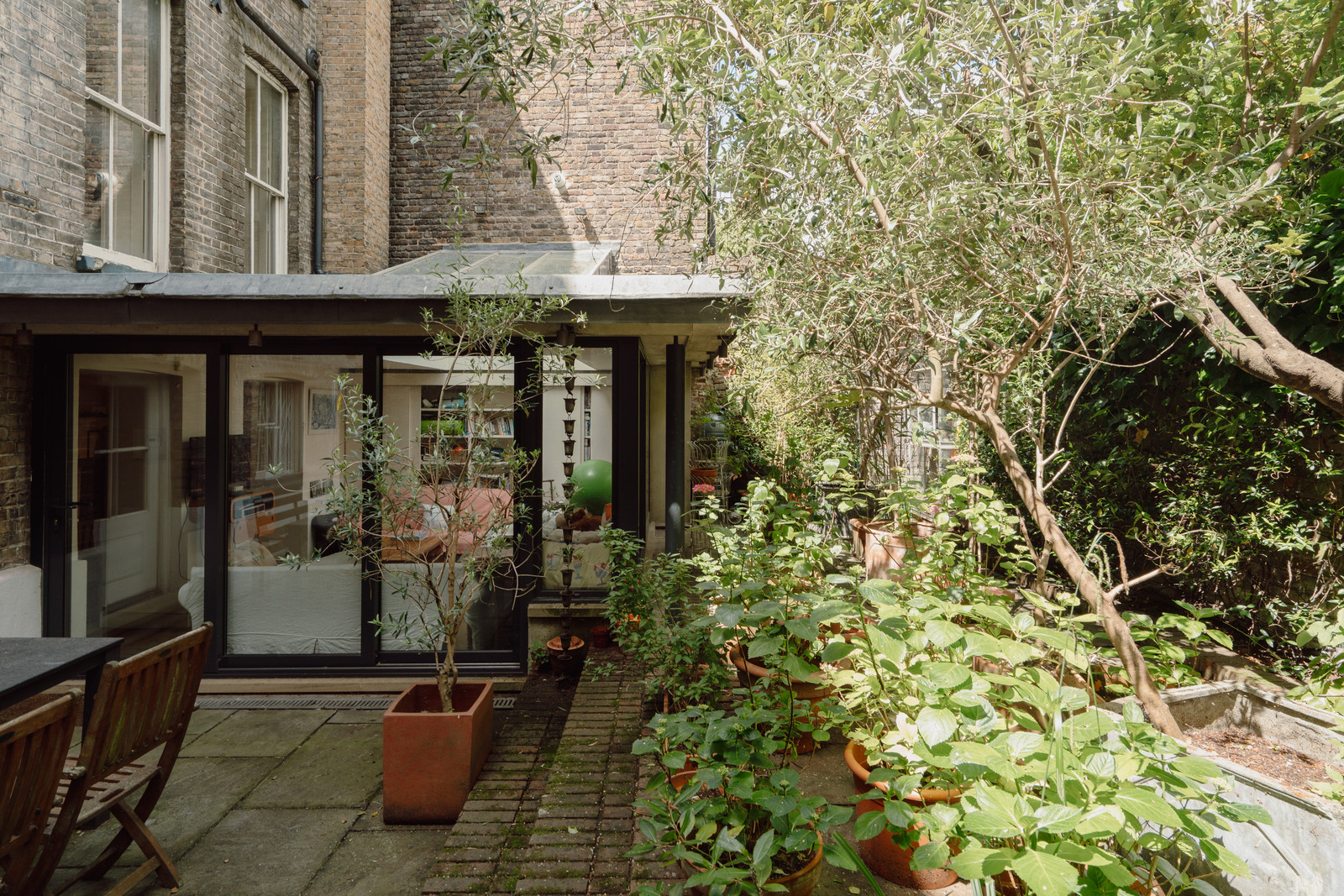
The lower-ground floor comprises the original service areas and has its own entrance hall with exterior access from the front garden; there is also further access to the rear garden at the end of the hallway. The kitchen is a large, open space, with panelled cupboards set below durable quartz worktops and incorporating a fitted dresser along one wall. There is a cream three-oven Aga and a separate Falcon range cooker, while off the service hall is a separate larder and a utility room. A contemporary addition to the rear of the kitchen is used as an informal sitting room and is mainly glass-framed with a roof light set above in the monopitch roof. French windows open to the rear garden, bringing the outside in.
The open-well staircase rises to the first floor and sleeping quarters, with the principal bedroom suite set to the rear of the plan. The bedroom looks east through large tripartite sash windows, with a separate dressing room-cum-additional bedroom. The en suite bathroom has an open shower area and chrome-plated brassware from Aston Matthews. In the south range, there is an additional bedroom, with entry through its own en suite bathroom. The uppermost storey has two further generous bedrooms set among the eaves.
The Great Outdoors
The walled garden is incredibly private and opens from the lower-ground sitting room, with additional side access. It is mainly formed of a spacious flagstone terrace set on two levels, with plenty of space for outdoor dining and seating areas. Planting is mainly structured around the rear of the garden and includes fuchsia and birch trees, as well as further evergreen shrubs.
Out and About
Stepney Green and nearby Whitechapel are an incredibly vibrant and centrally located part of east London. A short walk or cycle from both the River Thames and the City, the area offers excellent local amenities.
The historic buildings on nearby Whitechapel Road have been extensively and sensitively restored in recent years in consultation with Historic England, presenting a multifarious union of the finest late 19th-century commercial architecture. The original Royal London Hospital building and its façade have been restored for use as Tower Hamlets’ new town hall.
The green open spaces of Mile End Park, Limehouse Basin, Victoria Park (which provides access to the Regent’s Canal and has a weekly food market), Stepney Green Park and Stepney City Farm (with its weekly farmers’ market) and café are also a short walk away.
The famed Punjabi restaurant Tayyabs is a short walk away, as is the much-loved bakery Rinkoffs, along with several excellent coffee shops, including Aldgate Coffee House. The eclectic George Tavern is recommended for drinks and occasional music events on Jubilee Street, while the Whitechapel Gallery and independent Genesis cinema provide cultural distractions.
Nearby Spitalfields and Shoreditch offer further opportunities for dining, entertainment and shopping, with restaurants including Ottolenghi, Cecconi’s and St. John Bread & Wine. Spitalfields Market and the surrounding streets now offer shopping opportunities comparable to the West End.
Transport links are excellent; Whitechapel Underground station is a 10-minute walk away and runs Circle and Hammersmith and City line services, along with the Windrush Overground line. It also runs the Elizabeth line, which reaches Paddington in 14 minutes and Heathrow Airport in 38. Five minutes away, Stepney Green station is even closer and connects to both the District and Hammersmith and City lines. The house also lies just south of the Cycle Superhighway II on Mile End Road, a separate cycle lane directly connecting the City of London to the west and Stratford to the east.
Council Tax Band: F


 Related Stories