

History
Mornington Crescent lies on part of what was the Southampton Estate, land associated with Tottenhall Manor that had been given to the Earl of Arlington by Charles II. The Earl’s daughter married Henry Fitzroy, (Earl of Euston) in 1672, and their male descendants were later to became Lord Southampton. It was another Henry Fitzroy, the 5th Duke of Grafton who started leasing lands he owned to developers taking advantage of the growth of London, particularly around the Euston area. The crescent is named after Richard Colley Wellesley, Earl of Mornington, Governor-General of India and eldest brother of the Duke of Wellington. Lady Anne Wellesley, the only daughter of Richard Wellesley, 1st Earl of Mornington and sister of the Duke of Wellington married Henry Fitzroy, son of the first Baron Southampton. Fitzroy died young, so Mornington Crescent was named after Lady Anne’s family link.
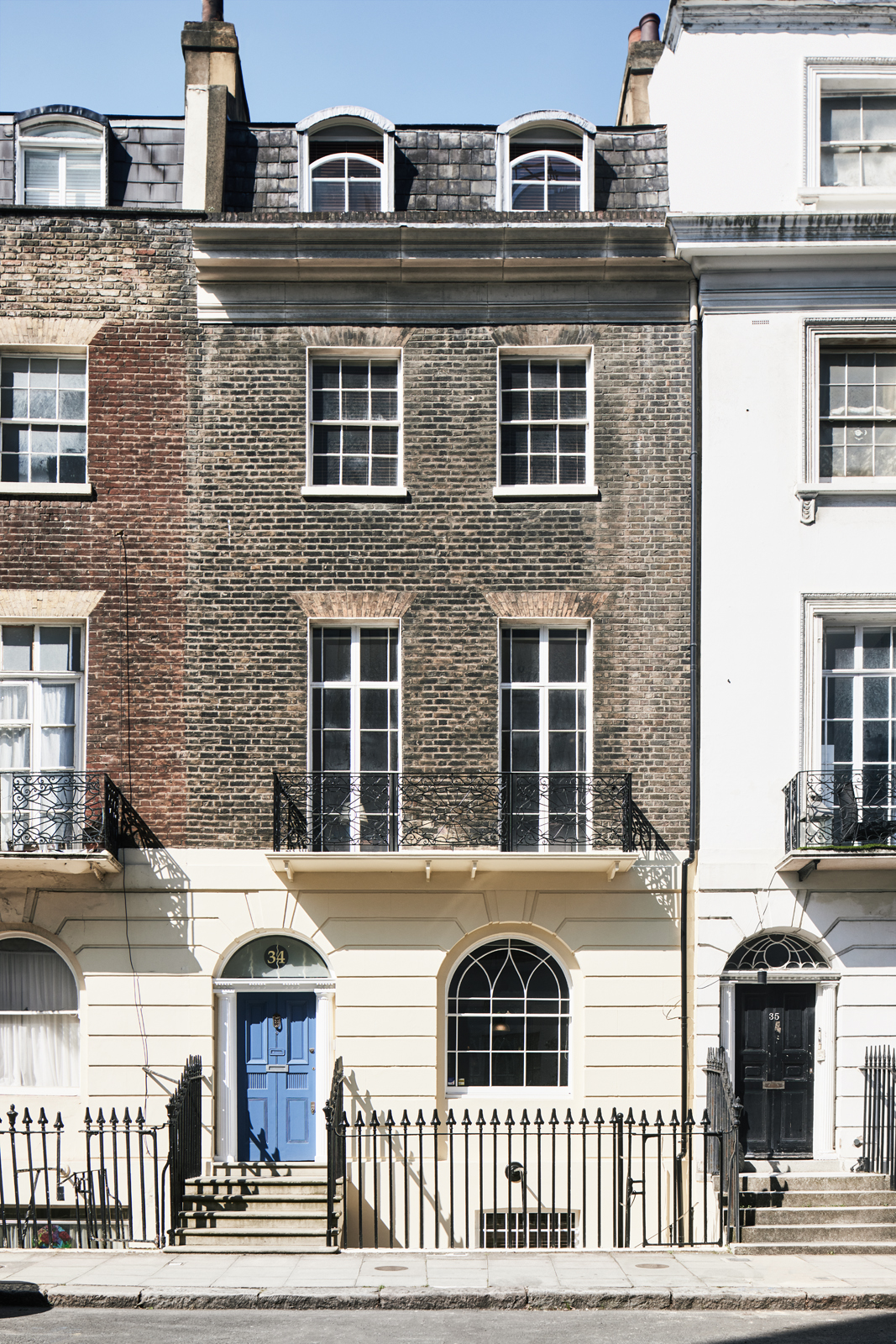
Construction of the crescent started in 1820, with the first houses completed a year later, and fully completed in 1832. It was laid out as a grand crescent comprised of three curved terraces of Georgian houses around a private park facing Hampstead Road, now occupied by the original building of cigarette company Carreras Ltd, though with views across open country to both the front and rear initially.
The crescent appears first in the rate books in 1821, with one entry and a note by the collector to “leave room for 30 houses.” In 1823 Nos. 3, 5 and 7 were occupied, but it was not until 1832 that the full complement of thirty-six houses were completed and inhabited.
Defining the east of the crescent is the forementioned and famed Carreras building, also known as Greater London House, opening to the west side of Hampstead Road and the rear to the fore of Mornington Crescent. Built as the Carreras Tobacco Factory in 1926 to the designs of M & O Collins, its extravagant exterior is said to have been inspired by the Egyptian temple of the cat-goddess Bubastis, with Egyptology being very fashionable at the time. After some years of decline after the war, it was converted in 1998 to offices. Many important architectural features were reinstated, including the flamboyant Egyptian giant order and two gigantic bronze cats flanking the entrance.
Slightly earlier in the 20th century, Mornington Crescent underground station was built, in 1907, in Leslie B Green’s distinctive house style for his Northern Line stations. It has oxblood glazed tiles and bold arches incorporating a mezzanine office floor. Mornington Crescent station is complete and undamaged (and recently restored), hence the deserved Grade II-listing.
Except for Cheyne Walk, few London streets have rivalled Mornington Crescent as a creative hotbed. Among its former residents are the artists Spencer Gore, Clarkson Stanfield and Walter Sickert, who was living here when he founded the post-impressionist Camden Town Group in 1911. Frank Auerbach’s 1973 painting ‘Looking Towards Mornington Crescent Station – Night’ hangs in the Graves art gallery, Sheffield, and indeed the now 92-year-old Auerbach still paints in the area, being a local resident. Sickert lived at No 6, while Spencer Gore had lodgings in No 31 on the Crescent and Harold Gilman, another of the Camden Town Group, lived nearby in Cumberland Market.
Over the years, Sickert ran several painting schools in the area, which drew in other artists. There were links with the Bloomsbury Group through Vanessa Bell and Duncan Grant, who both painted with them. The artists varied in their subjects and palettes, but they exhibited together and became a very influential group; Mornington Crescent Gardens were the subject of several paintings and drawings.
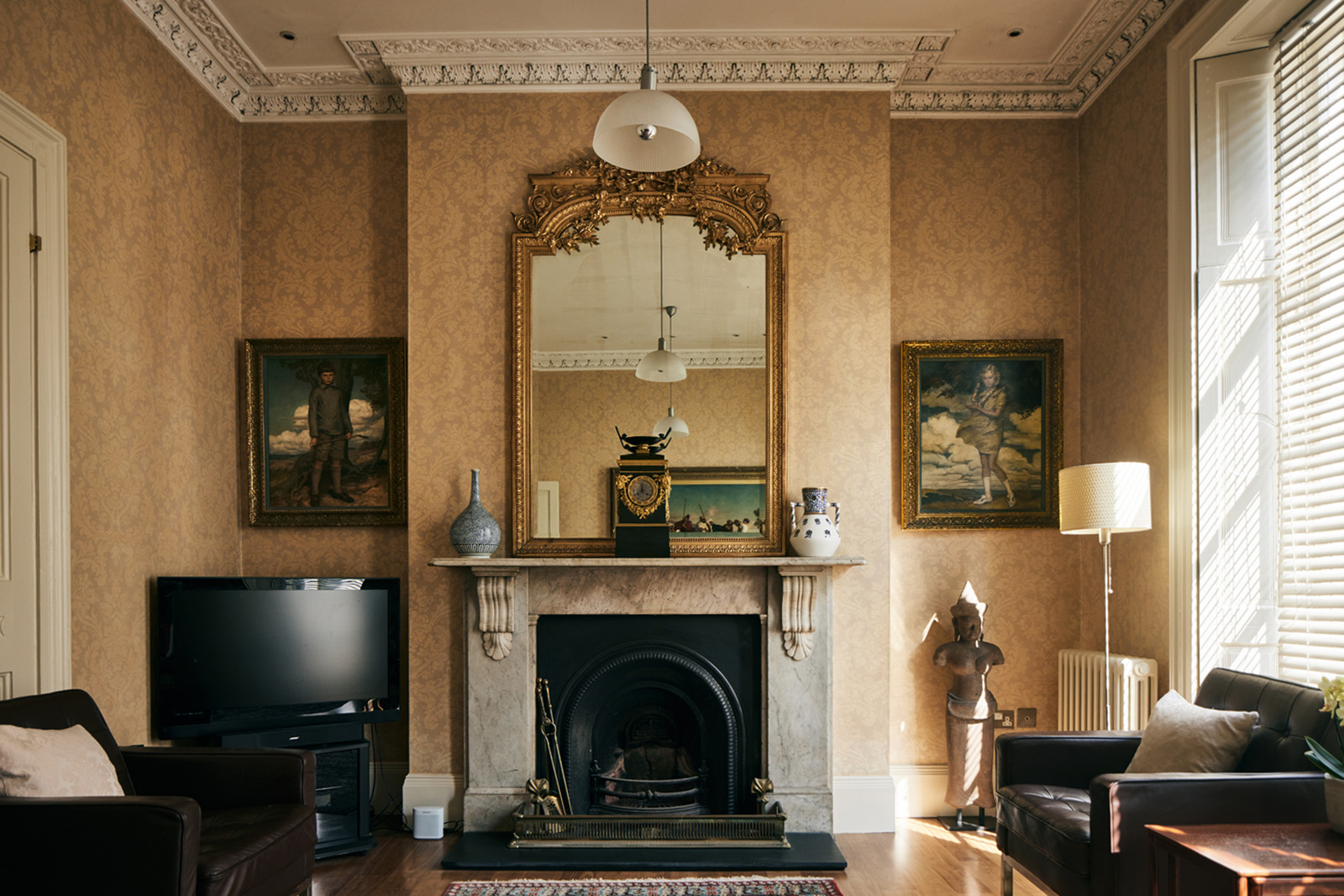
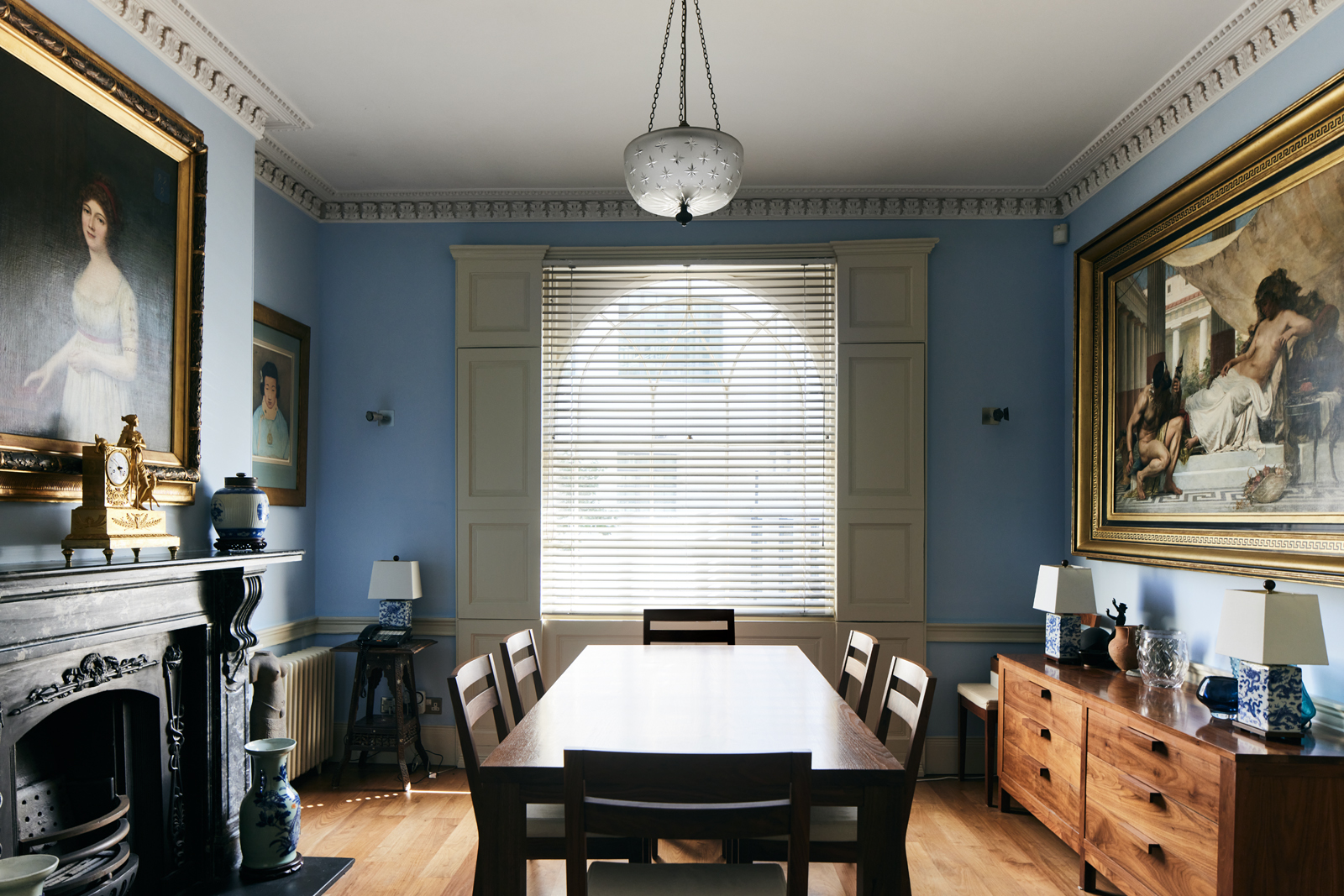
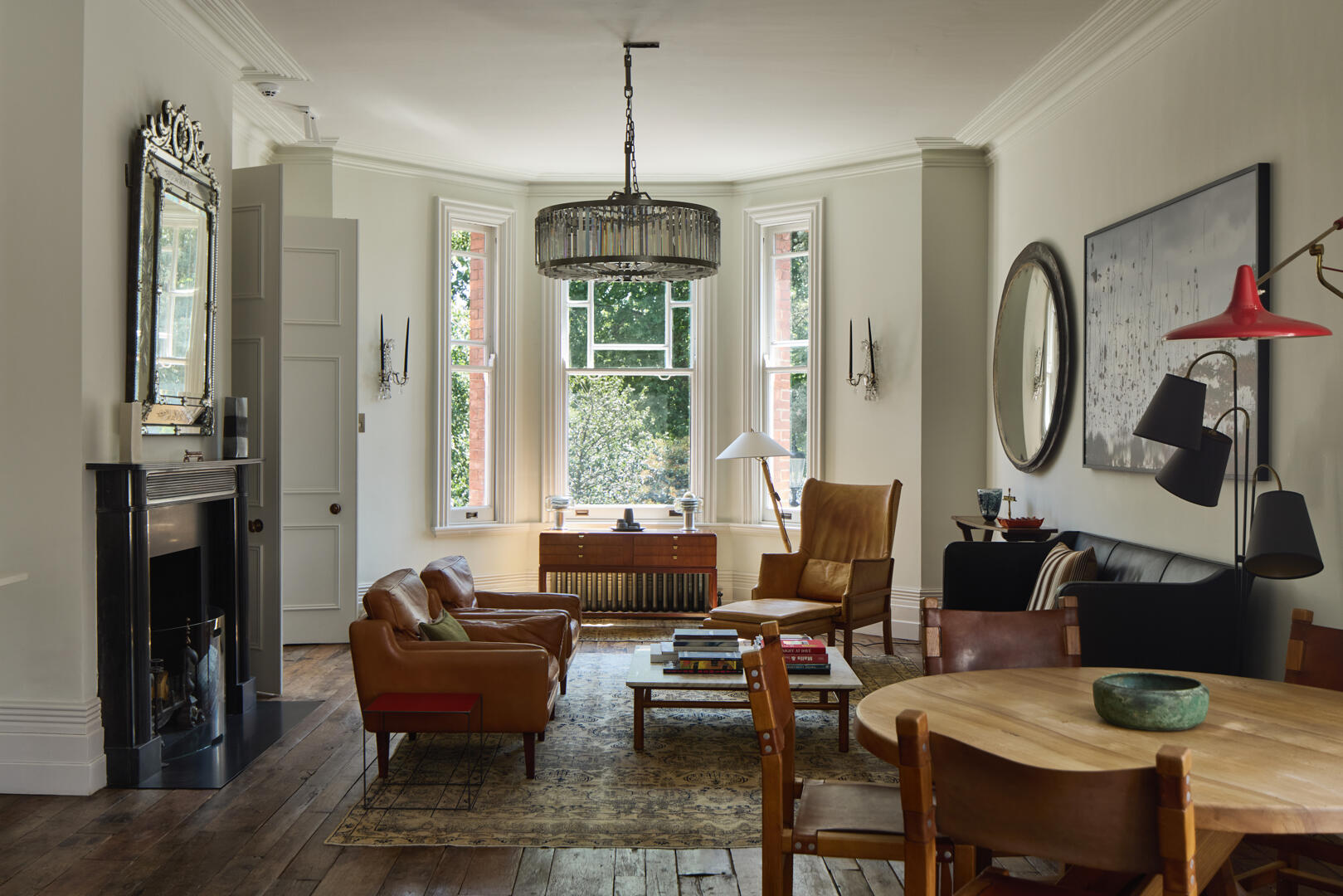
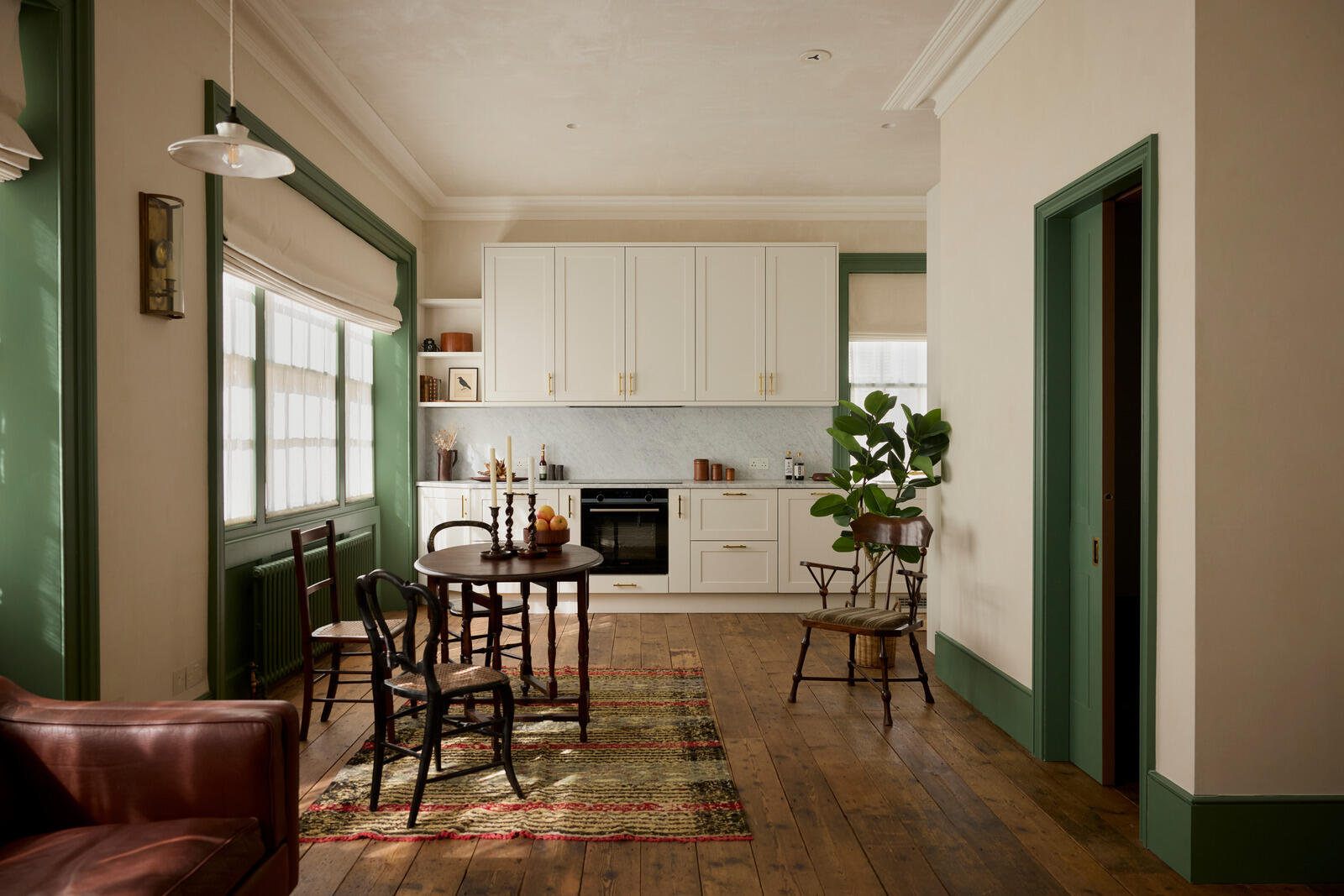
Artist Harden Sidney Melville lived in this exact house for several years and documented the formation of Australia in 19th Century. Two original oil paintings by the artist are included in the sale of the home. Harden Sidney Melville (1824–1894) was an English painter, illustrator, and draughtsman. He received a medal from the Society of Arts and had three paintings hung in the Royal Academy’s show between 1837 and 1841. He conducted the first official hydrographic survey of the northeast coast of Australia in 1842–1846 on board the H.M.S Fly, which was under the command of Captain Francis Price Blackwood. He illustrated Curiosities of Savage Life by James Greenwood and several notable Australian works including Joseph Beete Jukes’s official narrative of Fly’s voyage and Ludwig Leichhardt’s Journal.
 Related Stories