


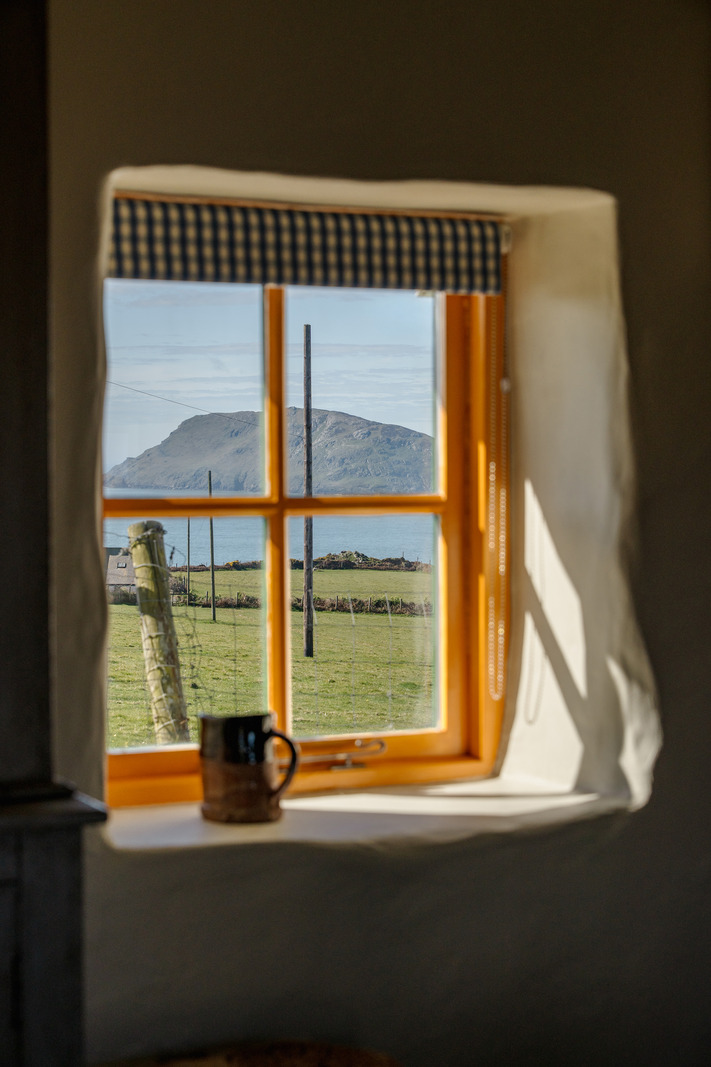
Land’s End, Finistere, Finisterra… There is something about these edge-places, named at a time when people thought they were standing on the very brink of the world, that has always called to those living at an angle to the ordinary – poets, mystics and pilgrims who sense that where the land runs out, something else begins …
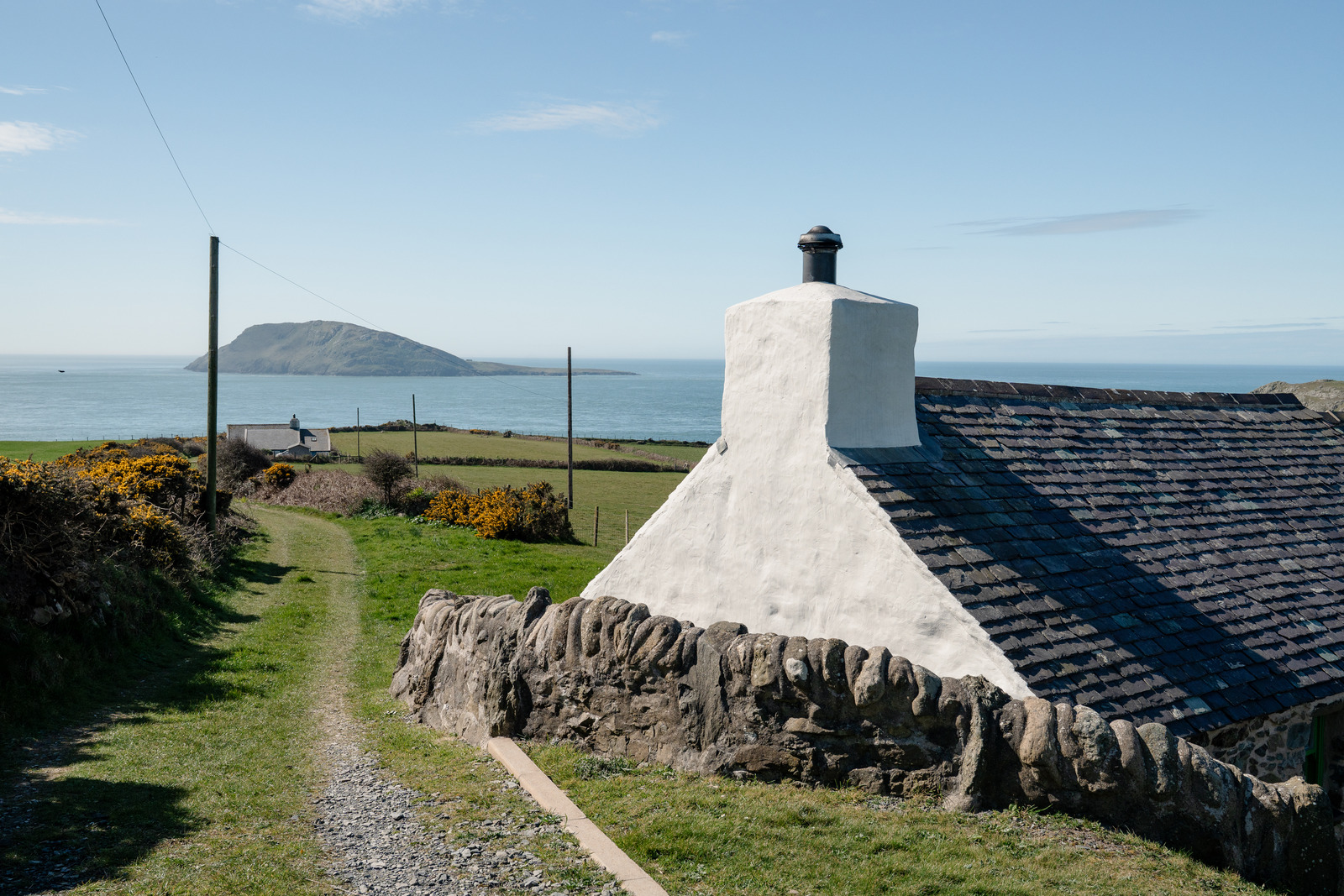
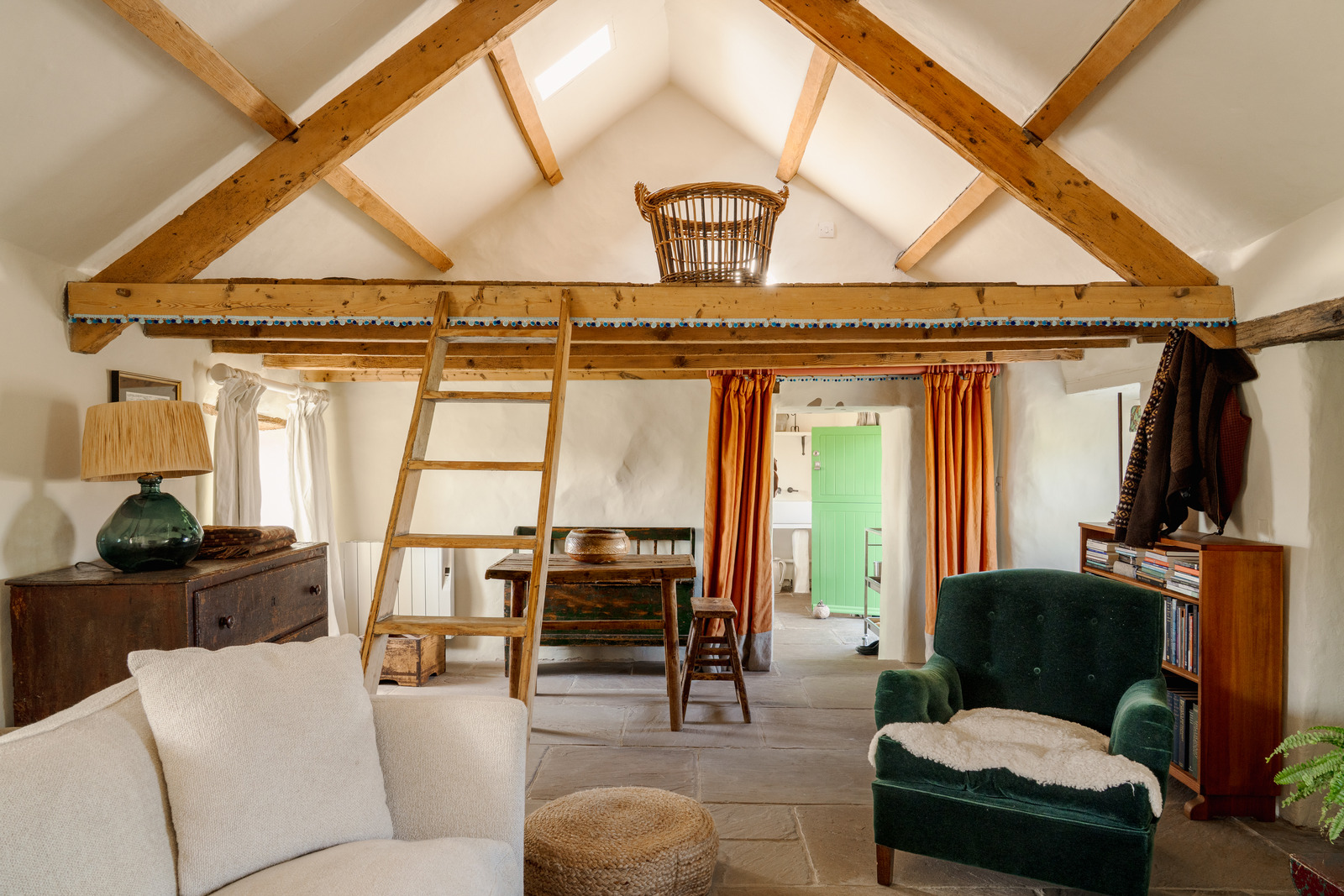
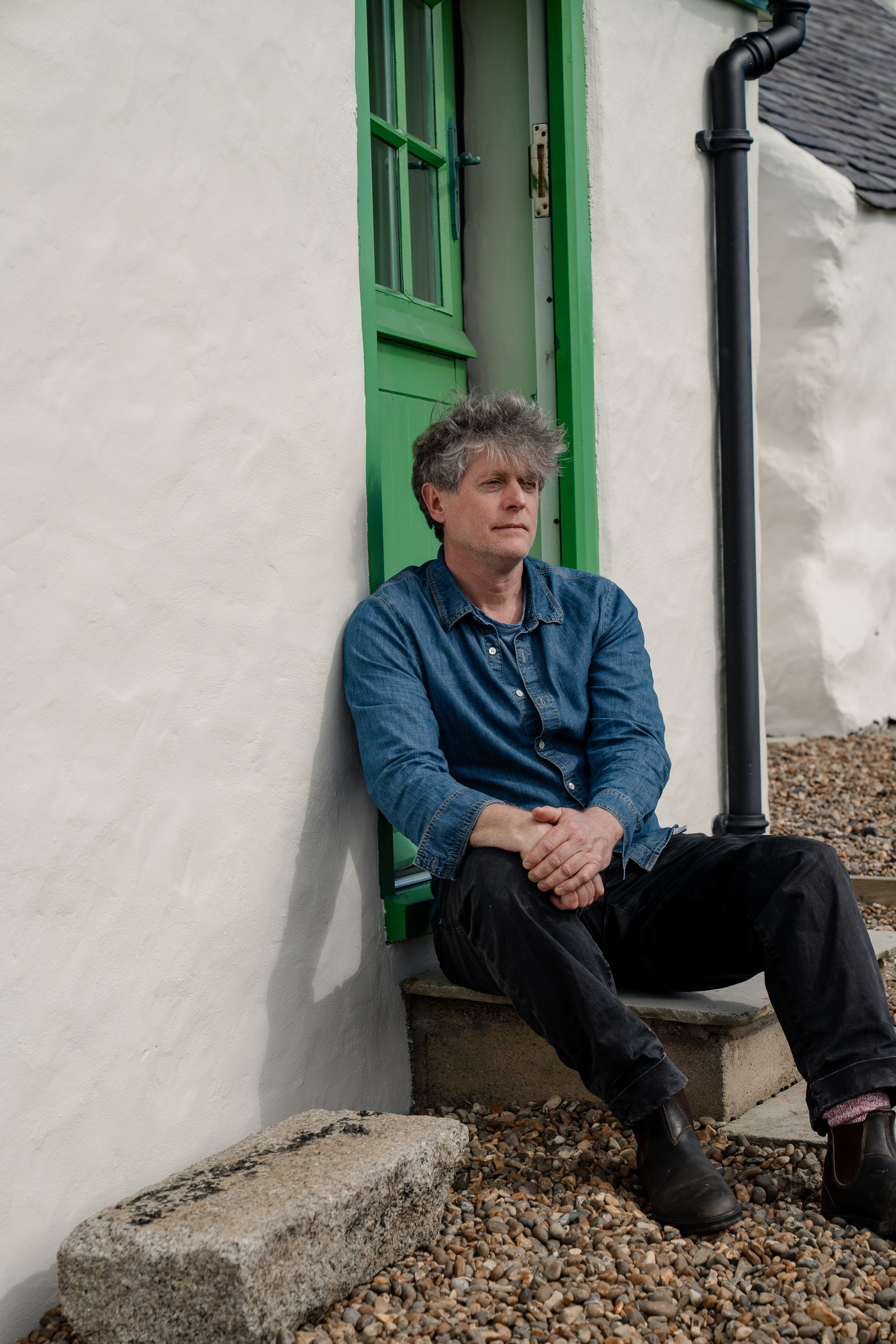
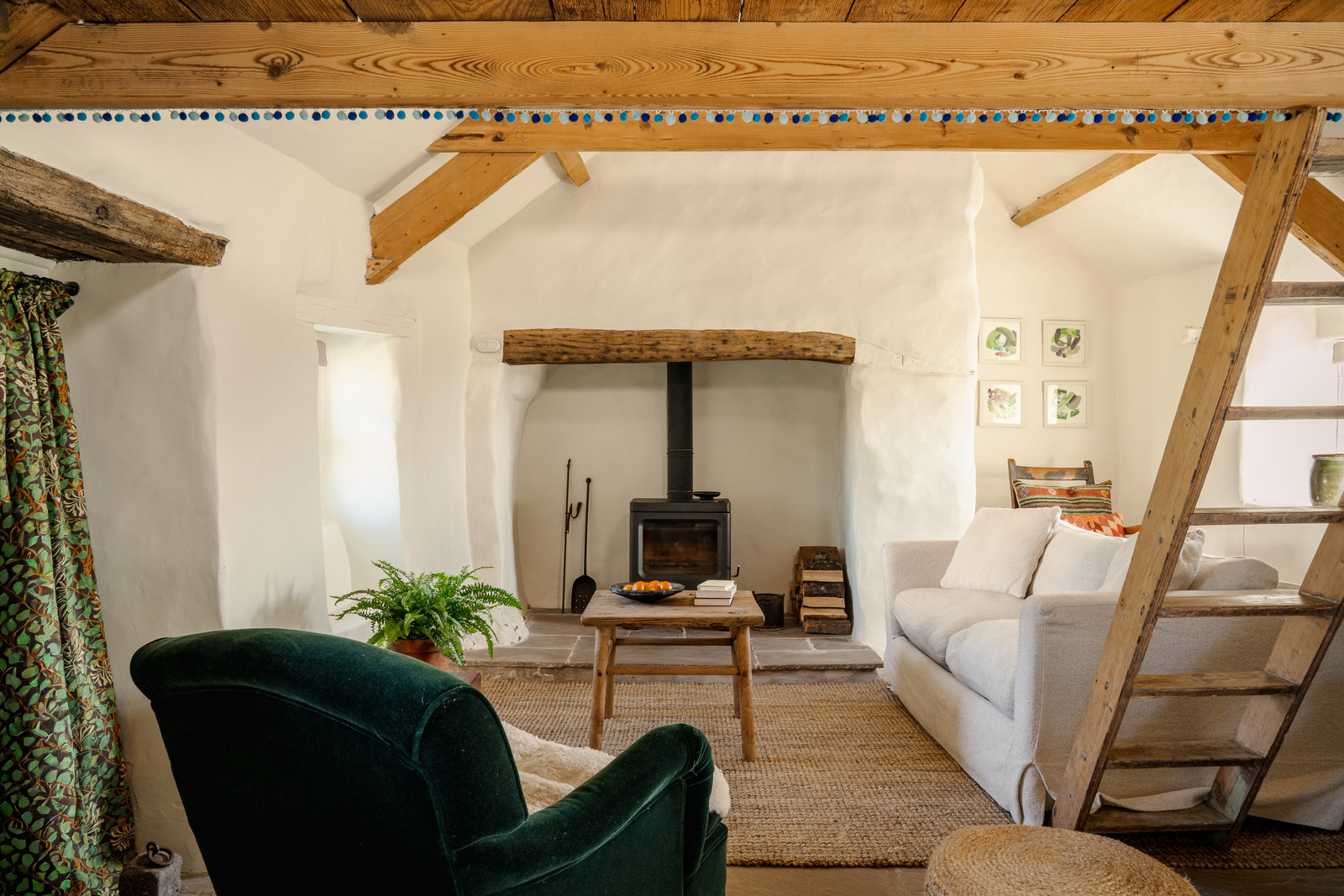
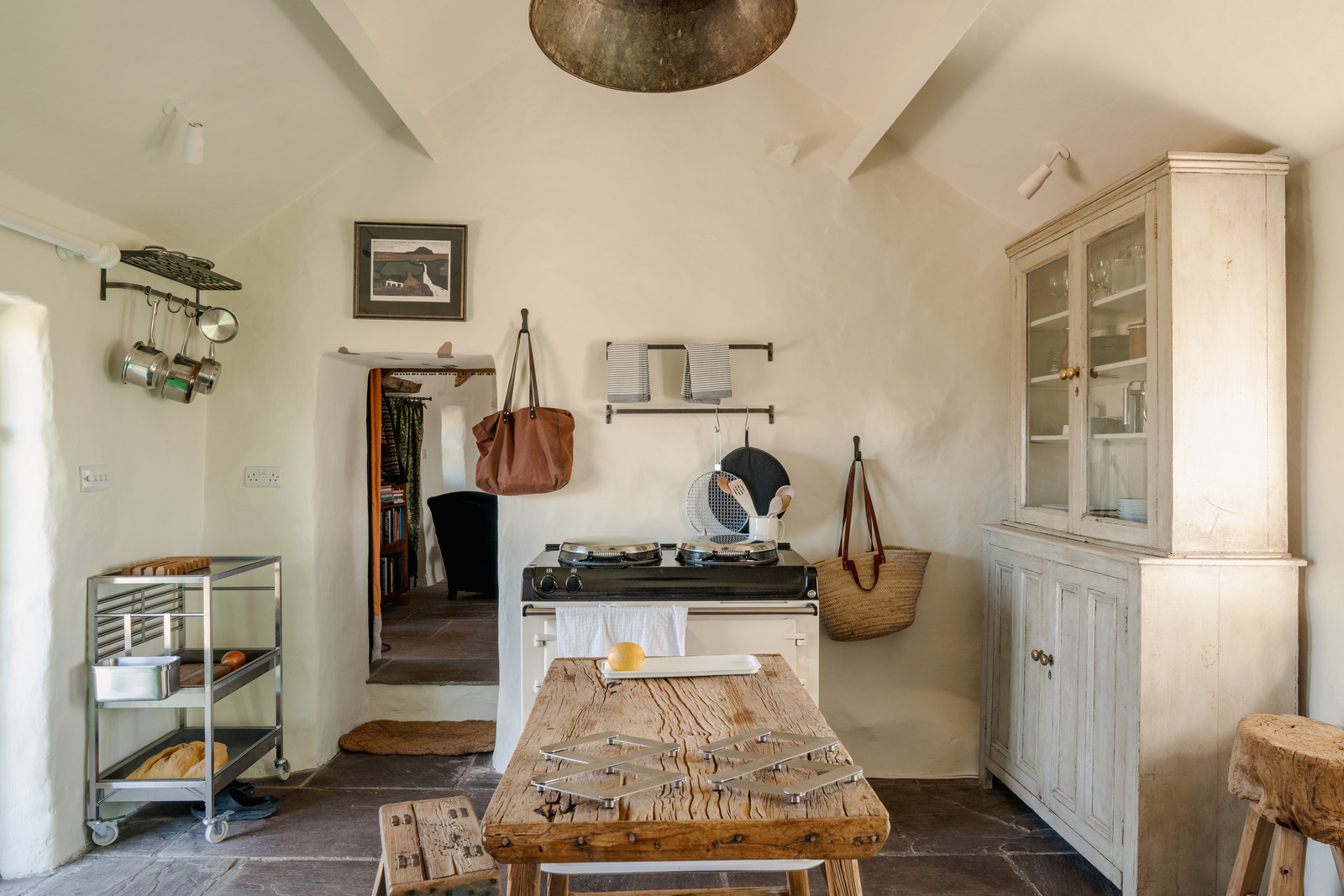
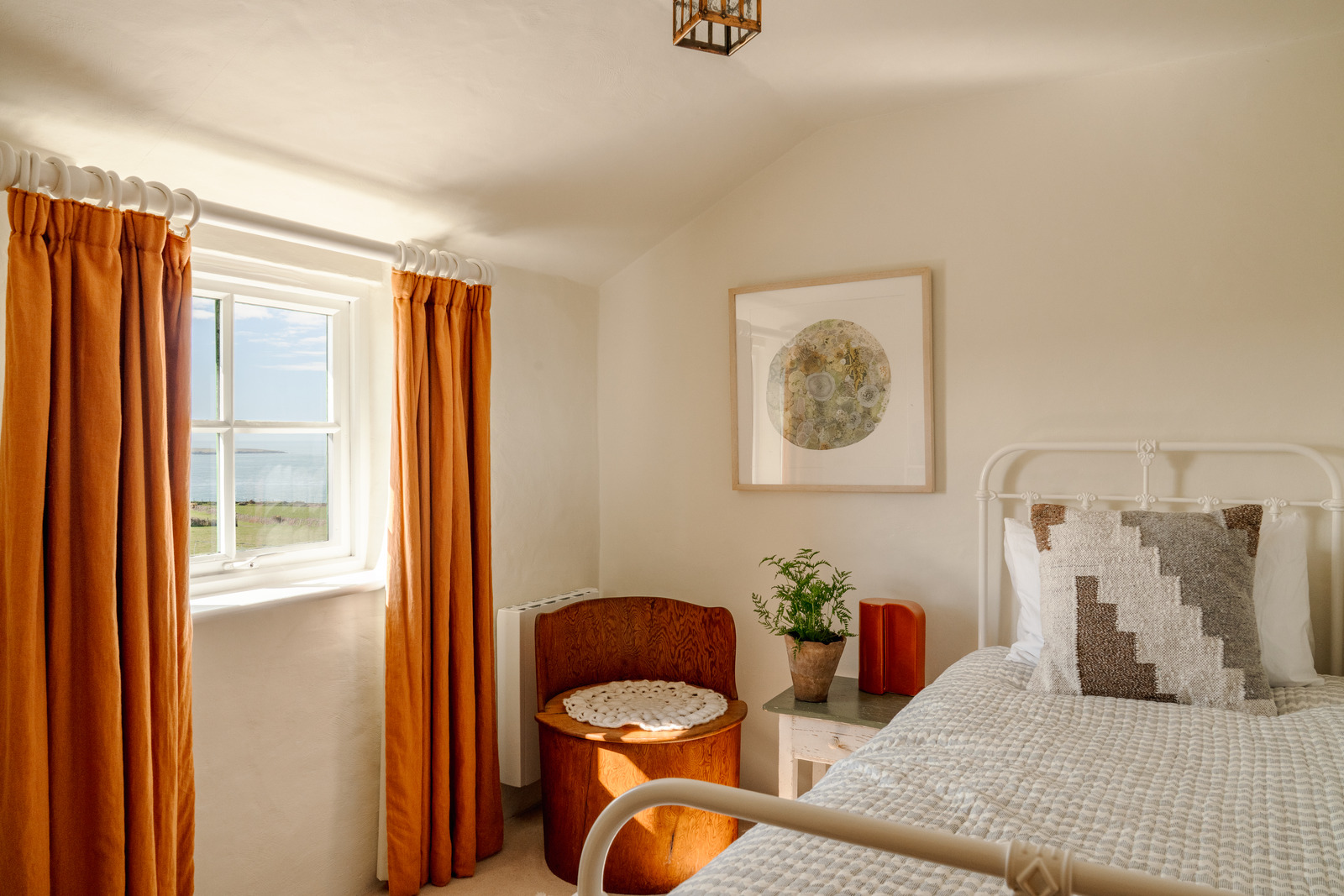
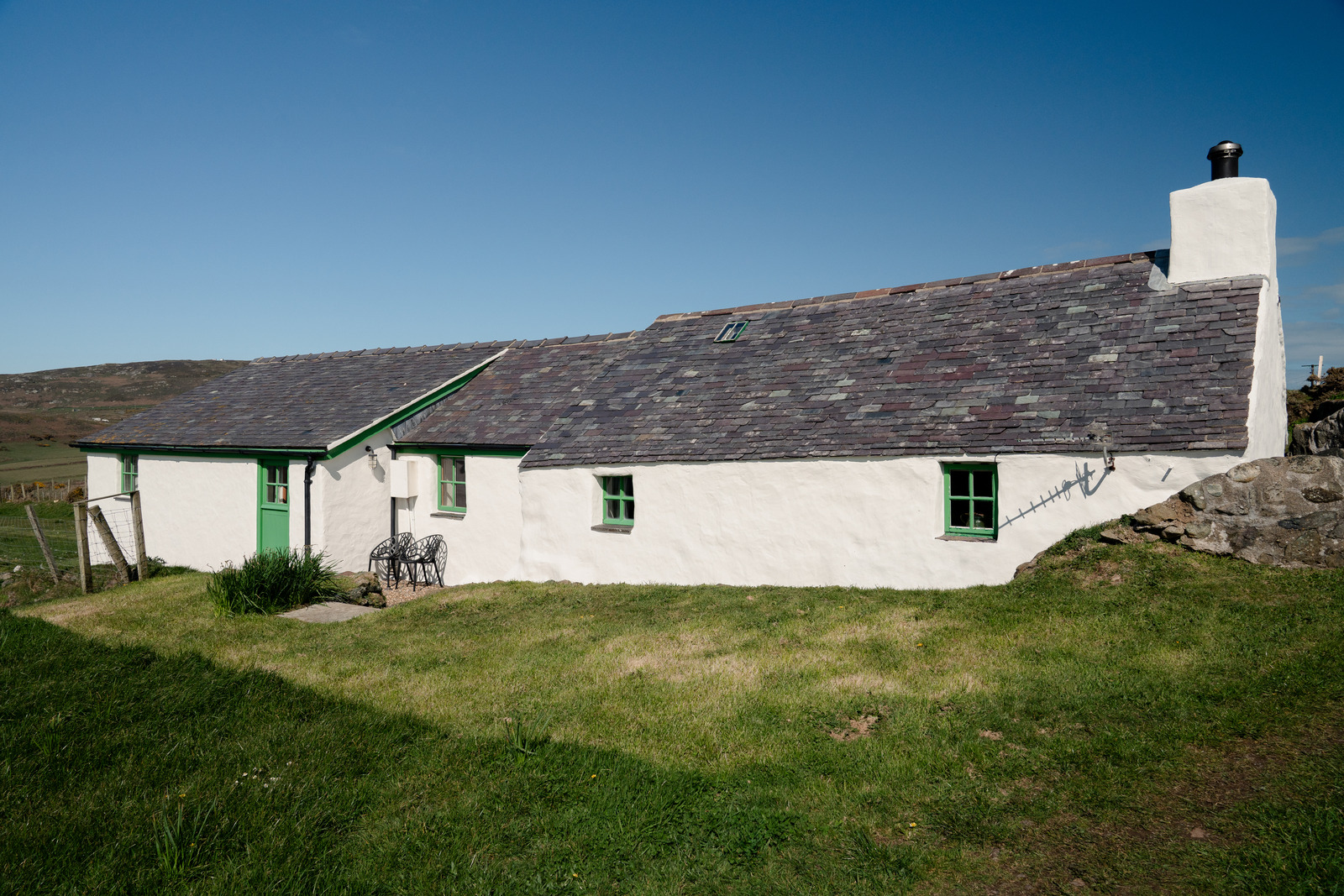
Sean Swallow is one such poet. His longhouse – Bryn Canaid, now on the market – is on the most south-westerly tip of the Llŷn peninsula in Gwynedd, north Wales, in a tiny hamlet named Uwchmynydd. This wild, cliff-cleft fingertip, Sean tells me, is a well-known “thin place,” a Celtic term that refers to those sites where the veil between this world and another begins to melt away. On a clear day, from here you can see Bardsey Island (or Ynys Enlli). An important pilgrimage site since the sixth century – it was said that three pilgrimages to sea-swept Bardsey were as good as one to Rome – it is known as ‘the island of 20,000 saints,’ for those rumoured to be buried there.
Sean, a garden designer by trade as well as a poet, moved here in part for this air of spirituality. “I am not religious,” he says, “but you cannot escape the atmosphere of places like this; I have heard people describe them as ‘blue-sky cathedrals’. You get fed by them.” Sean is not alone in this sentiment. The late priest-poet RS Thomas had his last ministry a few miles away; Verena Schiller, a celebrated Anglican hermit, was until recently a neighbour, as was the late Rev. Jim Cotter, first general secretary of the Lesbian and Gay Christian Movement and a friend of Sean’s, whose own work explores nature, often through a gay lens.