The Grand Tour
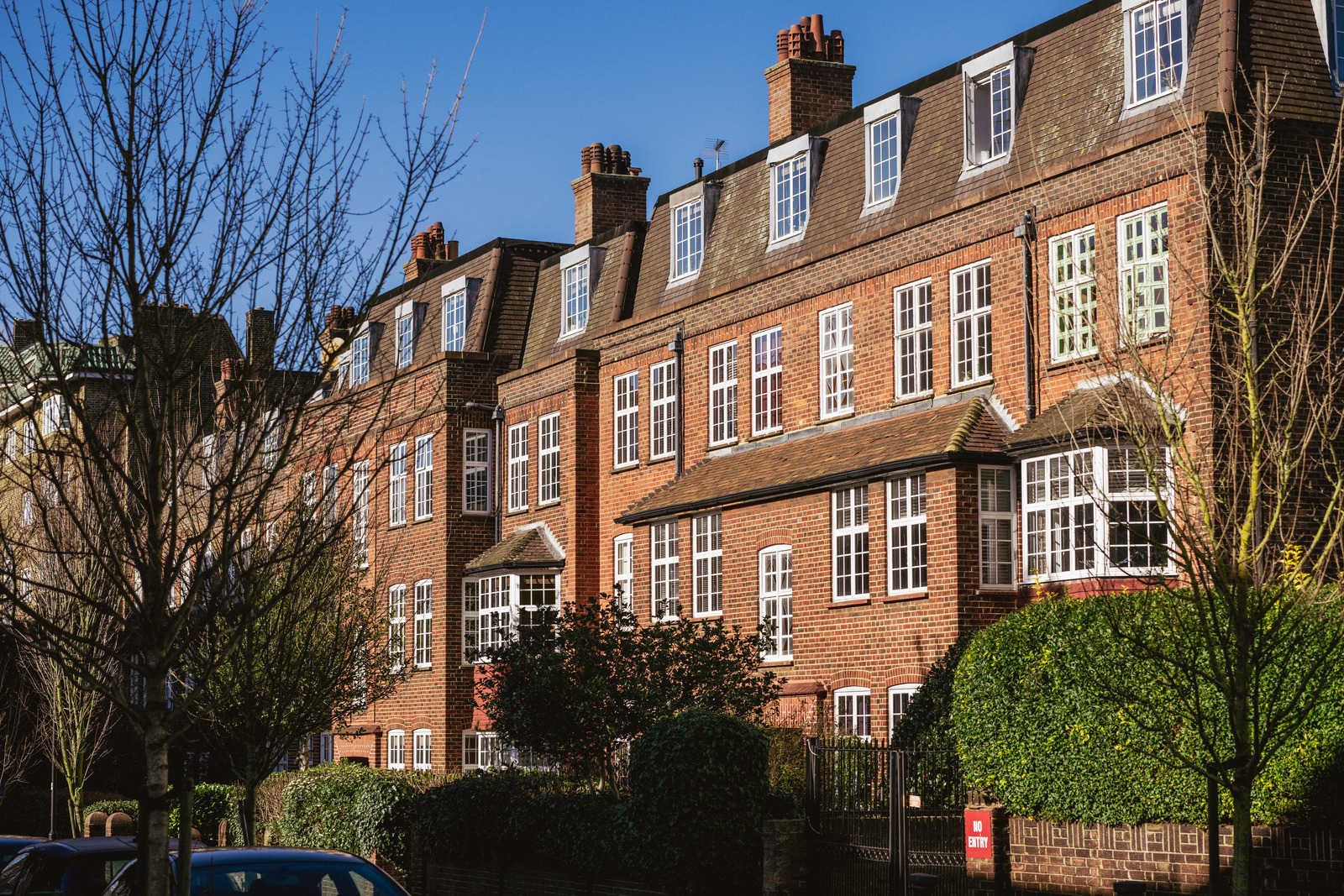
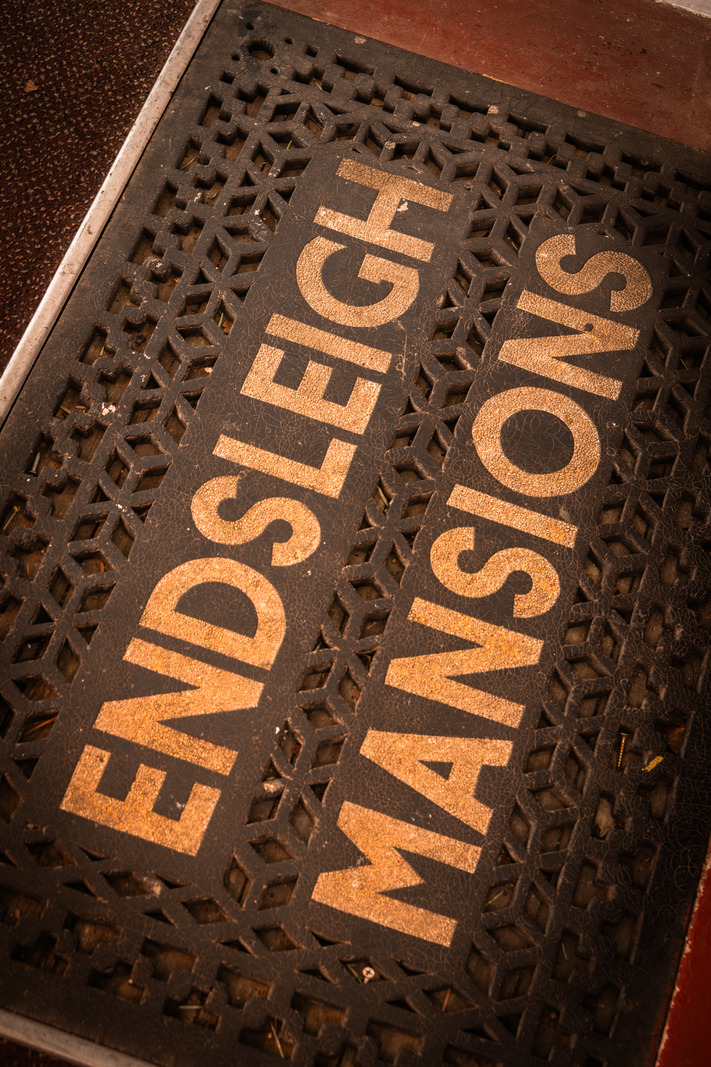
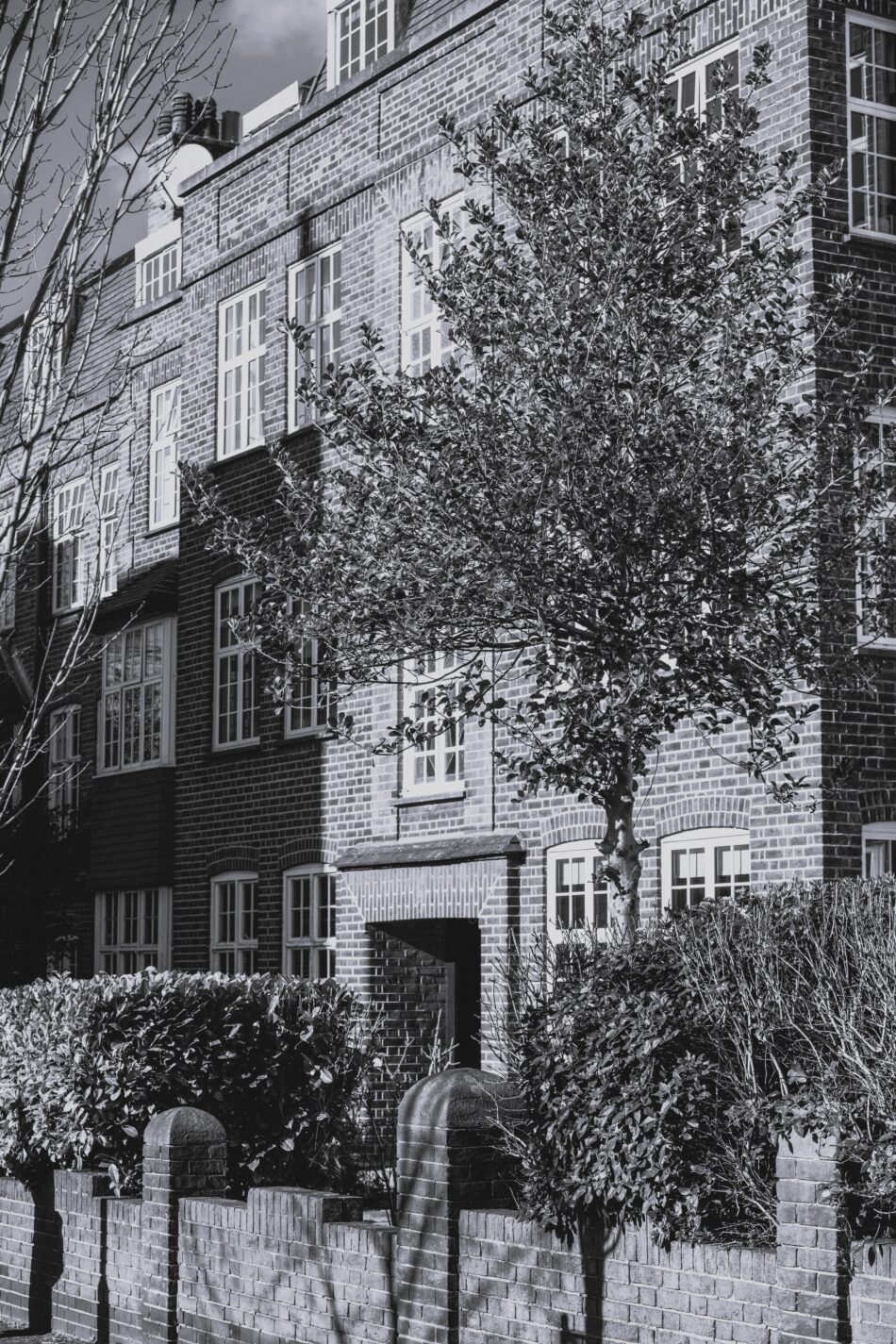
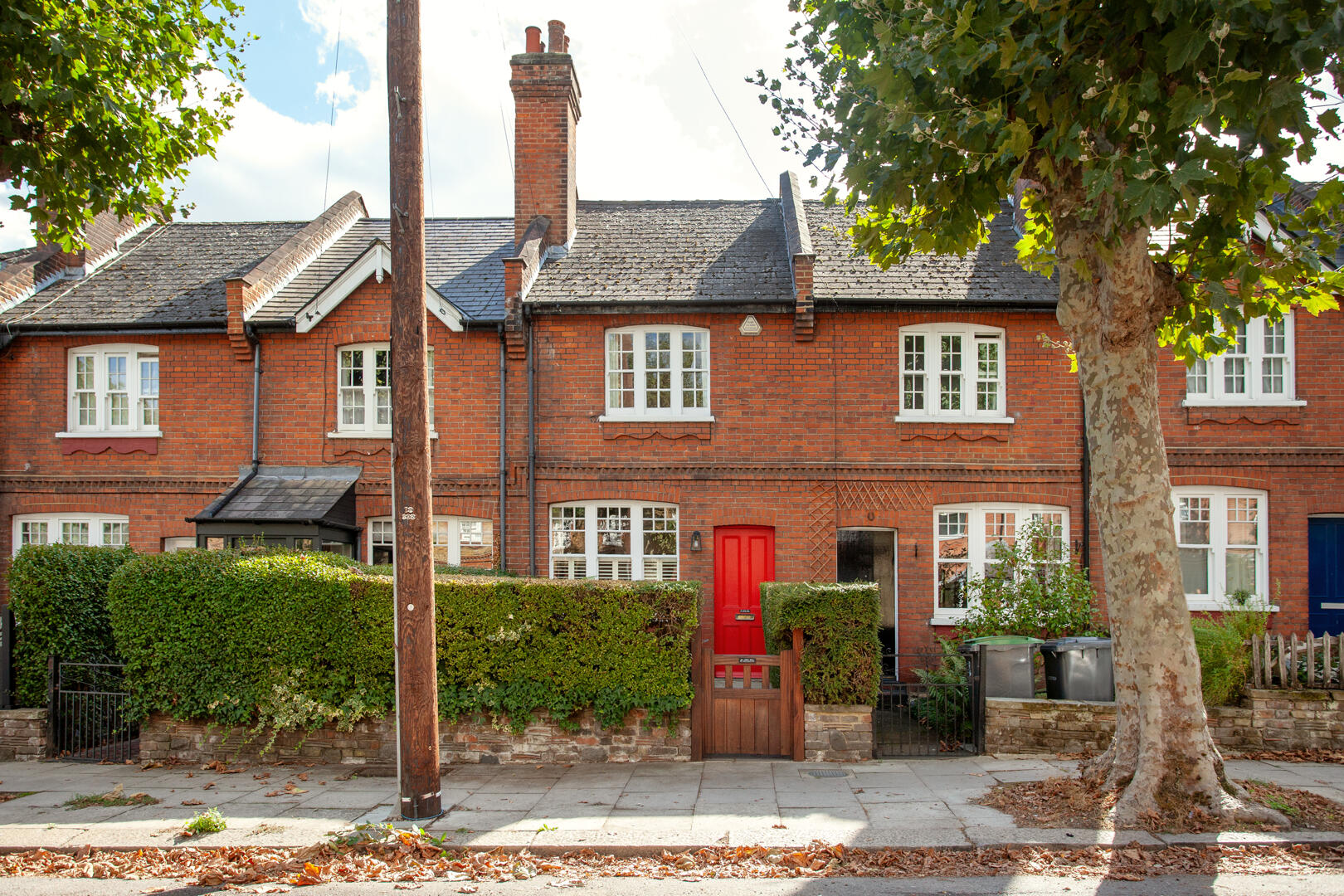
Smaller in scale than neighbouring apartment blocks at just four storeys high, the neat, red-brick block is defined by its original elegantly stylish front doors.
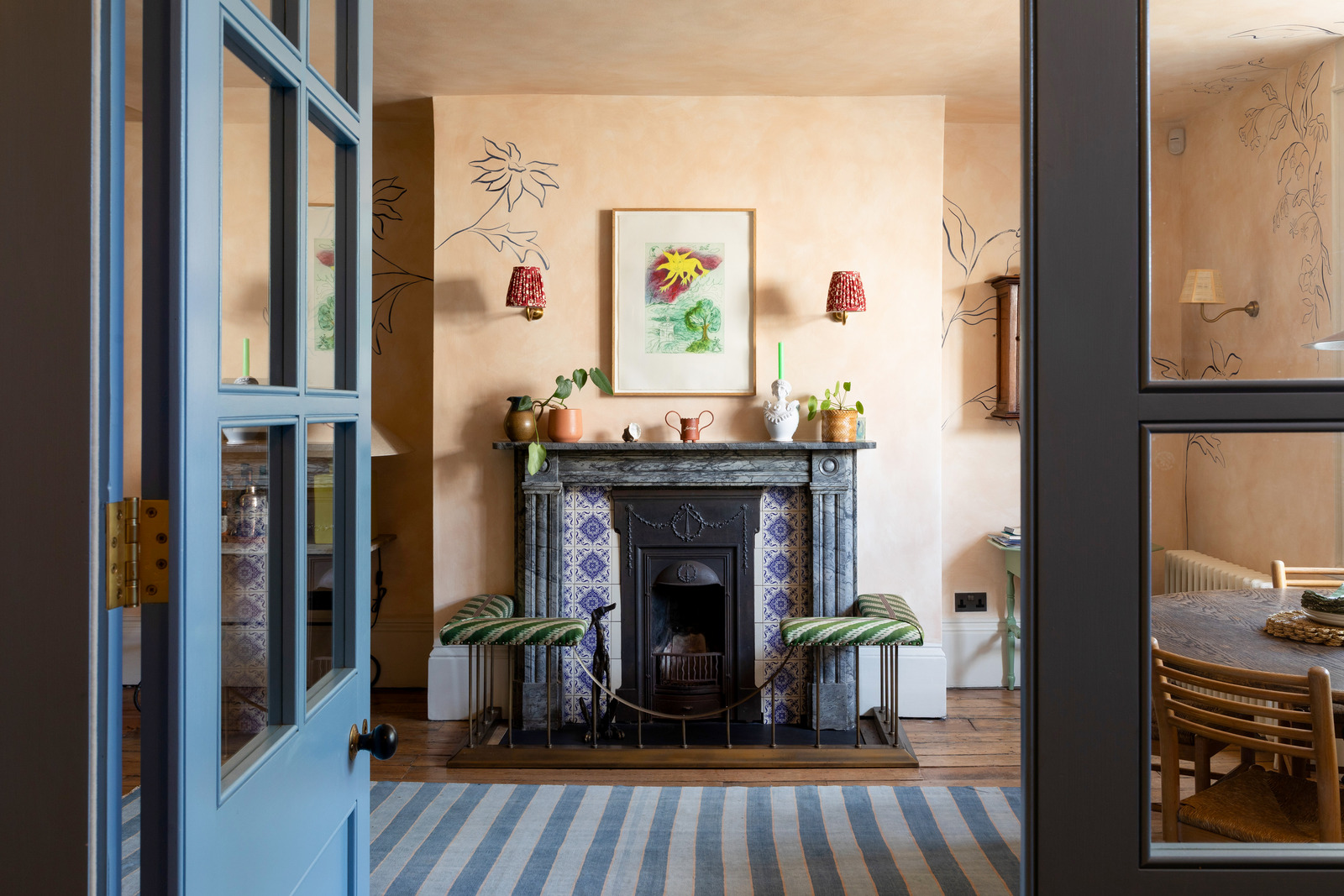
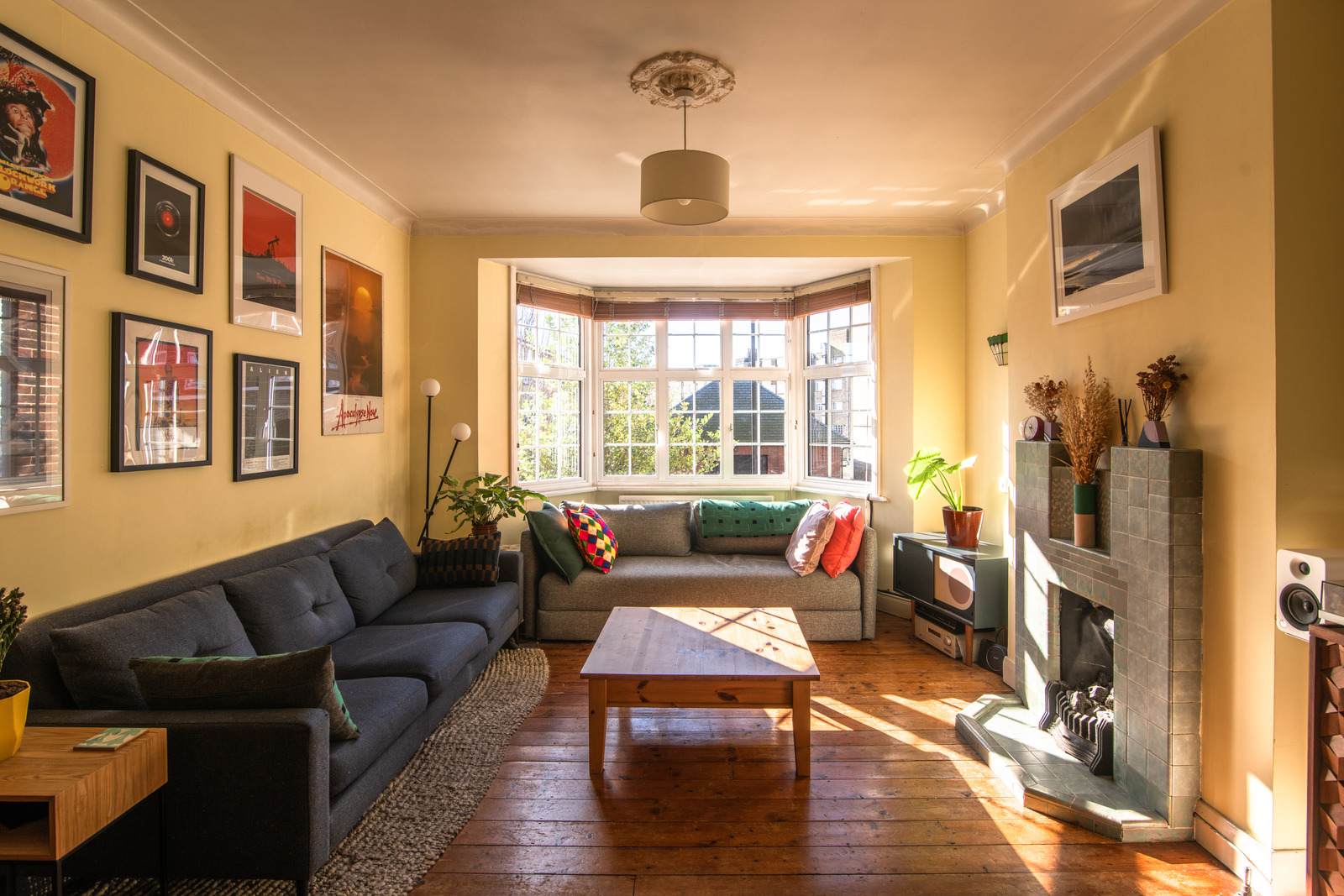
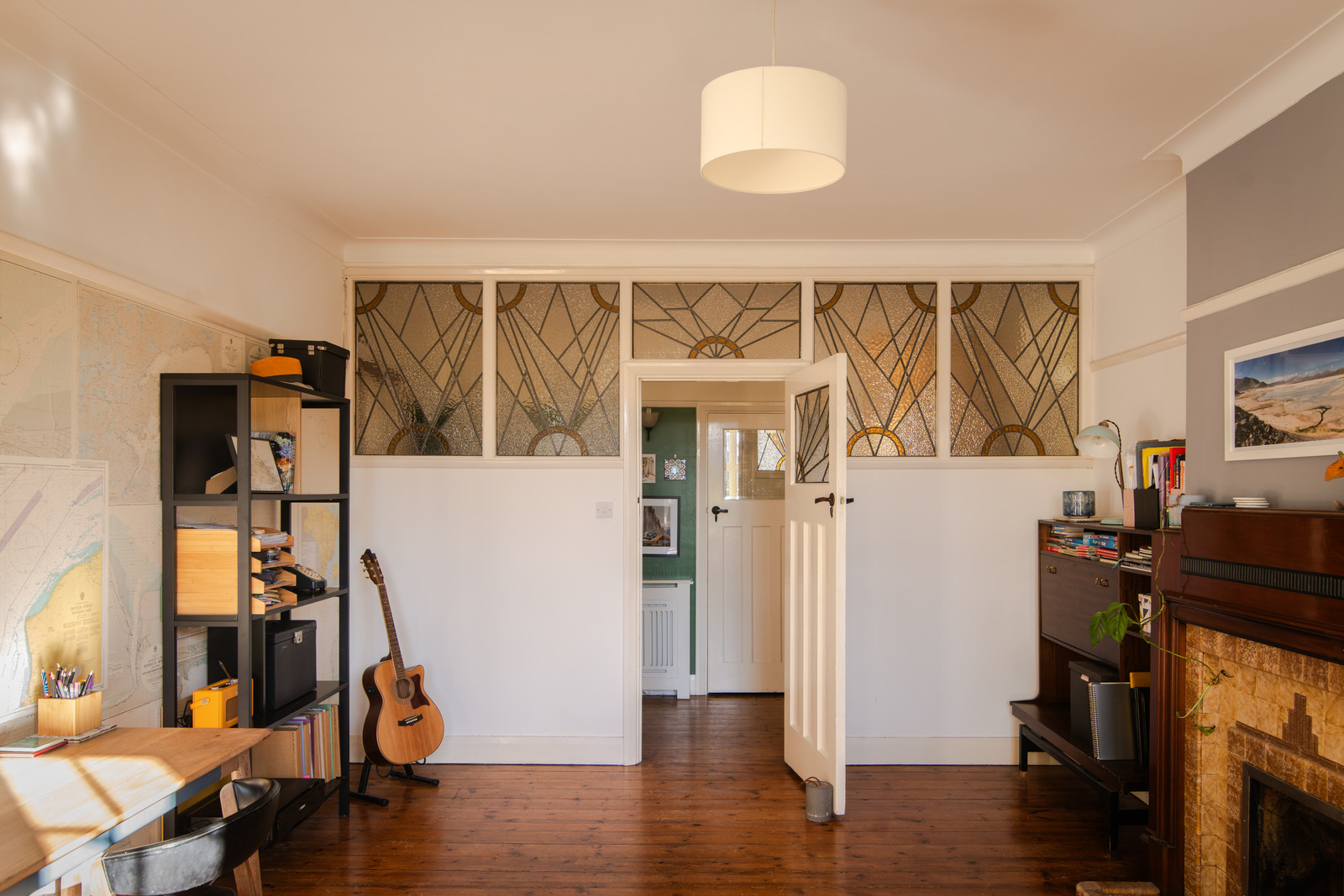
Inside the apartment, the living spaces are generously proportioned and are grounded by the original floorboards. Striking black and yellow ‘sunburst’ stained glass is a focal point upon entry, with light streaming through its panels to imbue the plan with an exquisite glow. An abundance of original details remain, including picture rails, internal doors and door furniture. High ceilings add to the wonderful sense of volume and original borrowed lights from the era present a cohesiveness to the overall design. In the living room, a wide bay window and fireplace are two dramatic focal points. The stepped, set-back design of the fireplace takes its influence from the simplistic designs of the Bauhaus movement. The expansive room provides plenty of space for a dining table, perfect for hosting dinner parties.
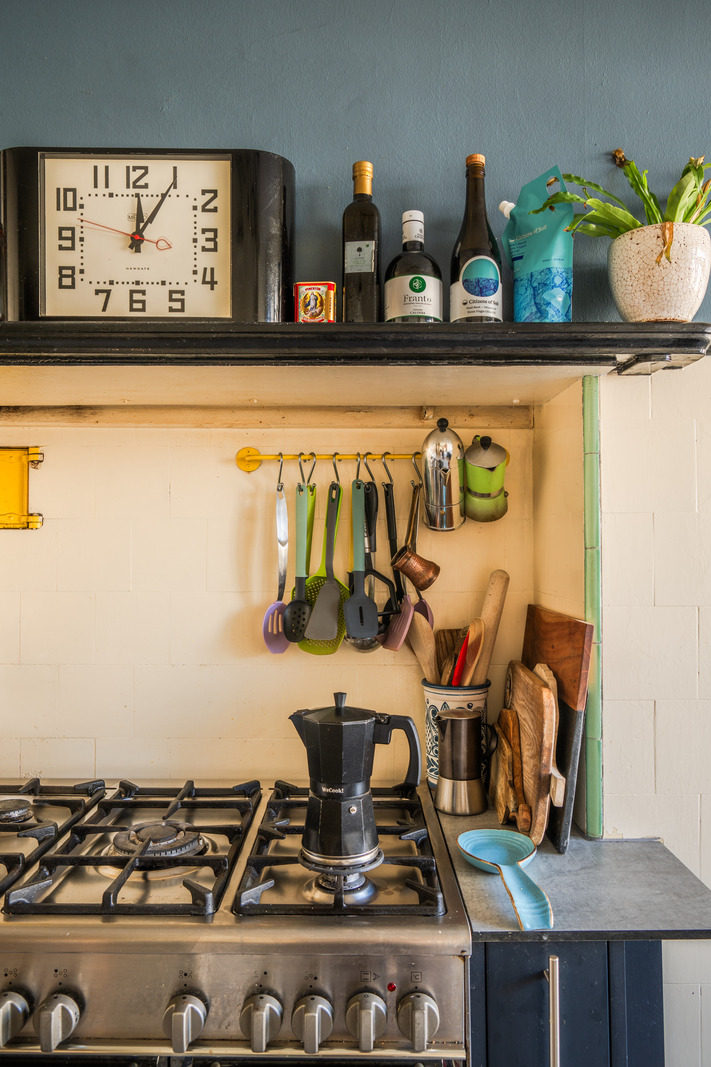
Several fantastic original features remain in the kitchen, including wall tiles, the range’s iron footing, a glass-fronted pantry and useful storage cupboards. Low-hung navy cabinetry has been paired with brightly coloured tiled flooring in keeping with the home’s 1930s origins.
Two unusually spacious bedrooms are distinct with their differing outlooks and magnificent fireplaces. The room at the front shares the hallway’s resplendent stained-glass glazing. Here, the fireplace has lacquered mahogany above an Egyptian-inspired design. In the second bedroom, there is a simple understated fireplace and a window that looks out to the rear. A bright bathroom, a separate WC with original blue trim tiles, storage and linen cupboards all fan out from the apartment’s hallway.
Out and About
Endsleigh Gardens is brilliantly located off historic Streatham High Road, where there’s a dazzling selection of both high street and independently owned shops and restaurants. Neighbourhood favourites include French delicatessen and bakery Le Tour de France, Waakye Joint for its zingy West African flavours, and Al-Jazeera, where you can feast on delicately spiced and healthy Somalian cuisine. Streatham has lots to offer by way of arts and entertainment; The White Lion is the venue for the Streatham Soul Club, and Streatham Space Project hosts regular jazz nights, art exhibitions and theatre performances. The New Art School regularly runs painting courses.
For greenspaces, Tooting Bec and Tooting Common are a 10-minute walk away. Its historic lido built in 1906 has the accolade of being Britain’s oldest outdoor pool; originally known as Tooting Bathing Lake, it was a communal bath at a time when few homes were built with bathrooms. There is also a cricket club and other outdoor sports, like tag rugby, are regular fixtures.
Nearby Henry Cavendish Primary School is currently rated as “Outstanding” by Ofsted. For secondary options, there are two local independent schools: Streatham and Clapham High School, and London Park School Clapham.
Streatham Hill Station runs services to Victoria in 18 minutes; to London Bridge in 23; and to St. Albans in an hour and four minutes. Buses to Brixton run regularly with a journey time of 15 minutes. The A23 provides easy access out of London to Gatwick and the south.
Tenure: Leasehold
Underlying Lease Length: Approx. 105 years remaining
Service Charge: £2,000 per annum (covers building’s insurance; freeholders’ administration or management charges; repairs to shared areas and the outside of the building; cleaning services; and communal garden maintenance)
Ground Rent: £100 per annum
Council Tax Band: F

 Related Stories