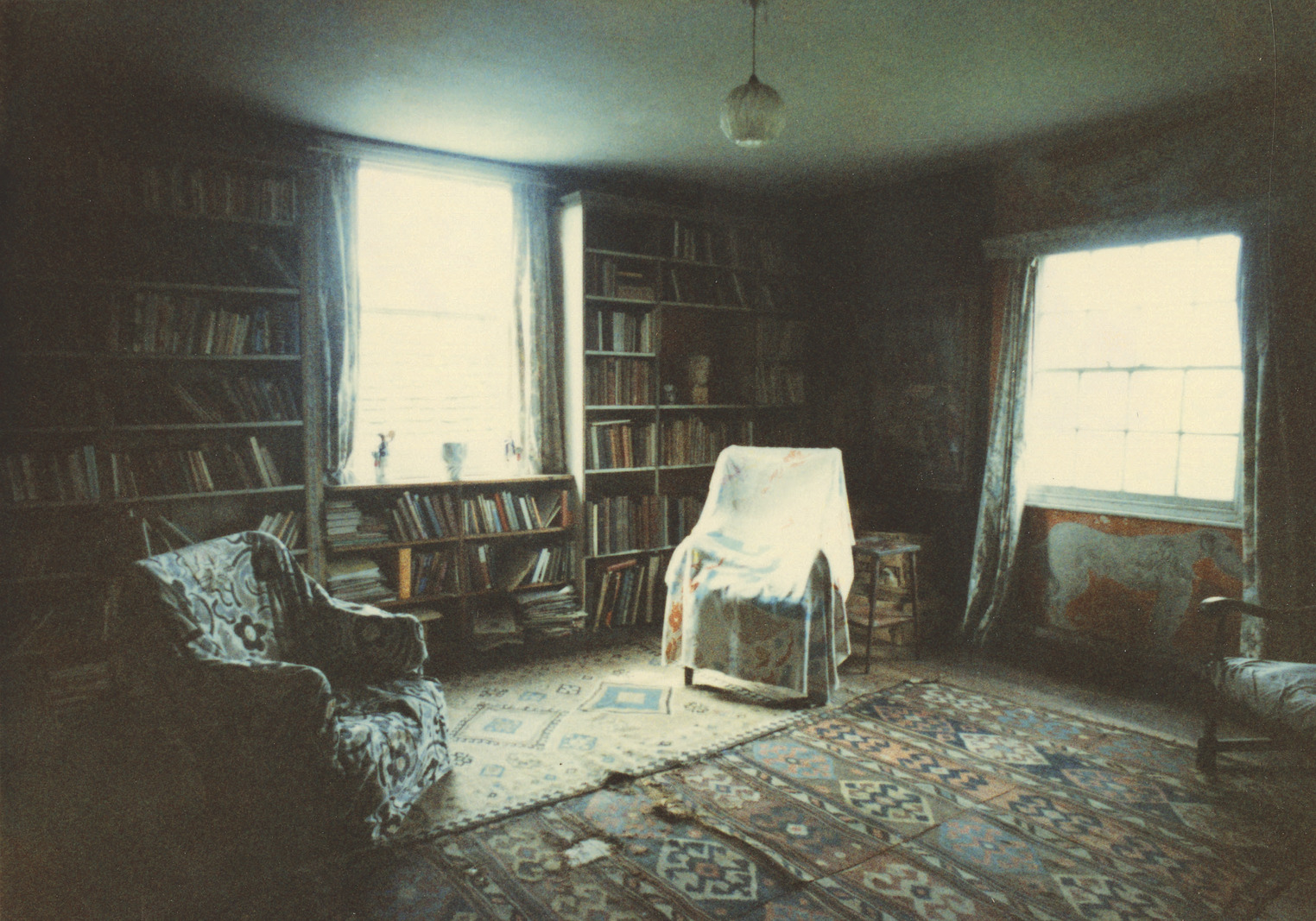
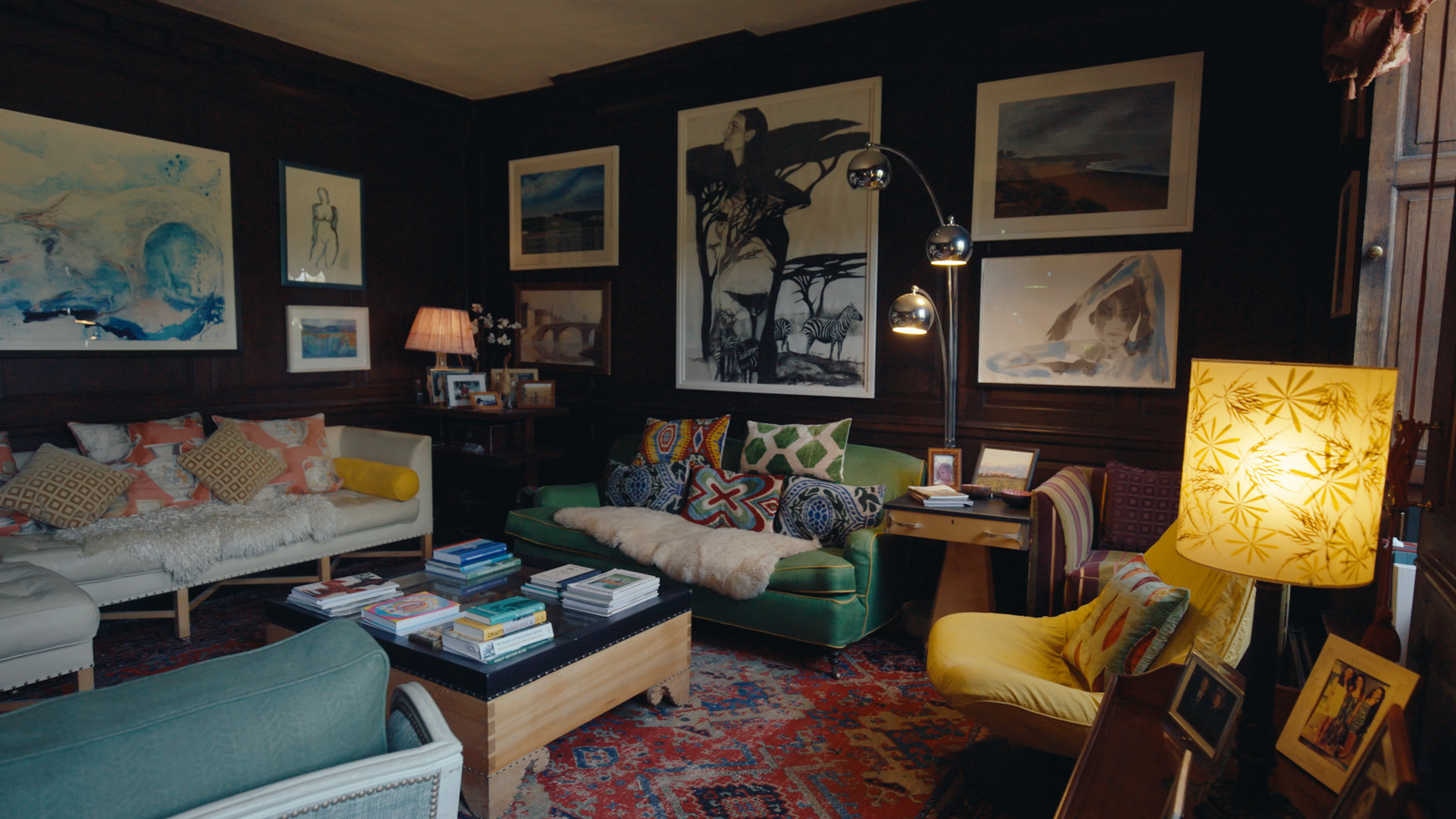
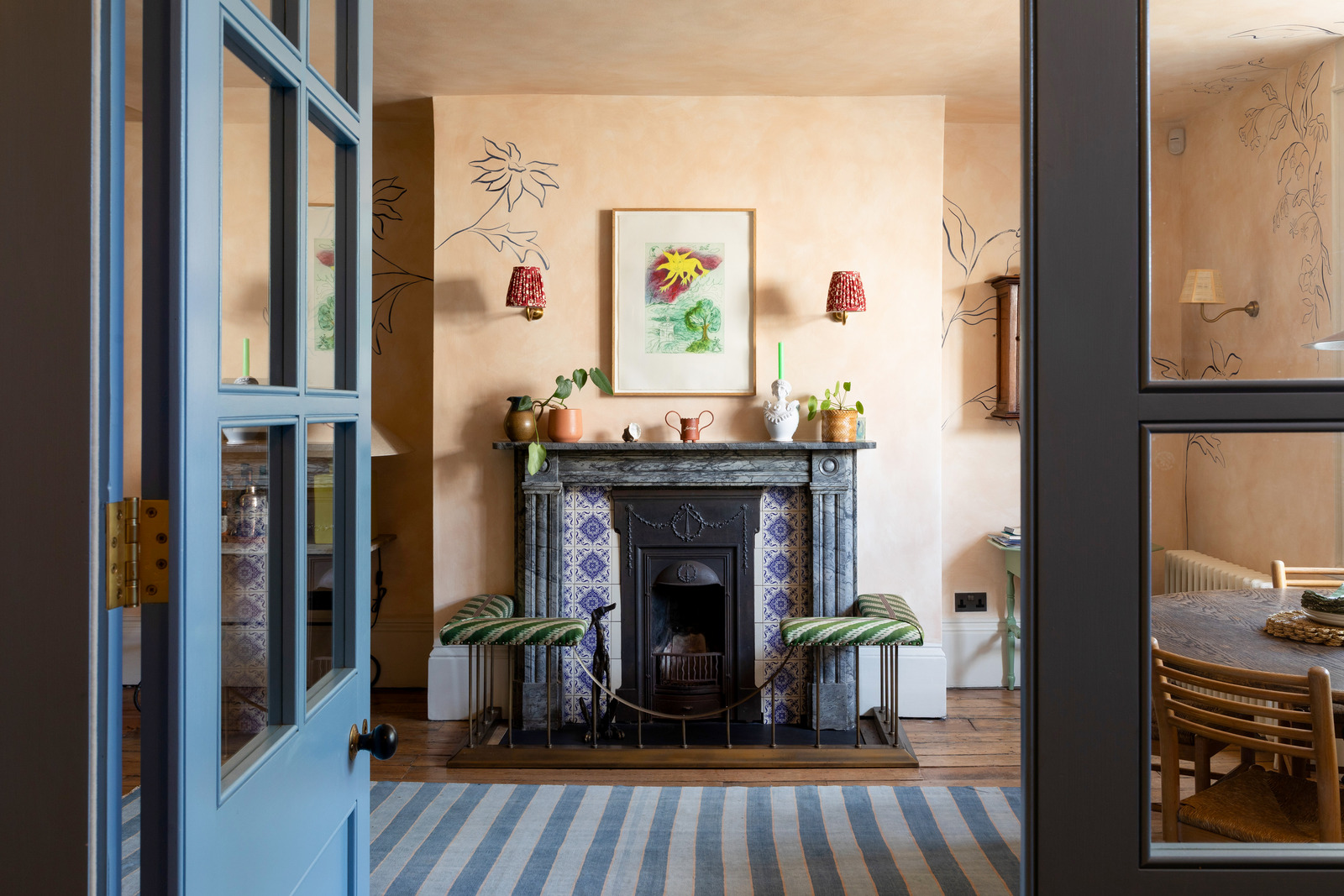
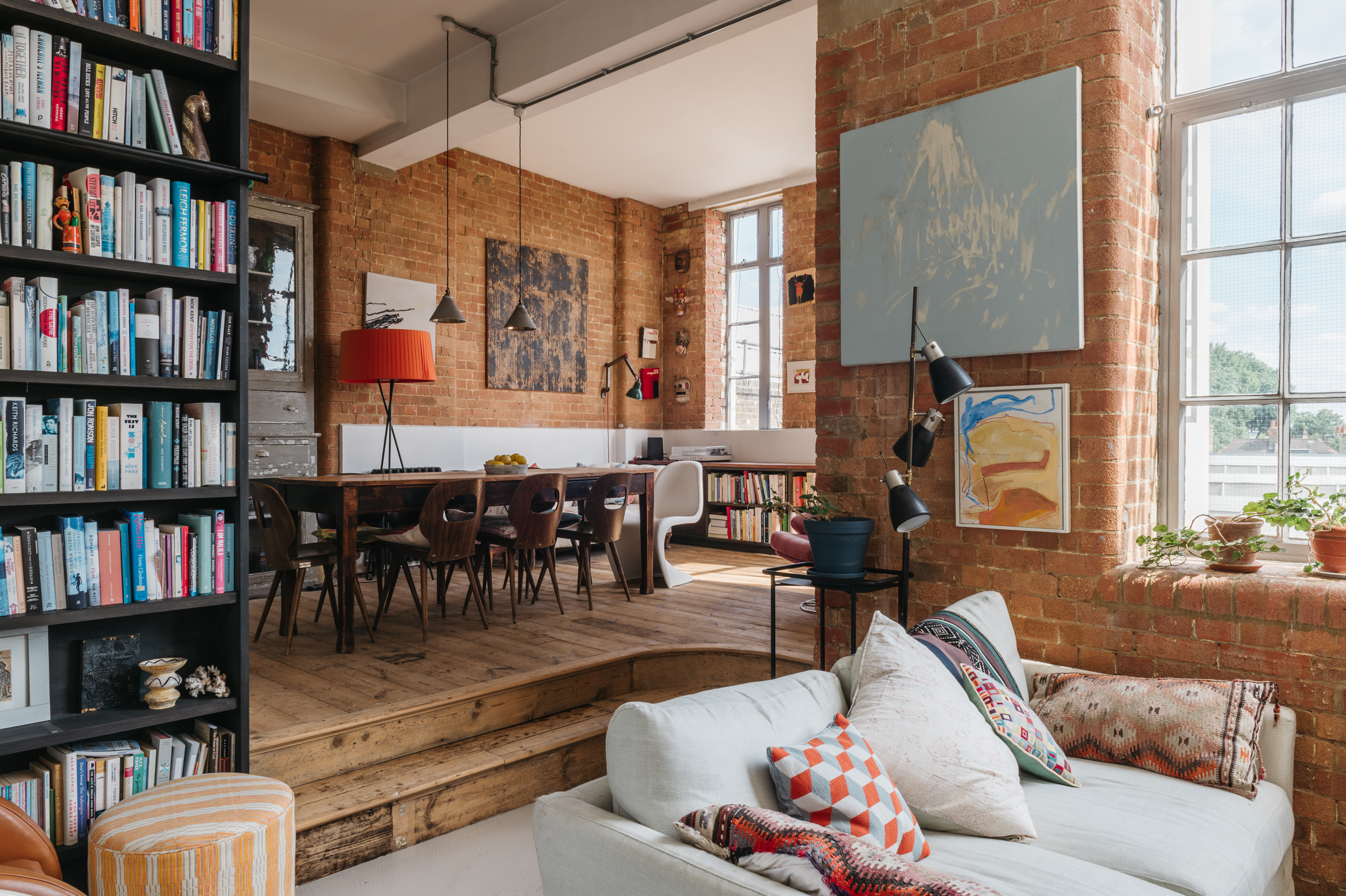
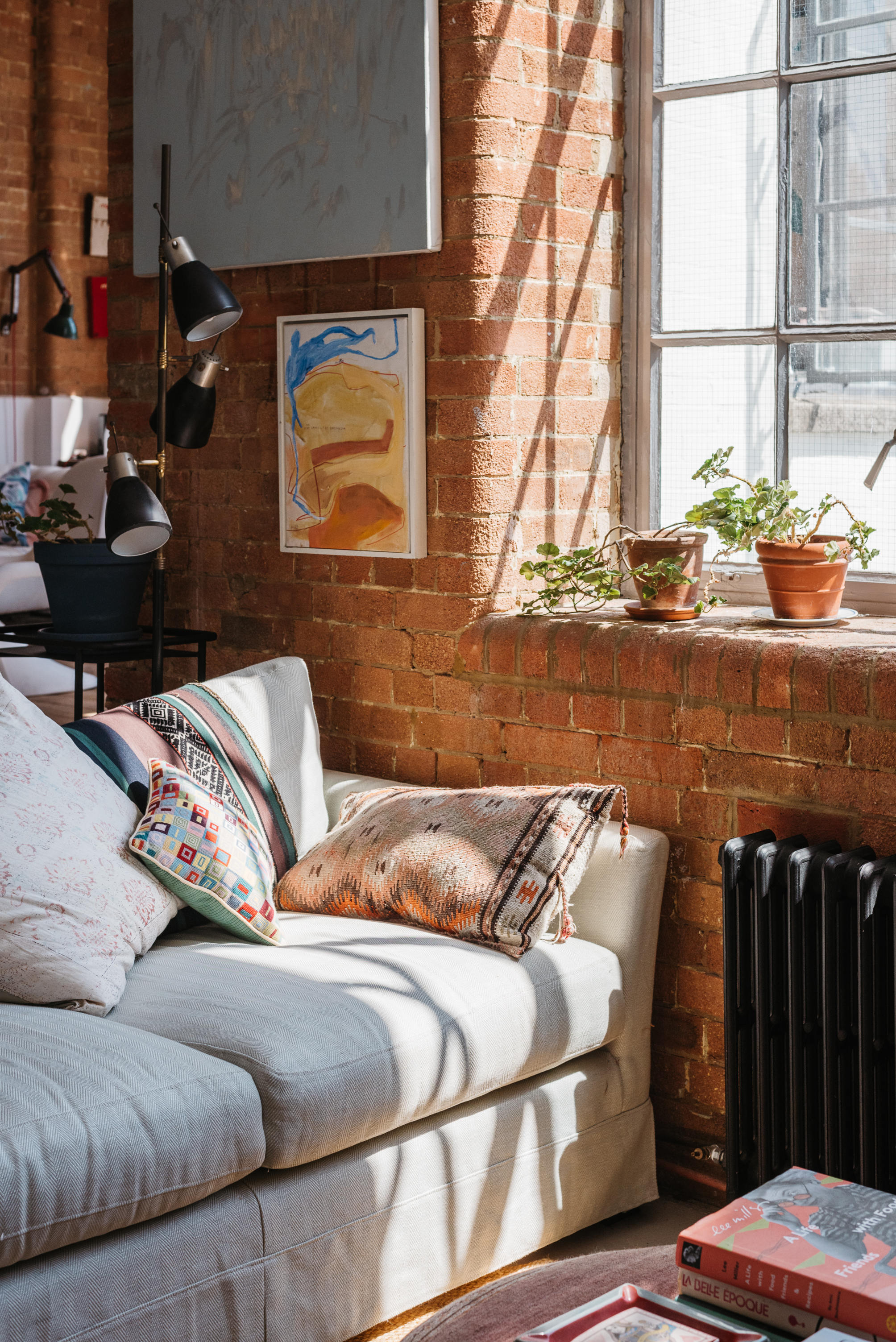
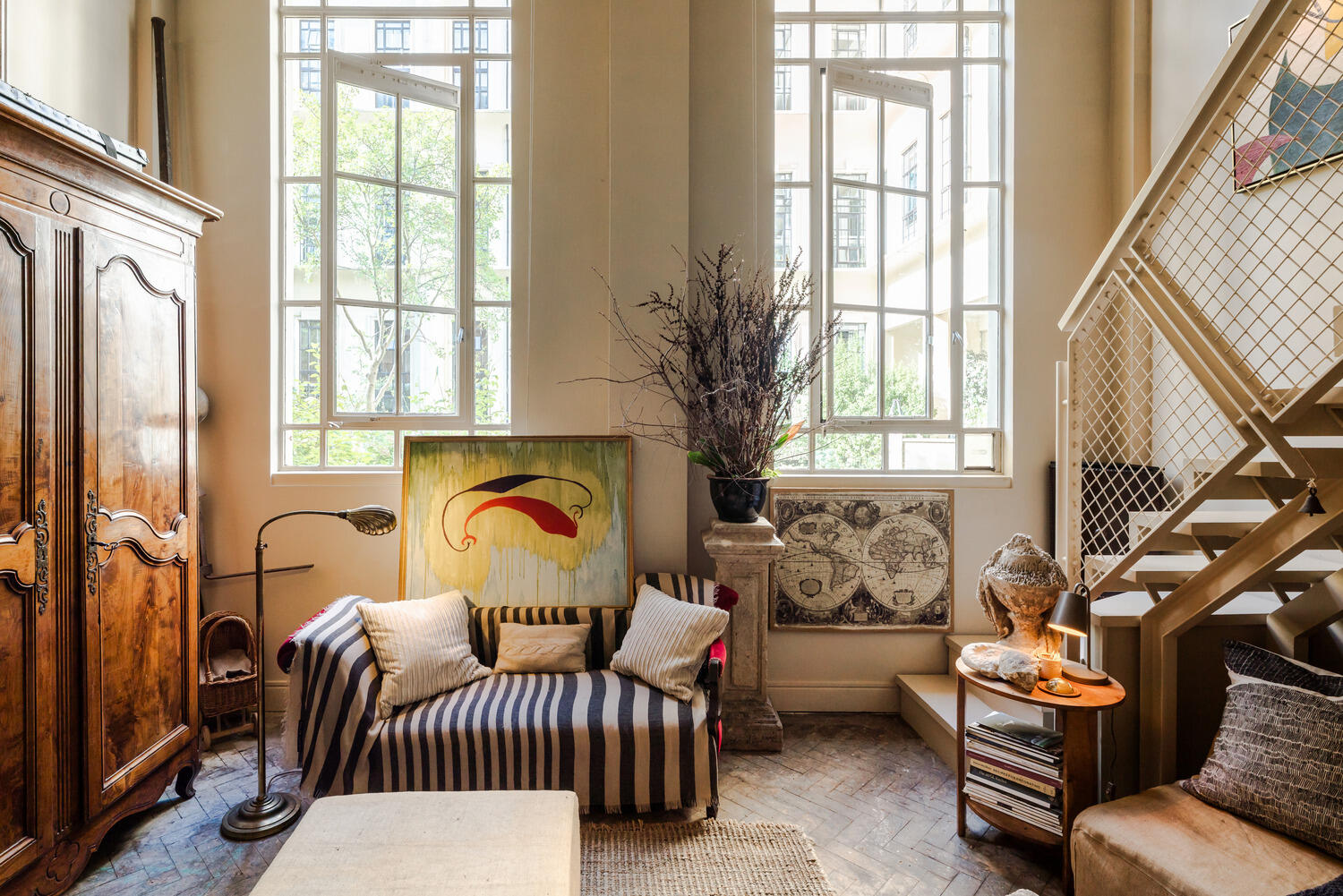
Entry is on the second floor via a foyer with separate utility and cloak room; the current owner has installed a set of antique double doors creating a grand entrance to the main living spaces. Originally a reception room and separate bedroom, the spaces have been opened up to create one large, light-filled, lateral entertaining area. A mixture of poured concrete and original wooden floorboards ground the space, and original exposed brickwork adds a beautiful warmth to the walls. Soaring ceilings are emphasised by dual-aspect windows with uninterrupted, far-reaching views over the back of the plot.
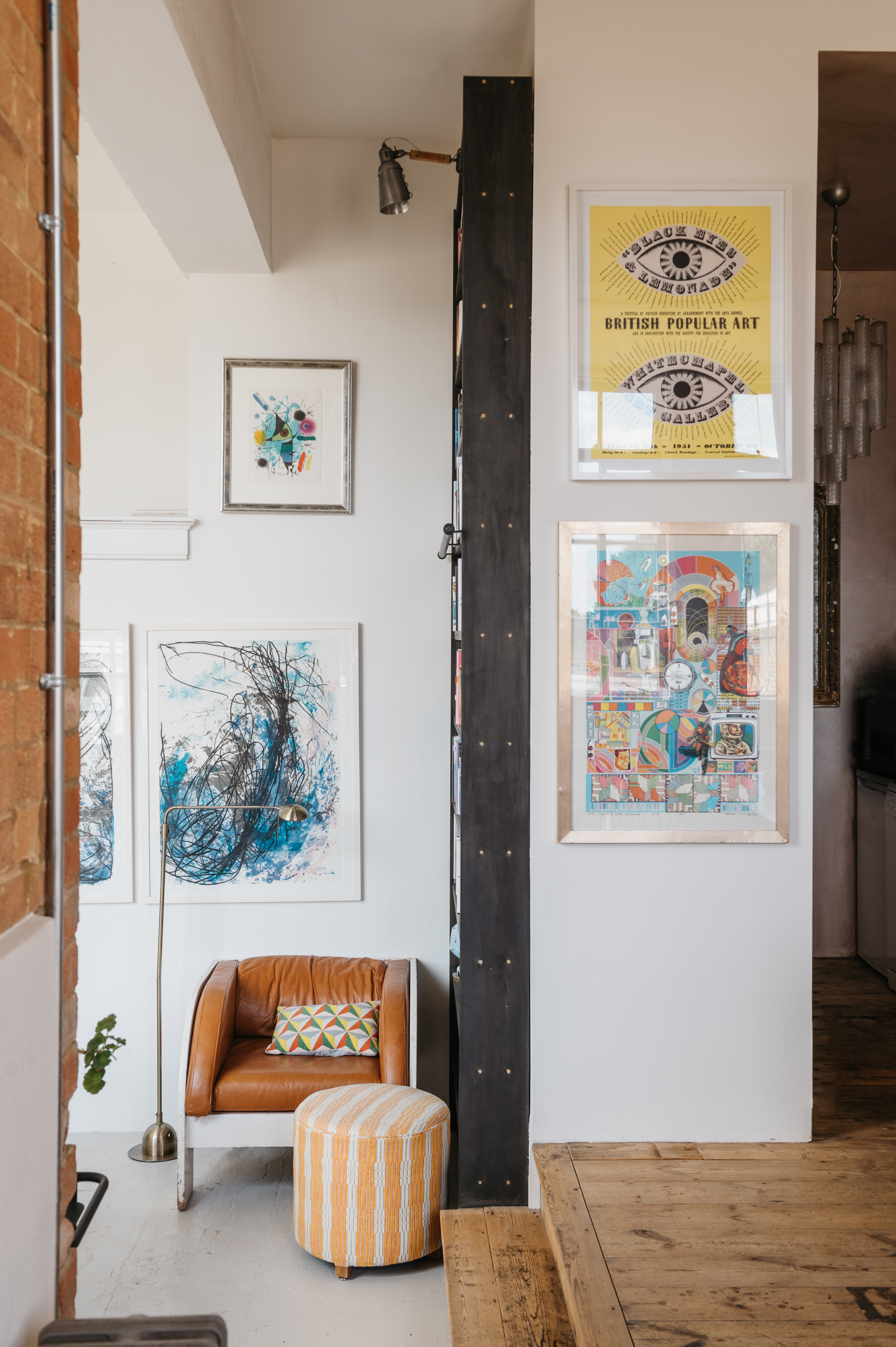
The current owners have delineated the living areas into a large living-room-come-library, a study space and a dining room. A mezzanine, used for storage, runs above the entrance hallway.
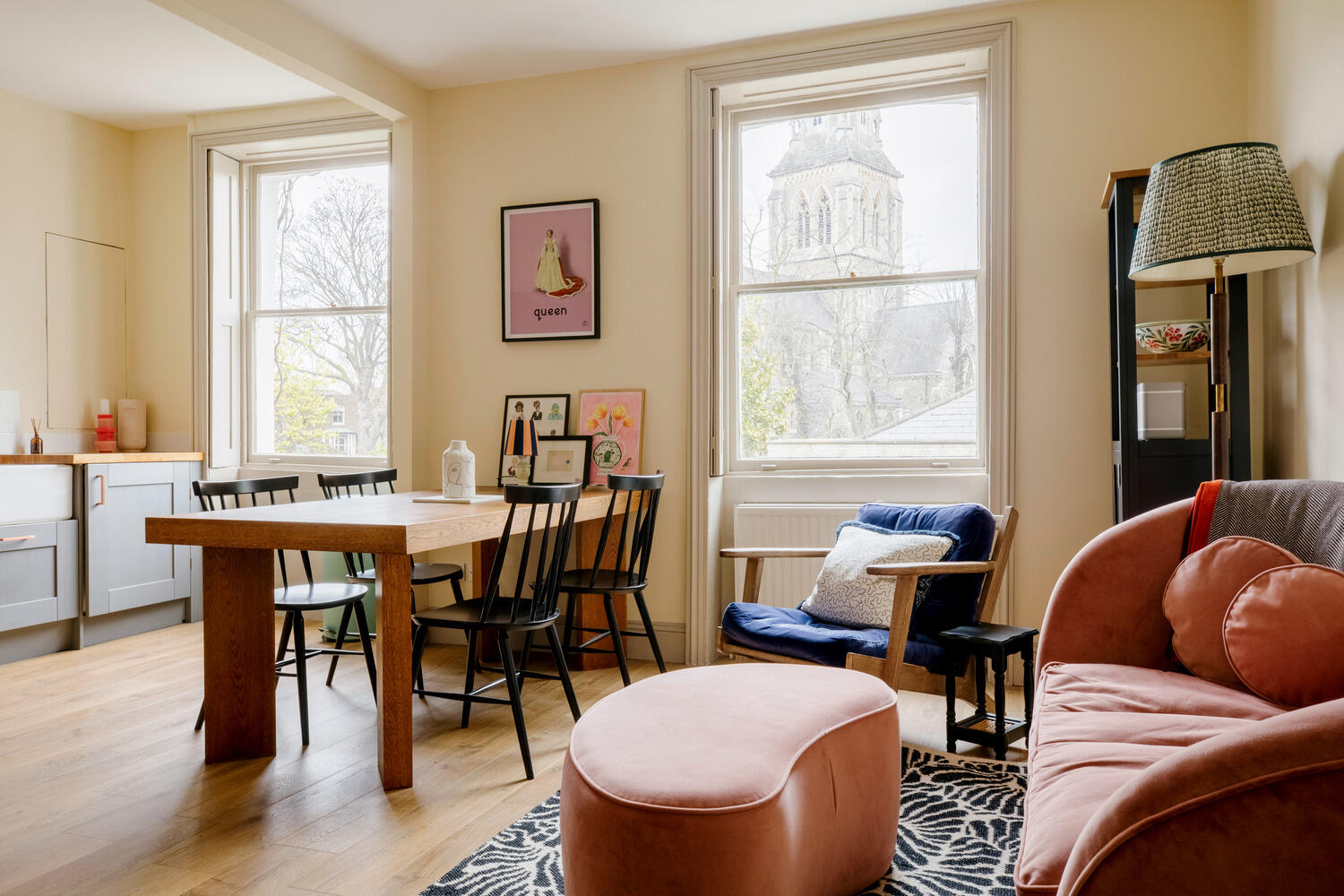
Adjacent to the dining area is a charming open kitchen with Venetian plastered walls and cabinetry with antique wooden worktops. A Belfast sink with open glass shelving above adds to the sense of openness achieved throughout the rest of the apartment.
At the end of the entrance foyer is the primary bedroom. The space has been partially painted in ‘Oval Room Blue’ by Farrow & Ball and has ample bespoke storage. The extended mezzanine is accessible from here and is the perfect storage spot for larger household items. Adjacent lies the bathroom with contemporary tiling, a bath and an overhead shower.
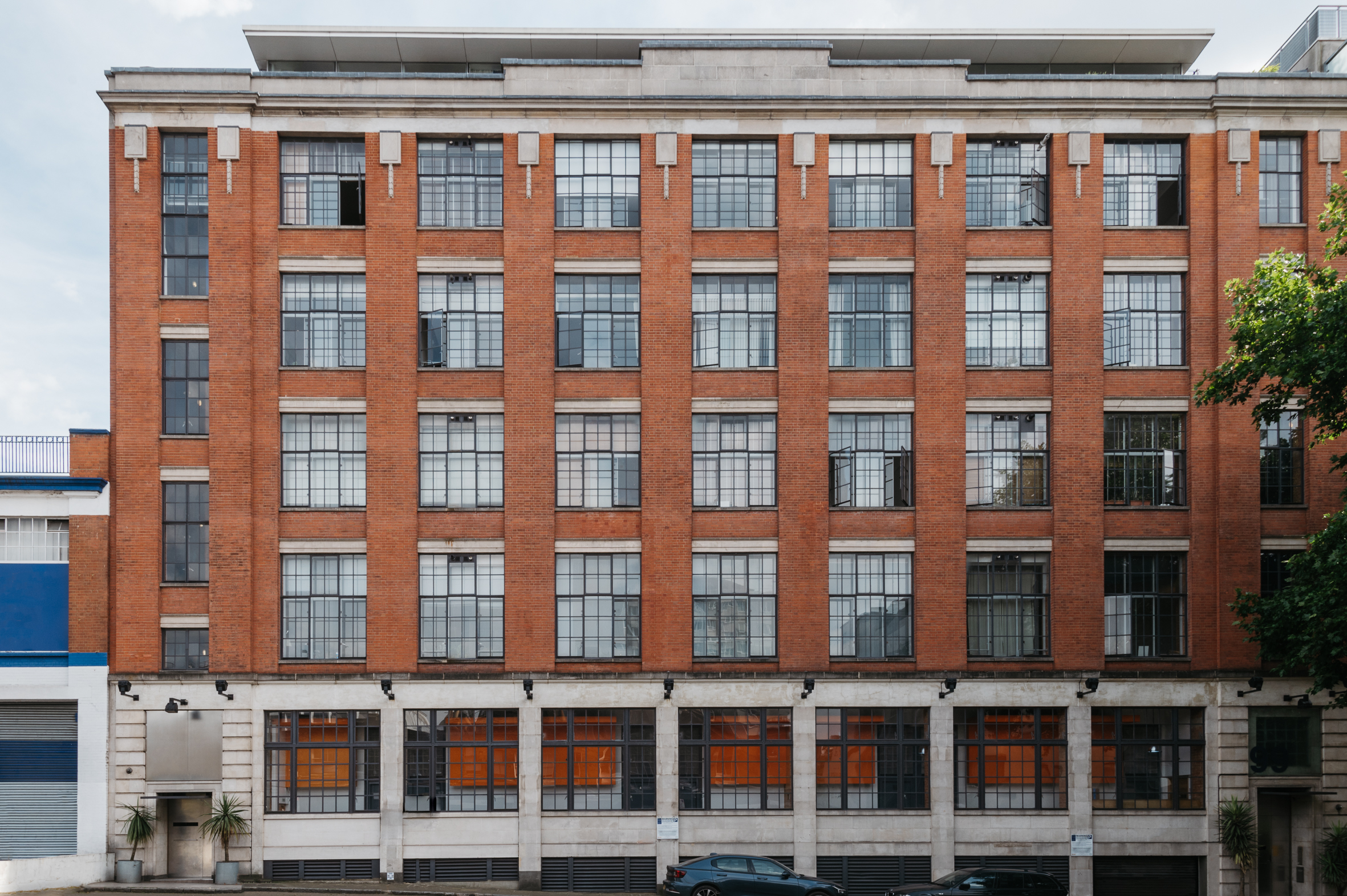
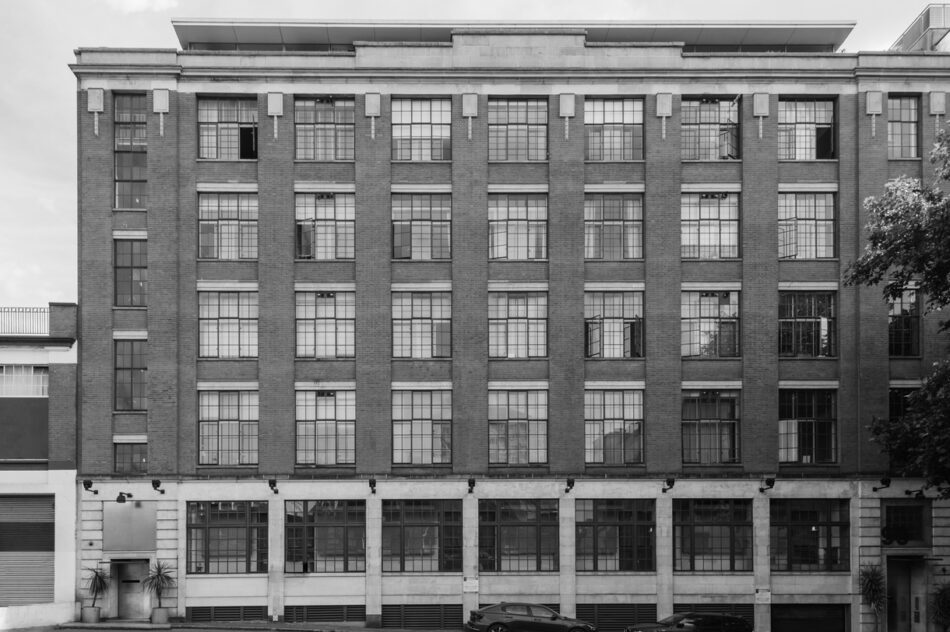
Externally, there is allocated residents parking at the front of the building and a communal bike storage area.
Out and About
Pentonville Road is in a fantastic location, wonderfully central and a short walk from the plethora of boutiques and restaurants in both Angel and King’s Cross. Exmouth Market is a short walk away, with restaurants like Moro, Morito, Quality Chop House and the Eagle on Farringdon Road. Nearby Coal Drops Yard and King’s Cross Quarter have an further selection of excellent eateries, including Lina Stores, Barrafina, Granger & Co. and Dishoom. The Screen on the Canal provides a charming outdoor space with films on throughout warmer months, and the Almeida and King’s Head theatres are both in the other direction towards Angel.
The much-admired Foundling Museum is within walking distance, and Coram’s fields is the perfect location for a weekend picnic or stroll. Further afield, the museum districts of Holborn and Fitzrovia are also within reaching distance.
Angel underground station is a walk from the home with regular Northern Line services. Kings Cross station also offers excellent transport links, with the Northern, Piccadilly, Victoria, Circle, Hammersmith & City and Metropolitan lines under one roof. Wider UK and international travel is also a stones throw away at St Pancras International.
Tenure: Leasehold
Lease Length: Approx. 104 years remaining
Service Charge: £4,500 p/a
Council Tax Band: E


 Related Stories