


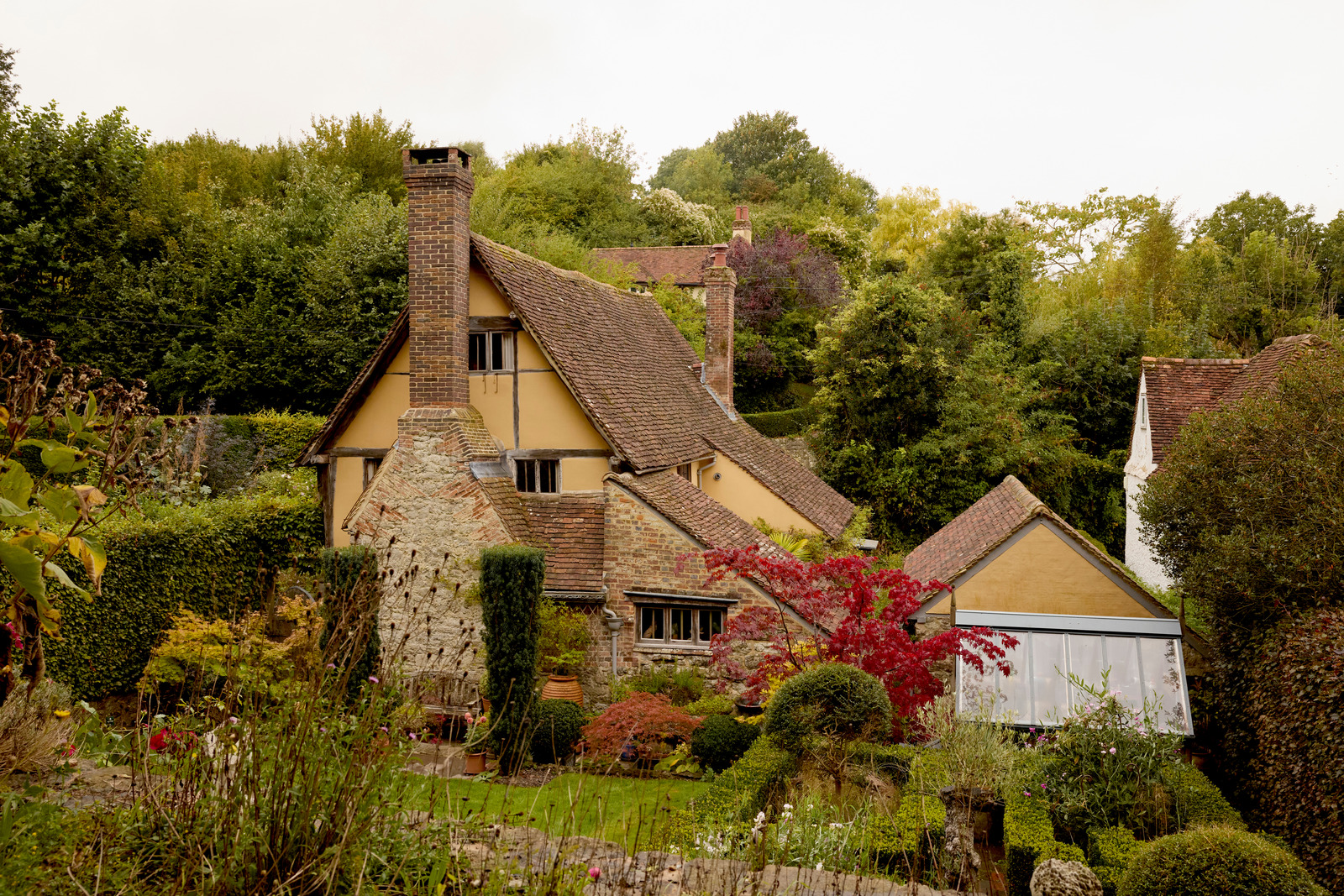
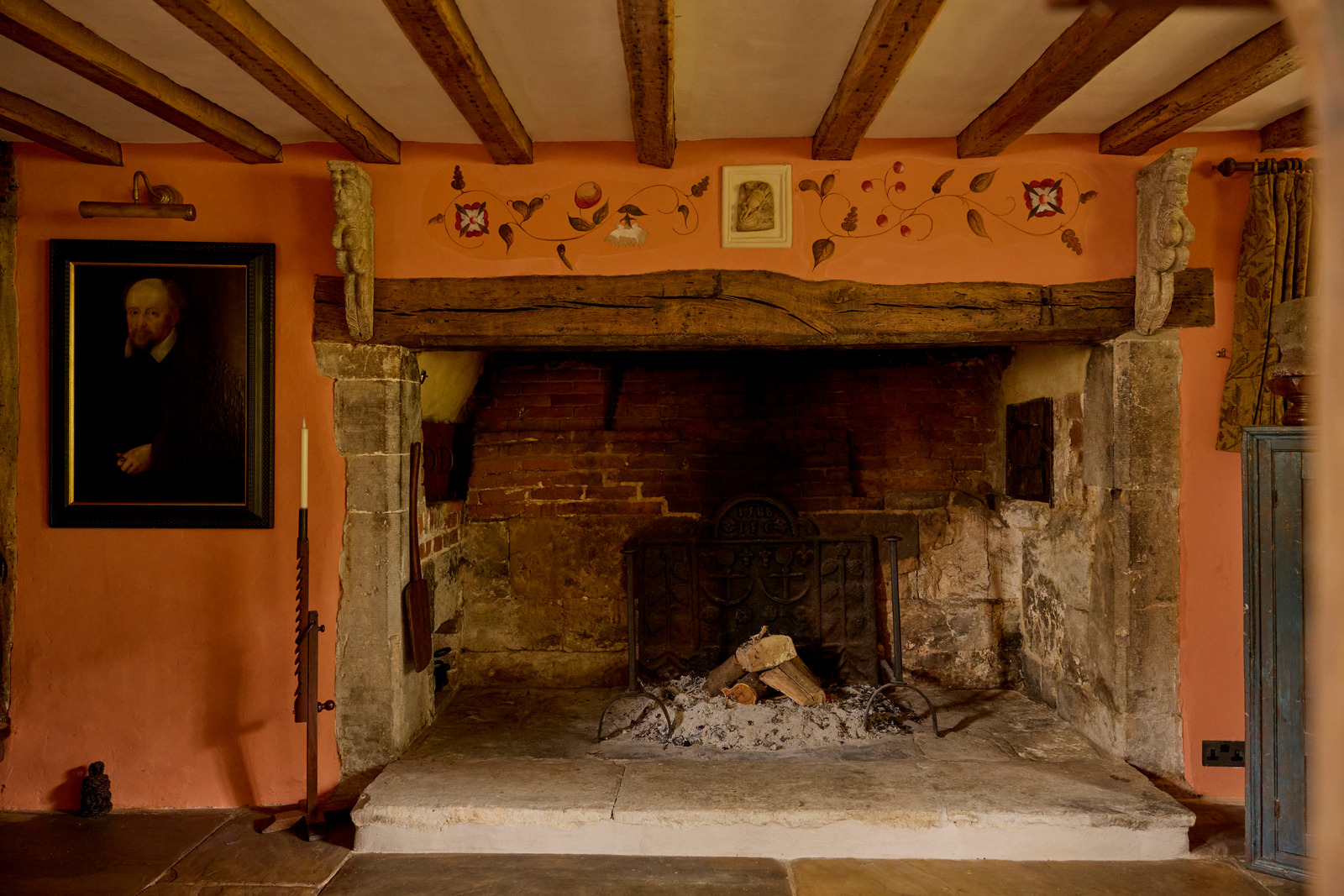
This characterful grade II-listed cottage, with origins in the 15th century, is nested within the Loose Valley conservation area, within striking distance of the historic town of Maidstone, Kent. It is believed to have once been a bakery and is notable for its exposed timber studs and principal posts, and its pretty yellow façade. The house is both bright and cosy: a large inglenook fireplace (no longer in use) provides a focal point, extending along one wall of a welcoming living space. Outside, the gardens feature fruit bushes, citrus and apple trees and a peaceful garden house warmed by a wood-burning stove. There are a few pubs in Loose itself, while Hayle Park Nature Reserve is close by, along with some of the finest country houses and gardens in England.
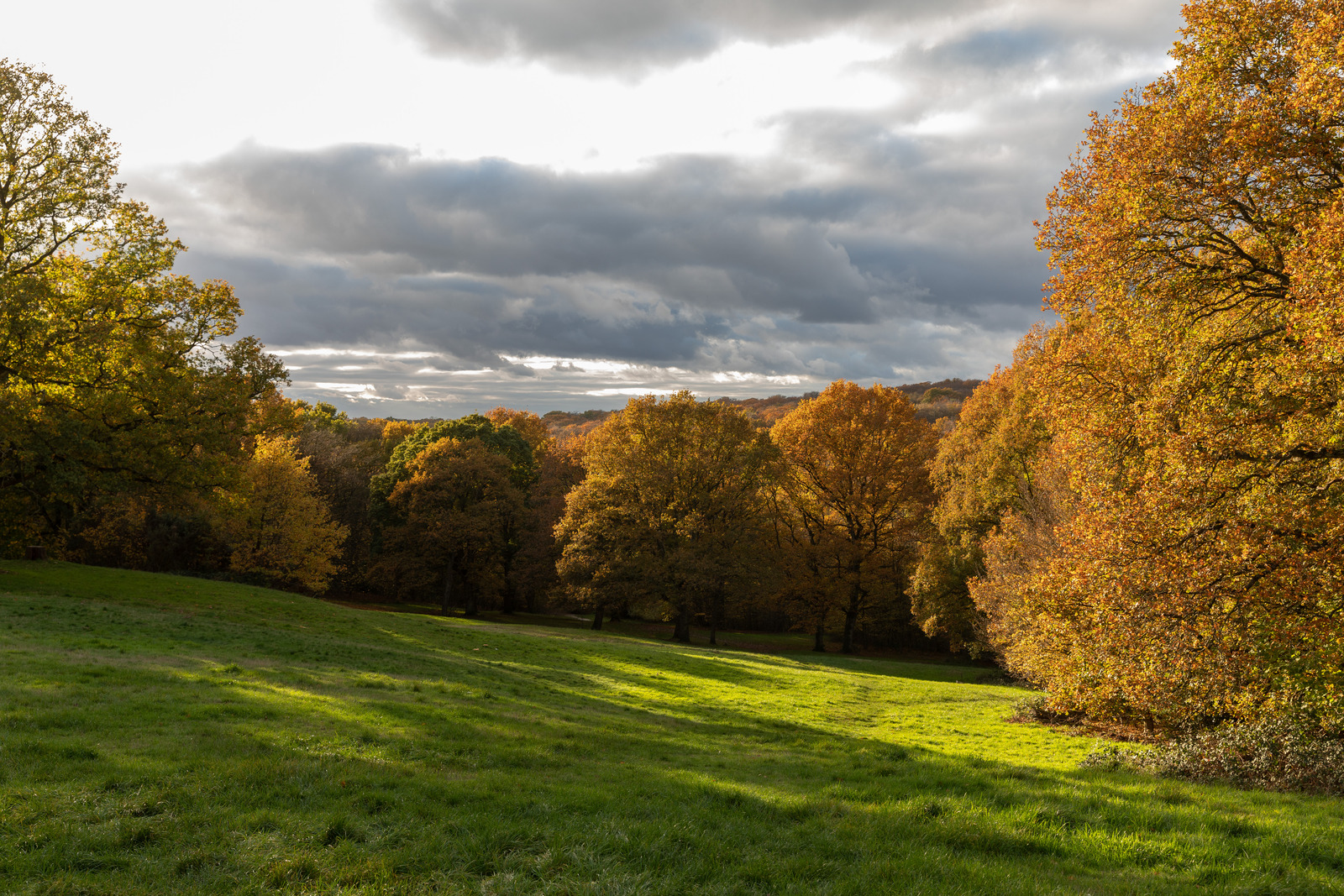
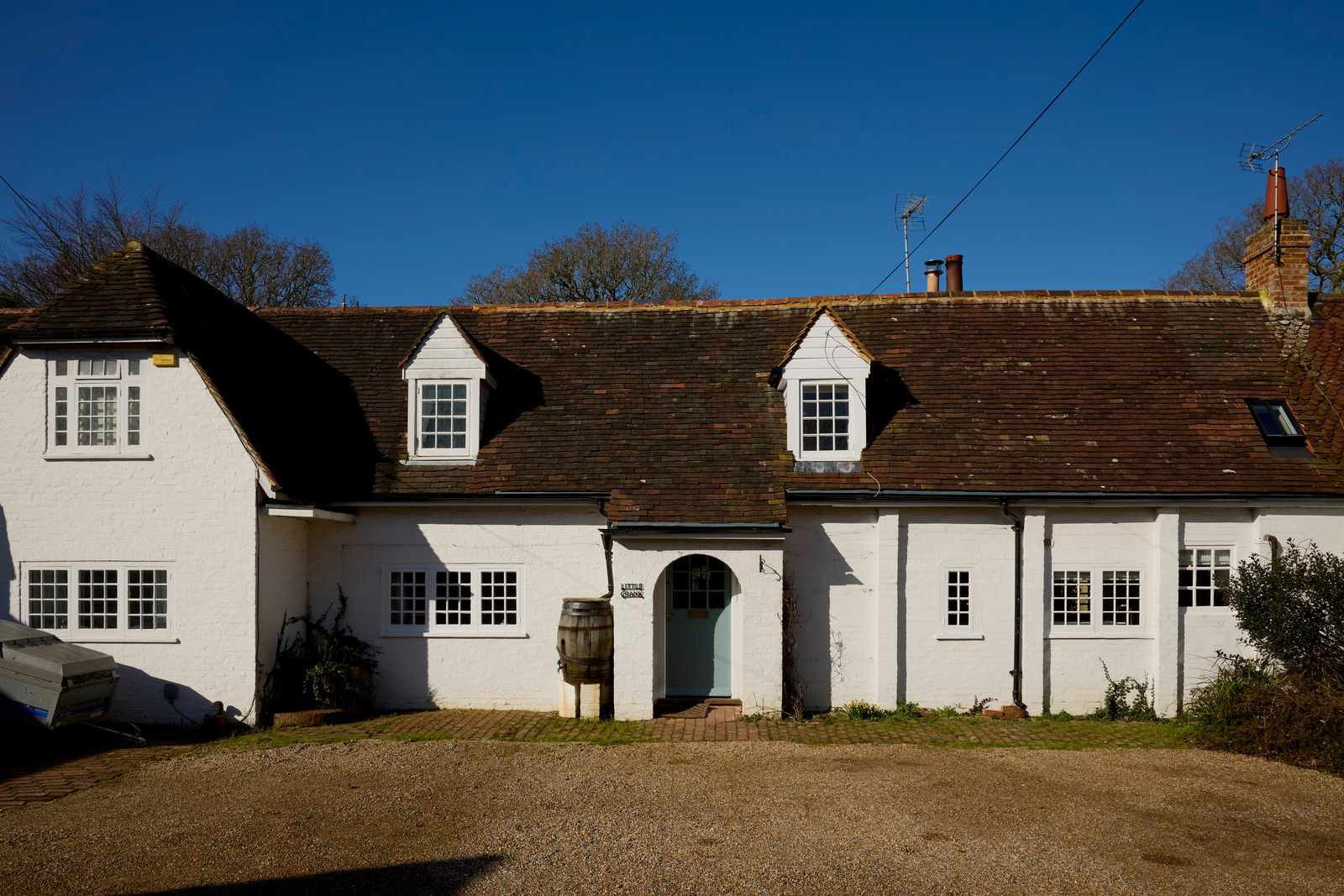
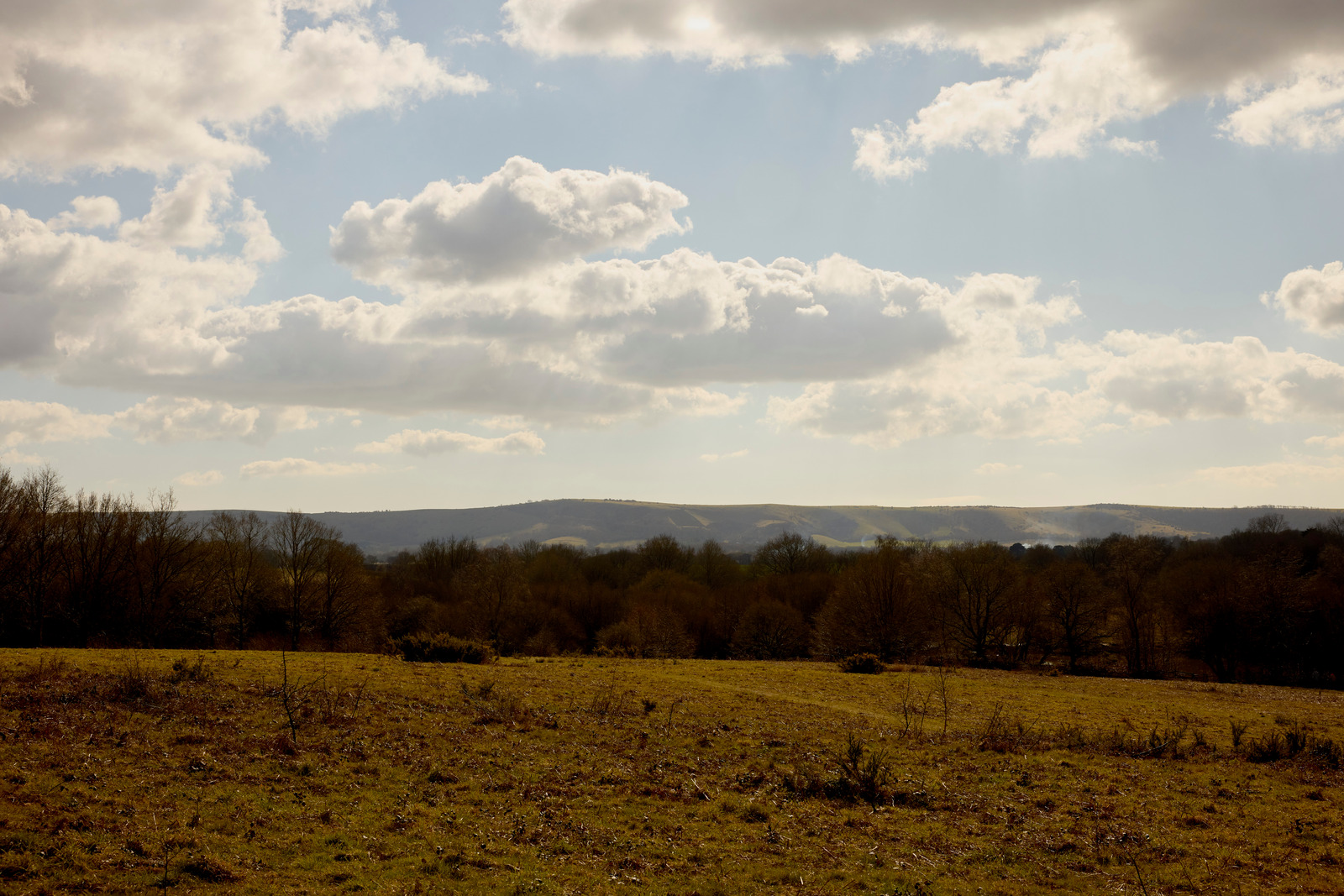
Little Crank is a Grade II-listed three-bedroom cottage built c.1910 on the edge of Ditchling Common, a 188-acre Site of Special Interest in East Sussex, linked by a network of walking paths. It's the perfect location from which to enjoy the rich colours of autumn with its woodlands and soothing views of the chalk hills of the South Downs. Meanwhile, the historic village of Ditchling, two miles to the south, is known for its vibrant artistic heritage and hosts the Ditchling Museum of Art and Craft, while the Ridgeview Wine Estate, offering award-winning sparkling wines, is a walk away through the local lanes.
This honey-hued Grade II-listed house lies in Bisley, within the Cotswolds Area of Outstanding Natural Beauty. A quintessential Cotswold retreat, it’s well-placed for autumn rambles on the idyllic Cotswold Way and Wysis Way, with two cosy pubs and a farm shop to welcome you on your return to the village. First constructed in the 17th century, Old Pound Cottage was enlarged in the 18th century and has recently been thoroughly reimagined, with sympathetic and high-quality materials and finishes, including a farmhouse-style kitchen, log-burning stove and a brilliant boot room picked out in charcoal tones. The well-tended garden is filled with year-round texture and colour.
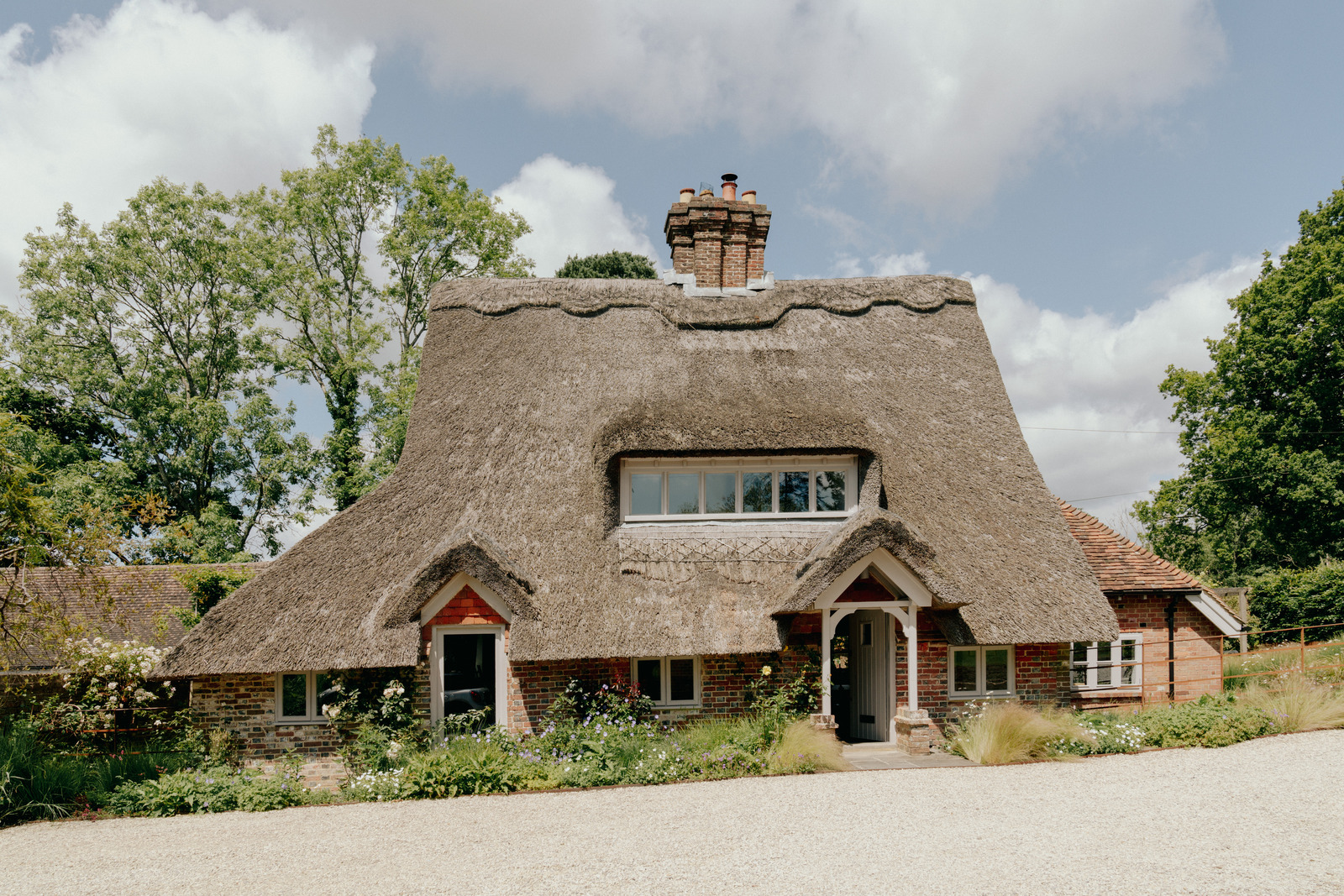
This enchanting Grade II-listed detached house, with its pretty thatched roof, is set within The Weald between the parallel chalk escarpments of the North and South Downs and enjoys wonderful views across a forested valley, in one of the most heavily wooded parts of England. Ashdown Forest, where A.A. Milne set his ‘Winnie the Pooh’ books, is nearby, as is the reservoir and parkland of Bewl Water. The house itself was formerly two smugglers’ cottages, with its wonderfully preserved timber frame being thought to date from the 16th century. With a vaulted reception, offering flagstone floors and clerestory windows, the Thatch has been sensitively renovated with a restrained palette by William Deakins Architects. It includes a thatched home studio, carport and is encircled by charming gardens.
A remarkable 17th-century farmhouse forms the architectural basis of this handsome home in Pett, East Sussex. Full of atmospheric spaces, including outhouses and an annexe, which lend themselves perfectly to candle-lit dinners or curling up with a book by the wood-fired Aga - indeed, CS Lewis recorded taking lodgings here. Despite its sequestered, pastoral feel, the house is within easy reach of two excellent pubs for a cosy pint or two, a lively village hall, the wonderful beach of Pett Level (great for swimming, for those who have the constitution), while the Saxon Shore Way footpath and the Jurassic Coast offer spectacular and easily accessible walks.
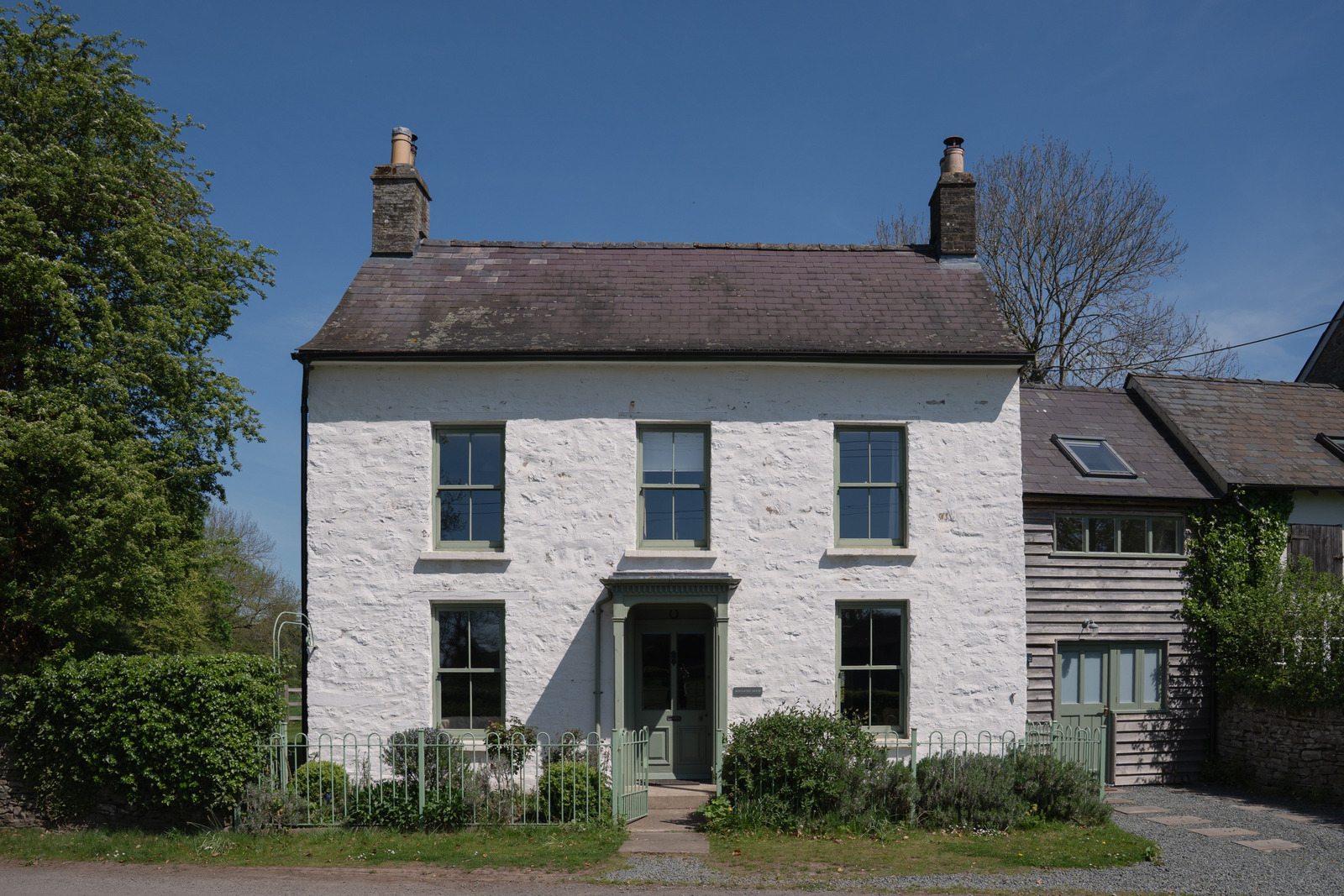
Overlooking its bucolic surroundings, Rosemond House is a beautiful 18th-century cottage in the borderlands village of Clifford, with a view down the Wye Valley from the beautifully unfussy garden. A quietly elegant, postcard-pretty example of precise Georgian symmetry, the original timeworn features sit in harmony with a series of subtle and sensitive modern adaptations. A few minutes drive away is the ever-popular Hay-on-Wye, famed for its literary festival, culinary pleasures, independent shops and vibrant arts scene. Yet, the surrounding landscape, taking in the Black Mountains, the River Wye itself, and the remarkable trails and routes that meander through the Bannau Brycheiniog (Brecon Beacons) National Park, is equally compelling.
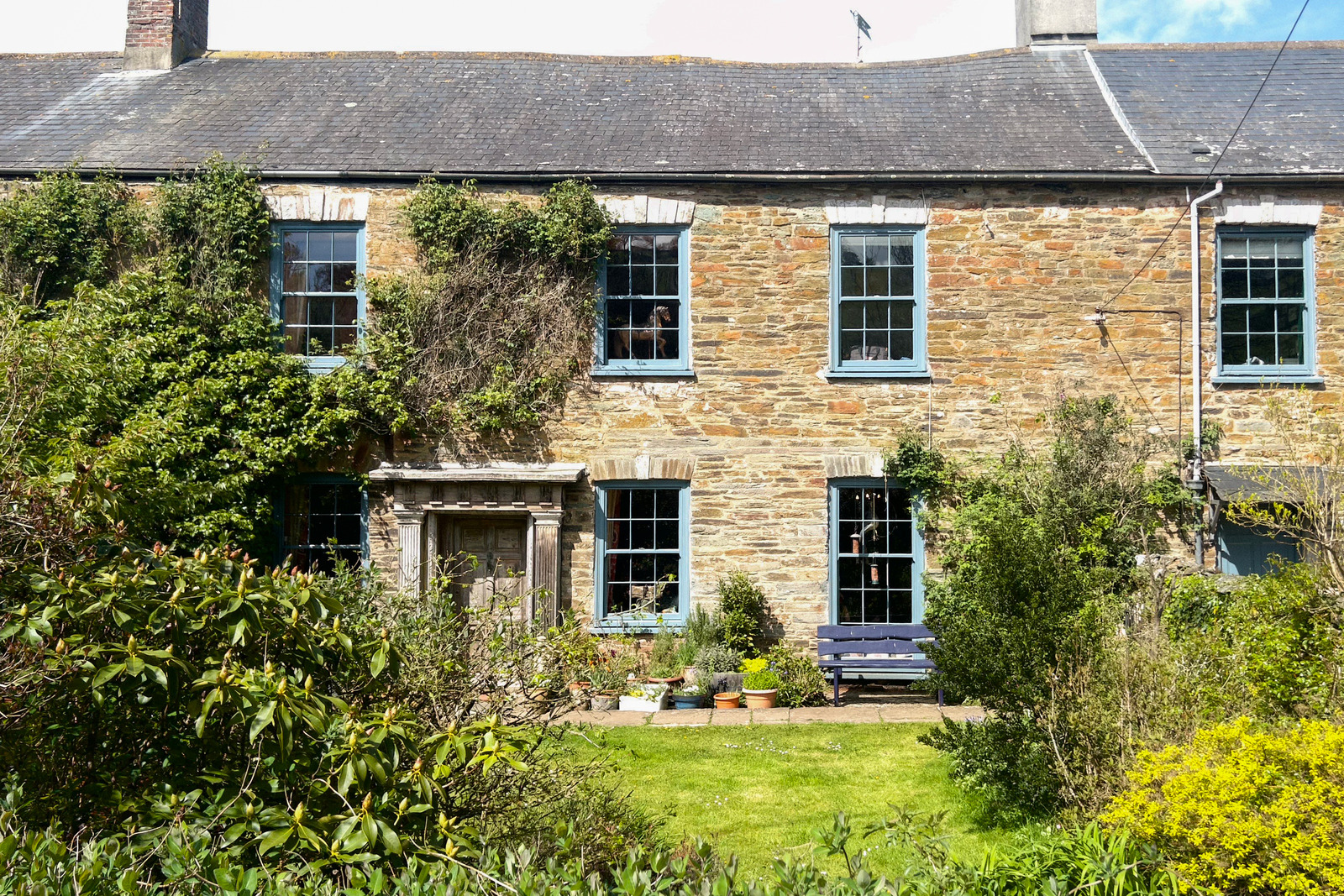
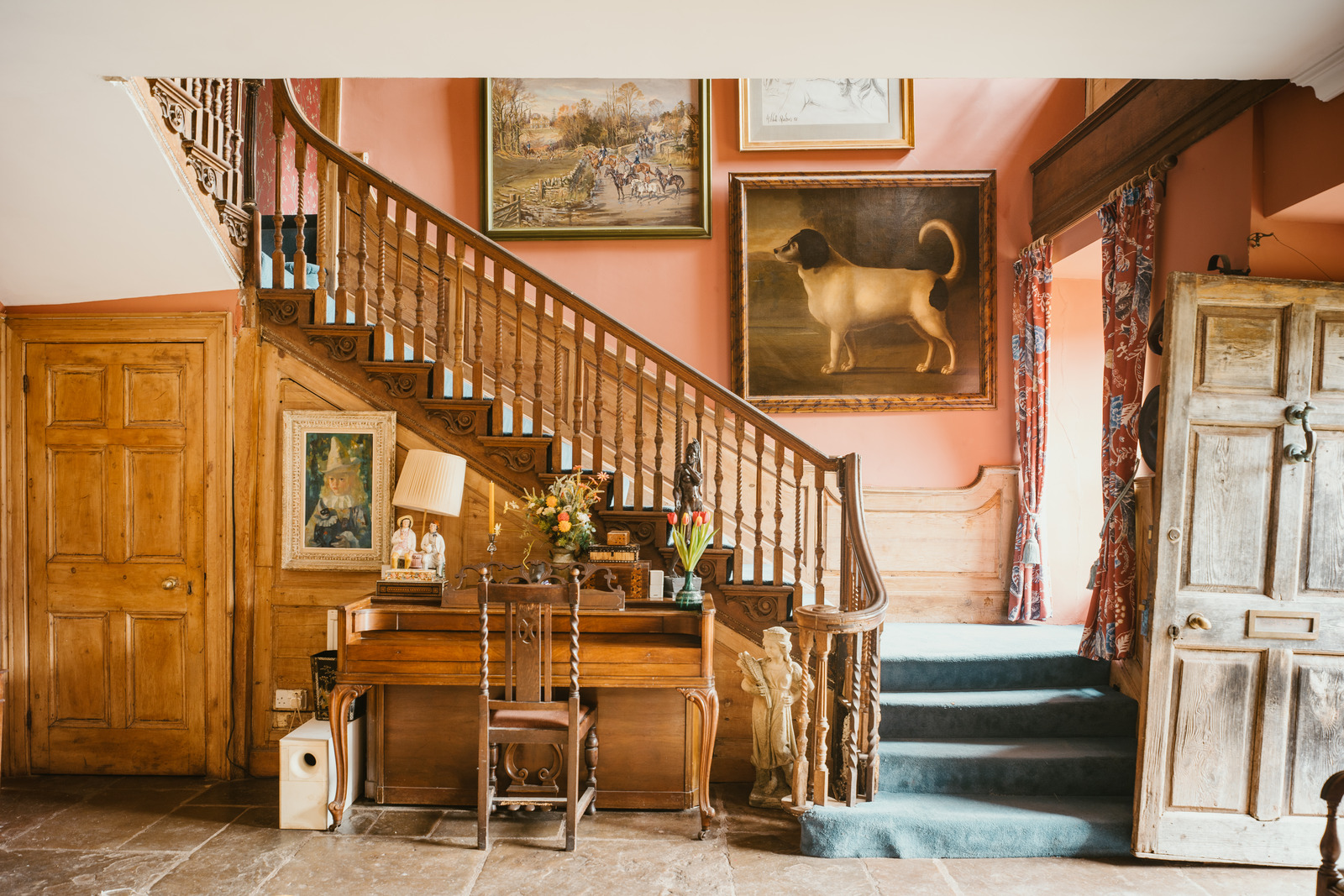
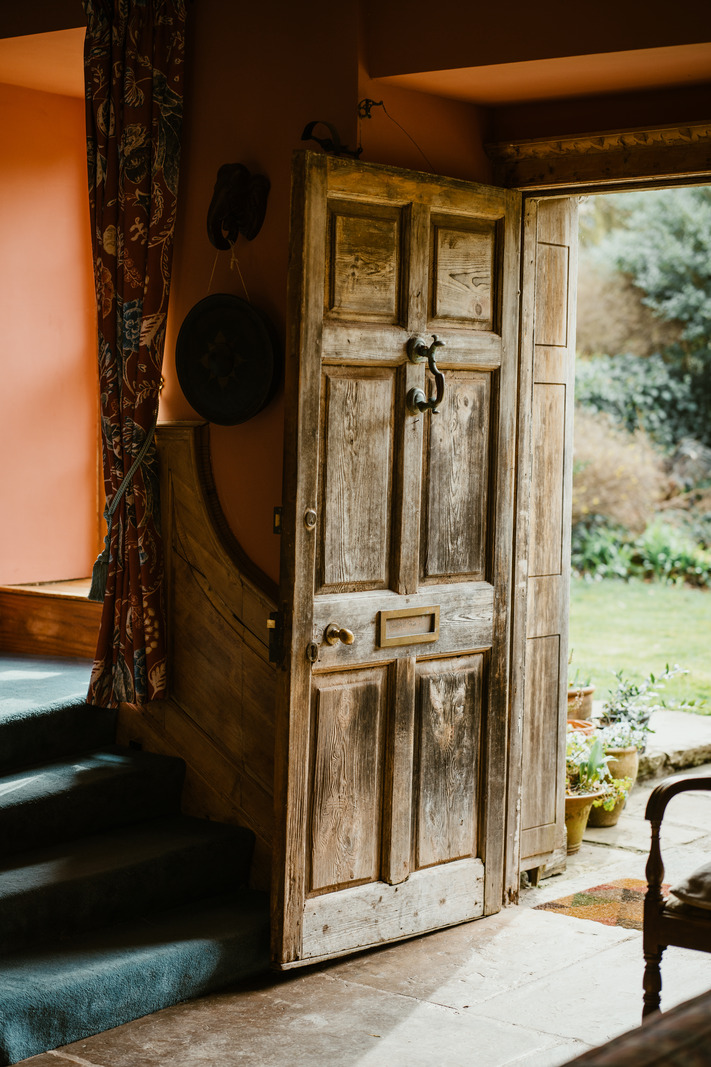
The characterful stone rubble frontage of this Grade II-listed house in the South Hams district of Devon is punctuated by distinctive duck-egg blue sash windows. This original character carries through and manifests in a magnificent 17th-century listed staircase, fireplaces, period floorboards and a stunning vaulted ceiling. Washbourne itself is a peaceful hamlet set in undulating countryside offering bracing rambles and exceptional views, with the South Devon coast path within easy reach. There’s a lovely pub, the Maltsters Arms, set in a riverside spot and renowned for its food, a mile away, while the historic town of Totnes – known for its galleries, eateries, charming local market and boutiques – is a short drive.