InigoInigo Logo

How My Garden Grows: a Norfolk garden abundant with auriculas

In the latest episode of the How My Garden Grows podcast, our host Francine visits Jane-Ann Walton's auricula-filled garden in Norfolk, where she learns more about this heart-stopping plant and its storied history

Homes / Interiors / Podcast
words
Francine Raymond
film and photography
Ellen Hancock
How My Garden Grows: a Norfolk garden abundant with auriculas

All over the country there are hidden gardens beautifully curated, often by women, over a lifetime of hard but willing work. Testament to huge reservoirs of imagination, fortitude and often at great personal cost, these gardens form the backbone of our national horticultural tradition. Hundreds of fabulous secret gardens blooming unacknowledged, and some are home to some very particular passions.

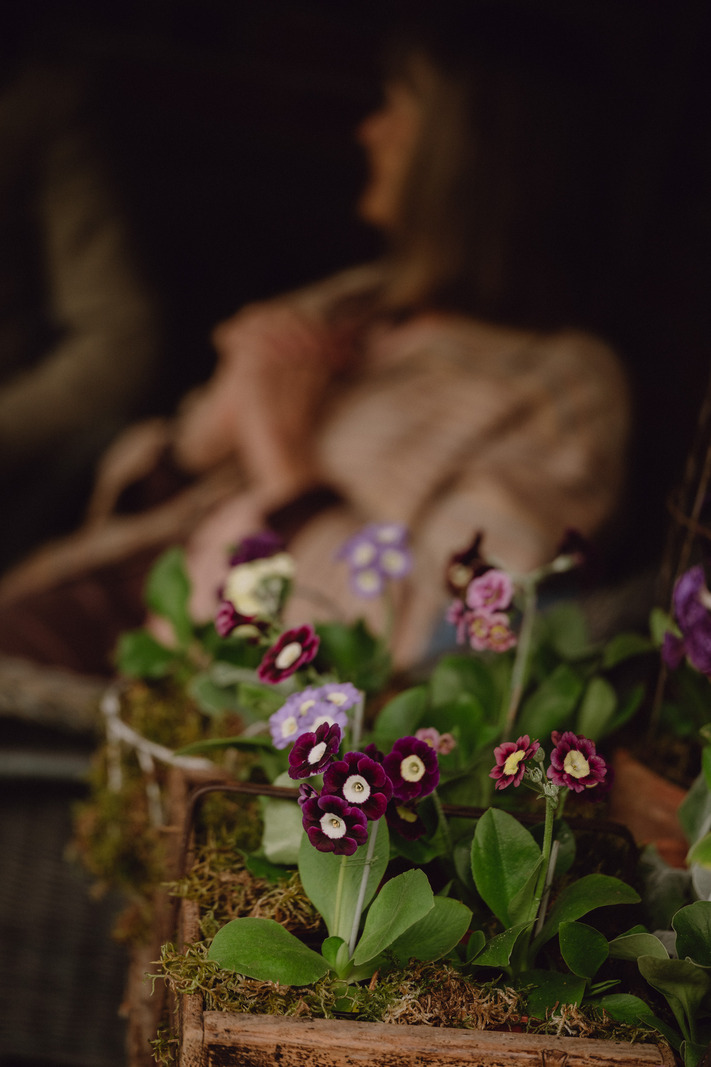
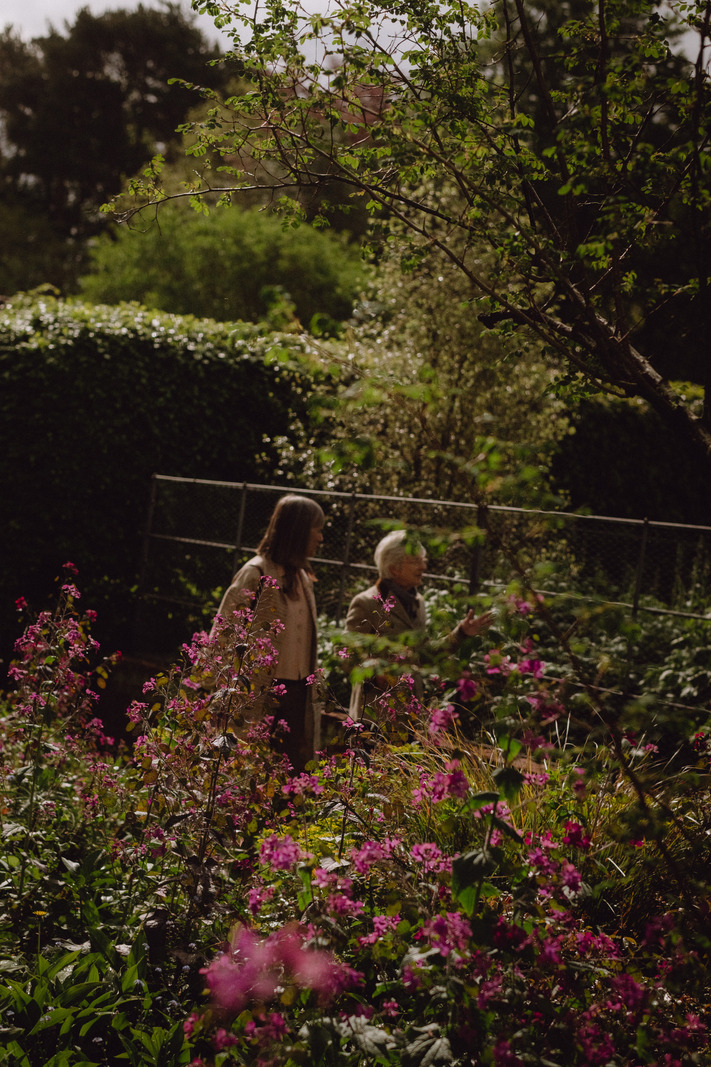
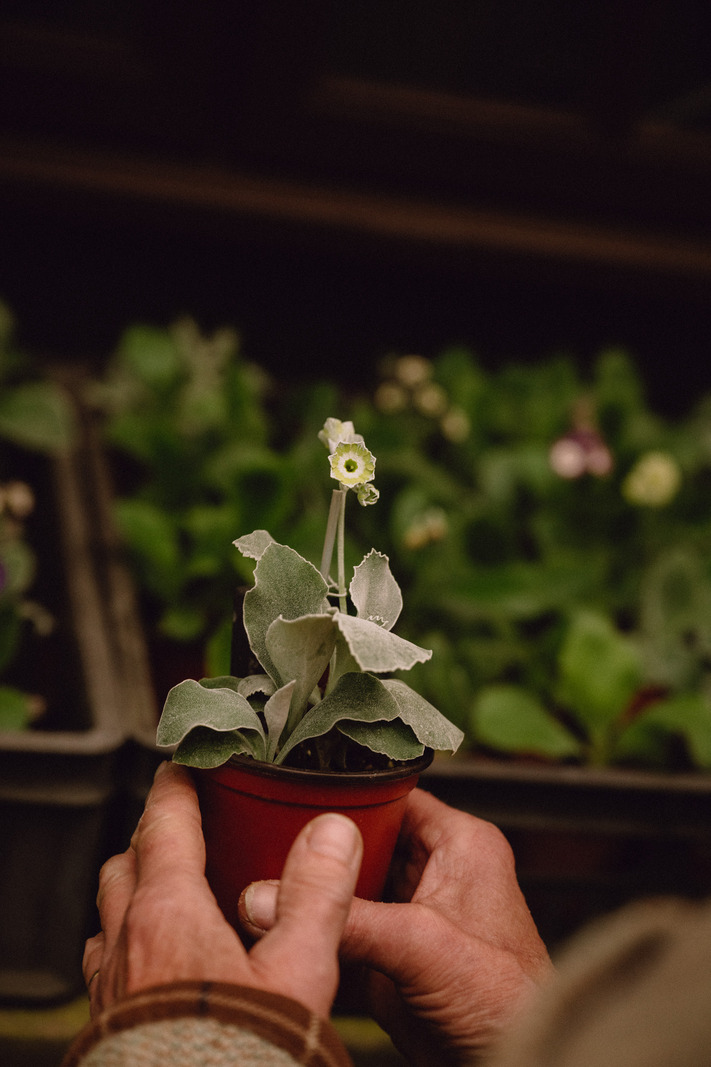
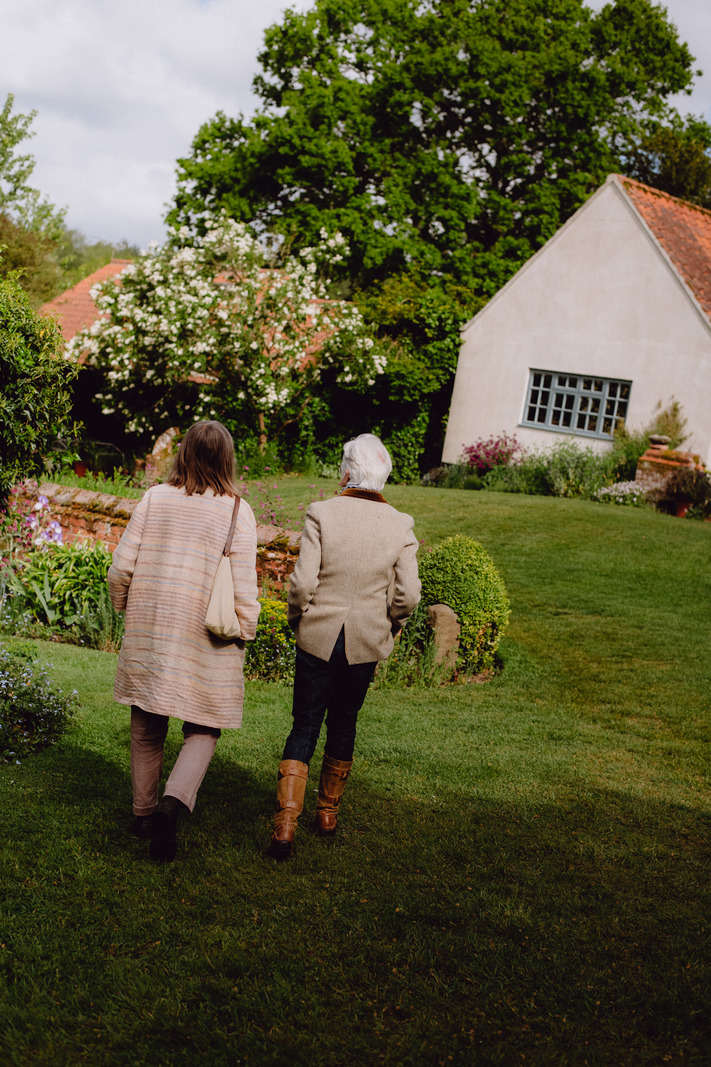
Once museum curator and now textile artist, Jane-Ann Walton’s four-acre plot, surrounded by 13 acres of woodland in deepest Norfolk, is one such garden. Her obsession for auriculas is one I share, sadly without the success that Jane-Ann so obviously exhibits. For our latest podcast, we wandered through her garden in May; a picture in blues and purples, with ribbons of colour and wafts of scent, it is the quintessential English garden. We arrived at a summerhouse, home to a collection of small potted auriculas known as an auricula theatre, where each frilly nosegay of flowers is held on a straight stem above a rosette of often farina-covered leaves in its own terracotta pot.

Jane-Ann explained she had been inspired to start growing auriculas by a stand in the floral marquee at the Chelsea Flower Show many years ago. I remember it too; plantswoman and writer Brenda Hyatt showed her collection on black velvet-lined shelves in fancy gilt frames, illustrating Sacheverell Sitwell’s description of the plants’ perfection as akin to “the most exquisite Meissen porcelain or the silk stuffs of Isfahan”.
Jane-Ann was smitten: “It was the green ones that I particularly loved, so I thought, ‘I’ll have a go,’ and I’m ashamed to say I killed my first purchases. I put them in a cold frame and suffocated them, but by then I was hooked enough to try again.” She now has over 500 plants and has learnt by trial and error how to manage these heart-stopping flowers that define the season for many, and often seem more like pets than plants.

Originally tiny alpine mountain plants, auriculas made their way to this country via Huguenot weavers arriving in Norwich and Spitalfields in the 16th century. Used as a distraction in their sedentary working lives, the plants were displayed on shelves within their window frames as they worked, cheered by their flowers and their caged canaries.

The auricula as we now know it is almost a man-made concoction. In the early 18th century, groups of florists – usually professional gentlemen – would meet in taverns to show off their home-bred plants. Over time, these developed into societies of amateur growers that promoted and disseminated the plant. Nowadays, four societies remain, including The National Auricula and Primula Society Midland and West, of which Jane-Ann is an enthusiastic member.

If you join a society, breed plants and your variety wins a prize, you are then permitted to name it. Jane-Ann has two to her name: Cuckoo Dawn, a border auricula with a cool blue border, and Swanton Cuckoo, of similar parentage with mauve/pink tones, named after the cuckoo that was calling as she set off to the show.

Display your plants on old laddered shelves, painted shelving units or small doorless cupboards to show off their charms and protect them from their two bugbears: rain in winter and direct sunlight in summer. Move them to a sheltered north-facing spot in winter, rather than a greenhouse or cold frame. Sadly nowadays, plastic reigns when it comes to choosing a pot because the compost dries out more slowly, but to my mind, the relationship between the farina on the auricula leaves, the muted colours of the flowers and the weathering on an old terracotta pot is one of the most romantic partnerships in floristry.

Follow Jane-Ann on Instagram

Garden clippings

Jane-Ann’s growing tips

  • Jane grows from seed bought from The National Auricula and Primula Society using a potting mix (see below) perfected over time.
  • She sprinkles the seed thinly on a layer of grit and waters in with a spray.
  • Plants can also be propagated by pulling off sideshoots after flowering and potting up.
  • Young plants should be kept in a north-facing area out of the sun, wind and rain.
  • Remove dead leaves to prevent botrytis (mould).
  • Water twice a week and feed with very weak Tomorite during the flowering season.
  • Plastic pots can be slipped inside specially made terracotta pots from Whichford Pottery.

For the potting mix

Combine in a large bucket:

  • 2 gallons John Innes No. 2
  • 1 gallon peat-free compost
  • ½ gallon grit or perlite, or both
  • ¼ gallon silver sand
  • 1 dessert spoon each of Osmocote, lime and charcoal
  • Diatomaceous earth to deter aphids

Auricula types

  • Border – the easiest and most forgiving, and could even be planted in the garden.
  • Alpines – hardy, with a dark centre and lighter edge.
  • Classic – often with farina-covered leaves that need protection from rain and watering.
  • Doubles – with frilly pom poms.
  • Edges – with grey or green edges.
  • Fancies – with etched striped flowers.

Auricula nurseries

wslockyer.com

summerdalegardennursery.co.uk

hillviewhardyplants.co.uk

peninsulaprimulas.com

woottensplants.com

How My Garden Grows: episode seven

listen here