InigoInigo Logo

Director of Tate Maria Balshaw on home as a container for life’s emotions

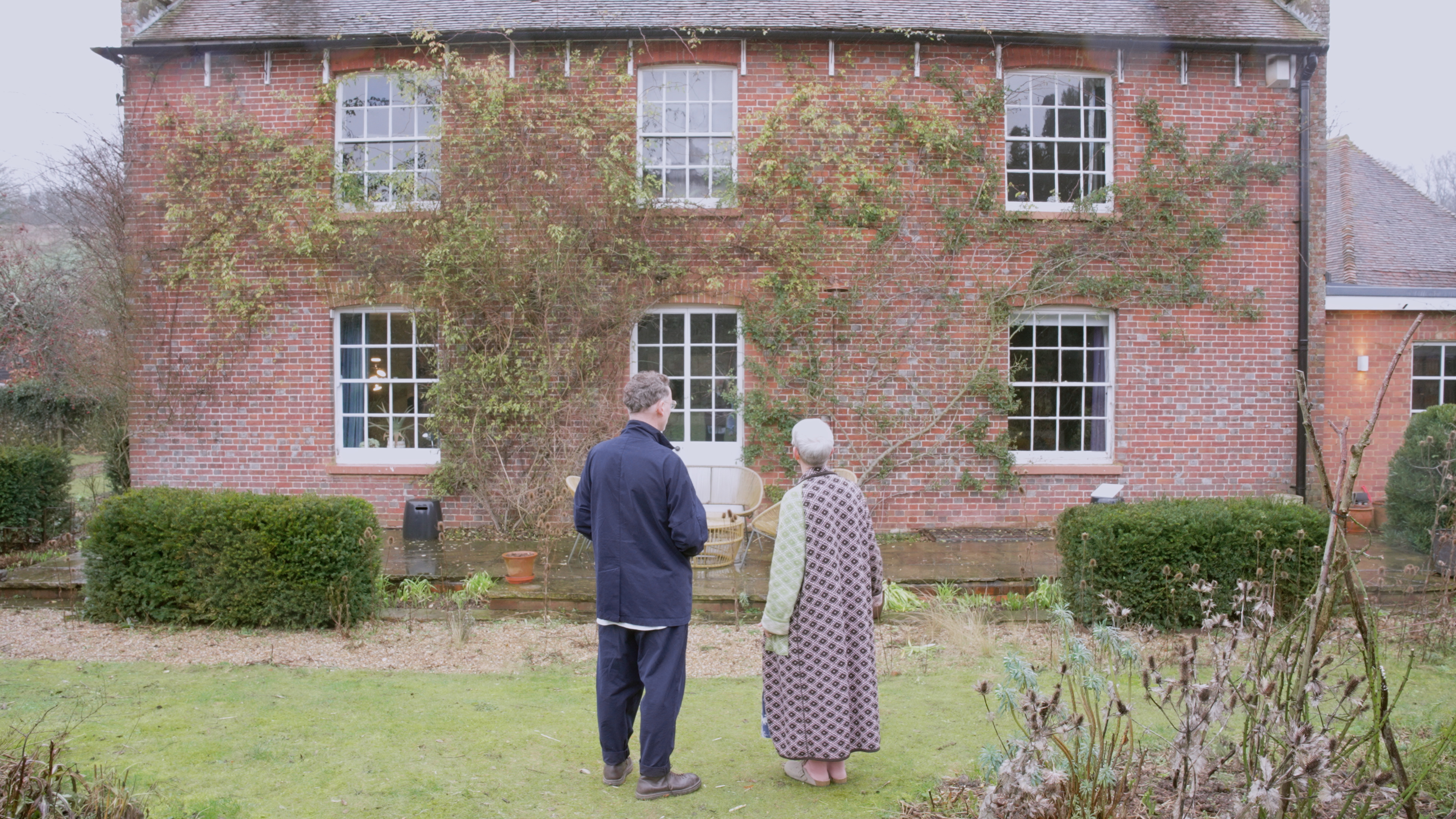
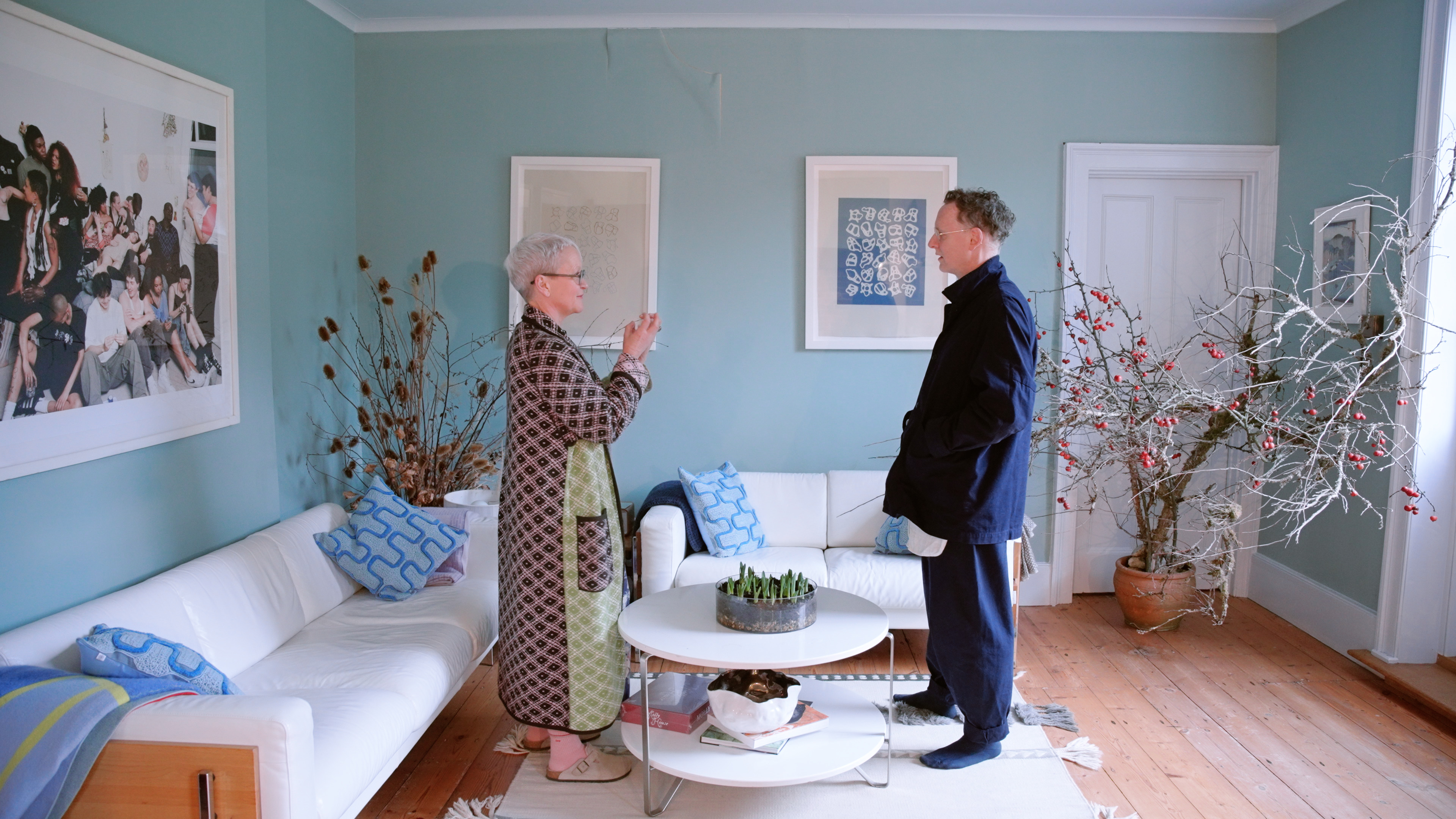
“Home isn’t about the furnishings or the rooms. It’s about the people that inhabit it and the love that is exchanged and made and fought over and found,” says Maria Balshaw, the director of Tate. In the latest instalment of the Homing podcast, she welcomes Matt into her “incongruously put together” home in Kent – its 14th-century core embraced by Georgian and more contemporary additions. Filled with mementos representing “the history of a life with art,” Maria reflects on her forever home ...

Films / Interiors
words
Holly Nicholas
Director of Tate Maria Balshaw on home as a container for life’s emotions

In the podcast, Maria remembers her childhood home on a new estate on the edge of Northampton as “a very practical house… it had almost no distinguishing design features, or aspirations to have any.” The daughter of a parks officer and a primary school teacher, Maria describes a “conventional but non-conventional family” who encouraged her to “pursue vivid imagination” and other worlds accessed via books, music and magazines.

As a teenager, her first solo visit to London’s galleries was both intimidating and awe-inspiring. Maria recalls a formative encounter with abstract artist Bridget Riley’s paintings at Tate: [her work] just blew my mind… I had no language for understanding what abstract art was even doing really, but I just thought it was amazing.”

Recognised by her family as a creative person who “always had flair”, Maria pursued a career in academia and the arts. She became the director of The Whitworth in 2006, and later the Manchester Art Gallery. In 2017 she was appointed as director of Tate – a role she will soon step down from after almost a decade to focus on family, gardening and “the other parts of life.”
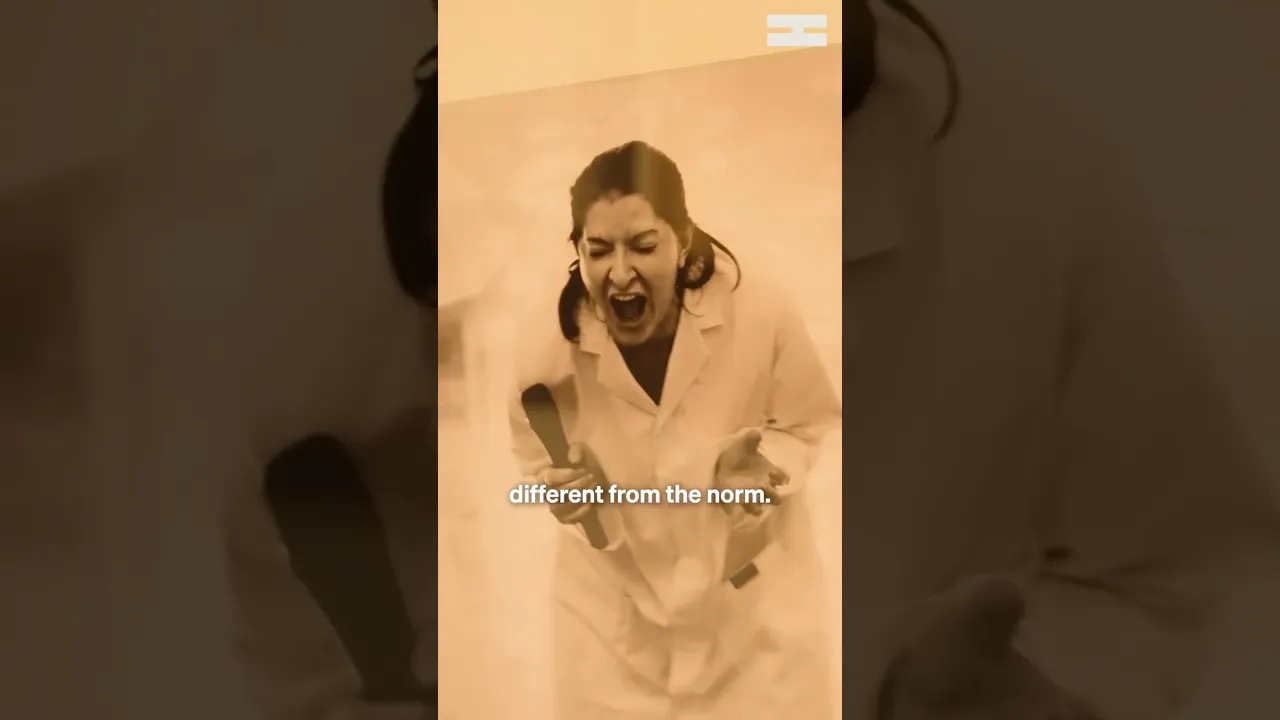
YouTube short preview

The directorship at Tate was the catalyst for a move from north to south with her husband Nick, a former museum director and archaeologist. Unable to afford a house in London large enough for their four adult children to visit, they bought a house in Kent, just a few miles from where Maria’s parents first courted in Wye.

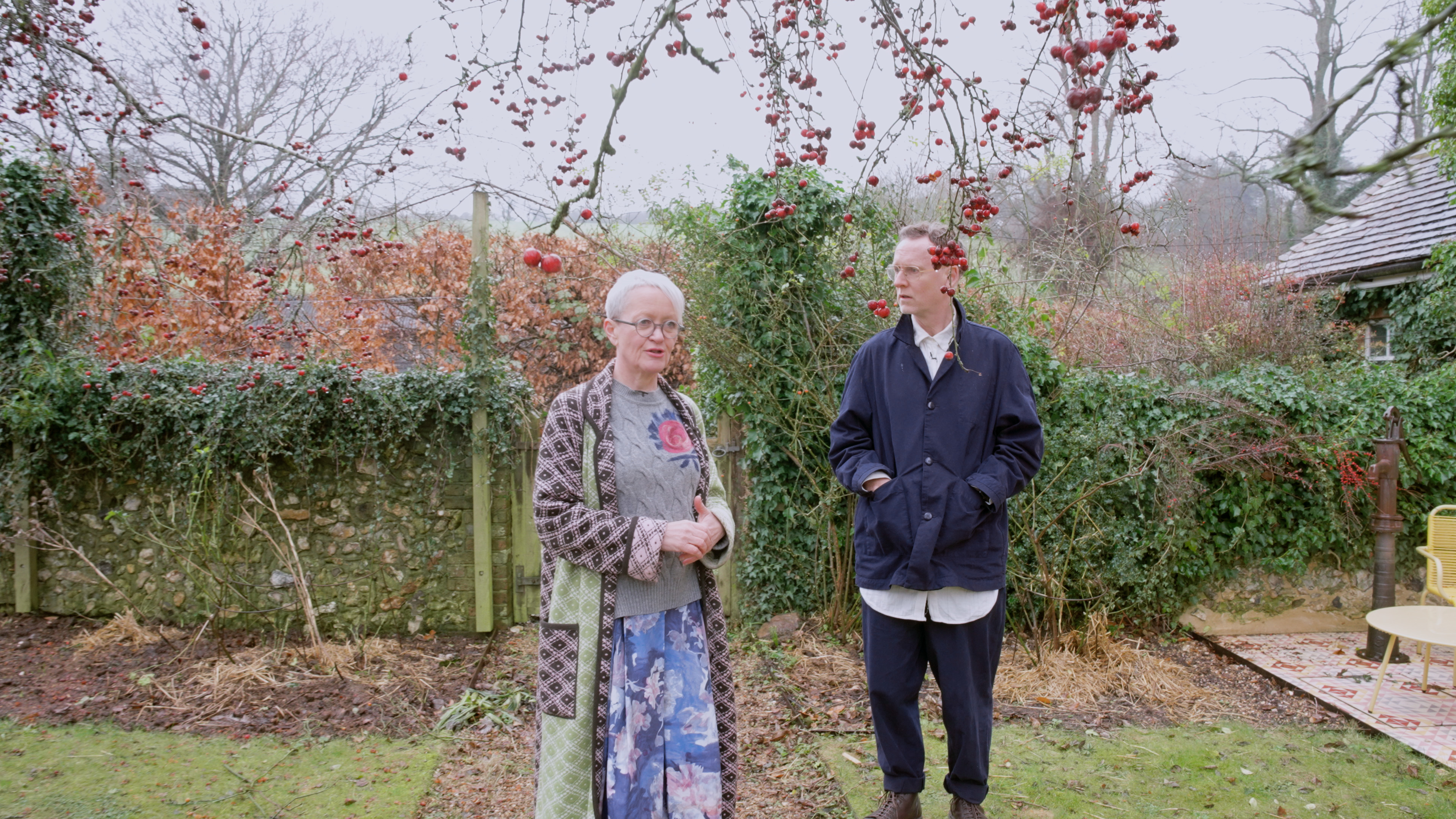
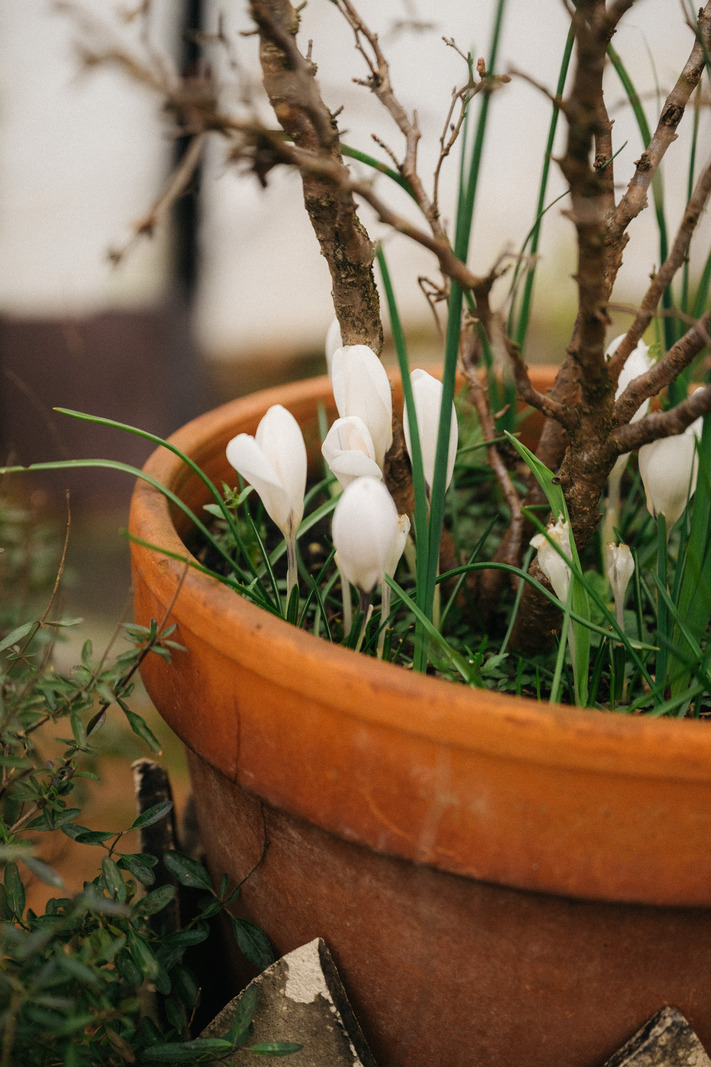
Although the house was “very unpalatable or unprepossessing when we first saw it, because it had become very overgrown,” it had a crucial non-negotiable: “a proper garden, real space for me to be able to garden in.” The house is embraced by two acres of gardens, with distinct zones inspired by Maria’s favourite British gardens. A gravelled front garden filled with hardy, heat-tolerant plants, references Derek Jarman’s Prospect Cottage, while verdant gardens at the side and rear of the house are inspired by nearby Sissinghurst and Great Dixter. For Maria, restorative activities such as gardening and swimming are a necessary counterbalance to her working life: “I need to get my hands dirty and I need to swim because [it] sloughs off all the stress of an urban working week.”

Nestled within the gardens is the house itself, which Maria likens to “a set of nested dolls, except the dolls wouldn’t fit inside one another because it’s a house of several periods put together really very incongruously.” Rooted in the 1300s, it was originally the court lodge for the nearby church, and sat within land owned by St Thomas’ Hospital in London. During this period, hospitals in the city managed land in the countryside to grow food, and used its trees to build houses.

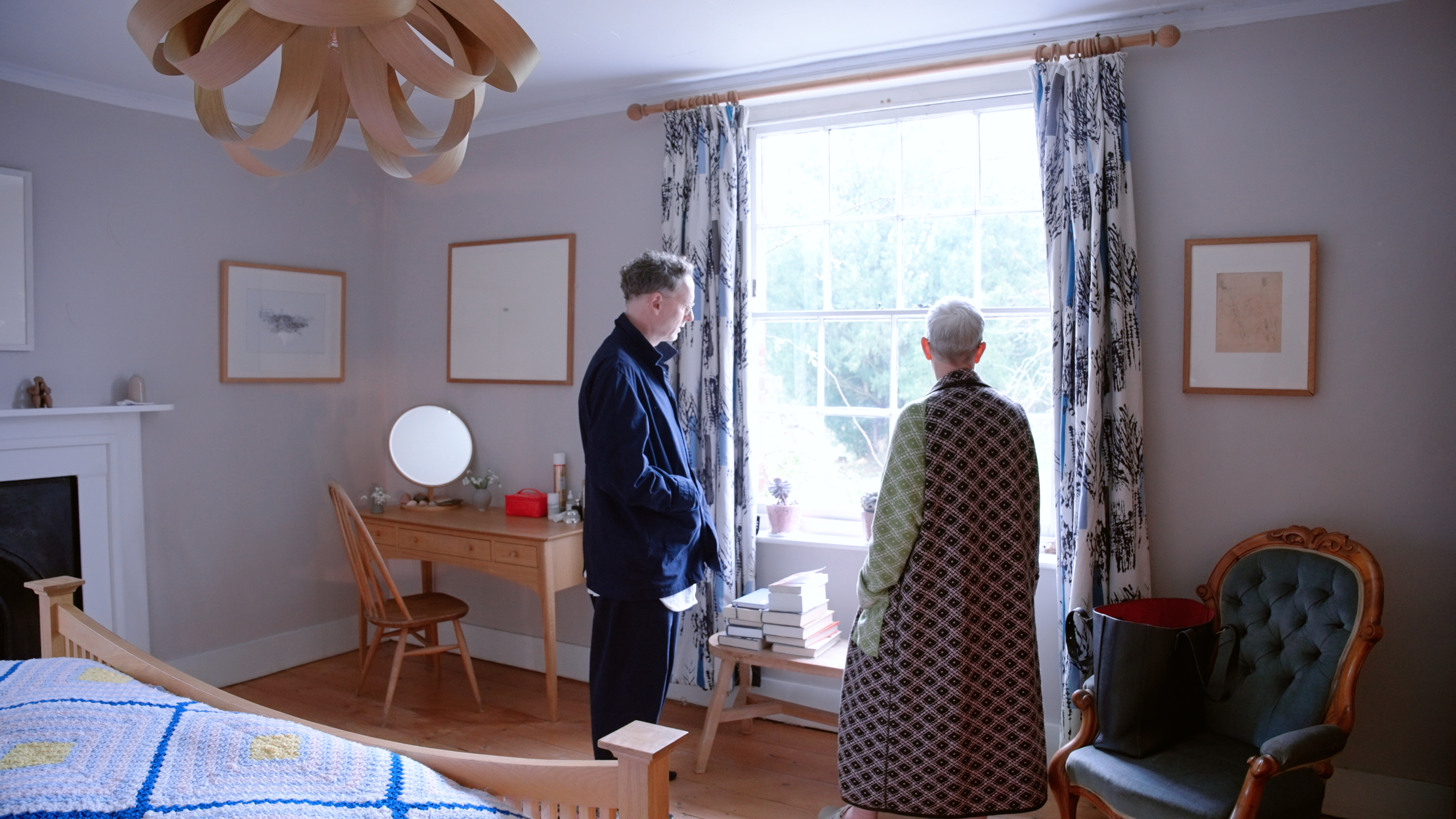
The house proudly retains its medieval bones, including an original fireplace and magnificent timber beams, the latter happily rediscovered after removing a mock-Tudor false ceiling on the first floor. Maria explains, “[the house] was extended in the early Georgian period, but they didn’t bother knocking down any of the previous [house]. They just wrapped a much bigger Georgian house around the original one.” The building is peppered with architectural details that tell the story of its long history. Pretty Georgian windows are juxtaposed with swathes of Crittall glazing - the latter installed in the 1950s, when the building was used as a farmhouse. (An exclusive video tour of Maria’s home and gardens is available for members on Patreon, priced at £6 per month.)

In its most recent incarnation as Maria and Nick’s home, she explains how it has acted as a “container” for life’s many experiences and emotions, including the loss of her parents. After being diagnosed with cancer, Maria’s mother spent her final days in the house, a setting that “gave [her] a way of going gently into the next world.” Maria explains how the experience “really deepened a sense that I already had that the home isn’t about the furnishings or the rooms. It’s about the people that inhabit it and the love that is exchanged and made and fought over and found.” She reflects, “Home is very significant for me, and I hope I’ve got many more decades to see the richness that is about me and the chosen families that gather here, and for all of that to deepen.”

Forthcoming episodes of Homing feature the artists Sue Webster, David Shrigley and Sam Taylor-Johnson. Subscribe to Homing or become a member of Patreon and as always, happy listening.

Maria Balshaw on home, family and a life with art

Listen here
Director of Tate Maria Balshaw on home as a container for life’s emotions