InigoInigo Logo

The Designer's Toolbox: Patrick Williams

In the latest edition of our Designers’ Toolbox series, we asked Patrick Williams, founder of the architectural design practice Berdoulat and author of The House Rules, to share some of the tools of his trade that define his daily life and work. From the perfect pot of glue to a little-known antiques emporium in deepest Gascony, he names the makers, products, places – and pastries – that lift his working life ...

Homes / Pursuits
words
Patrick Williams
The Designer's Toolbox: Patrick Williams

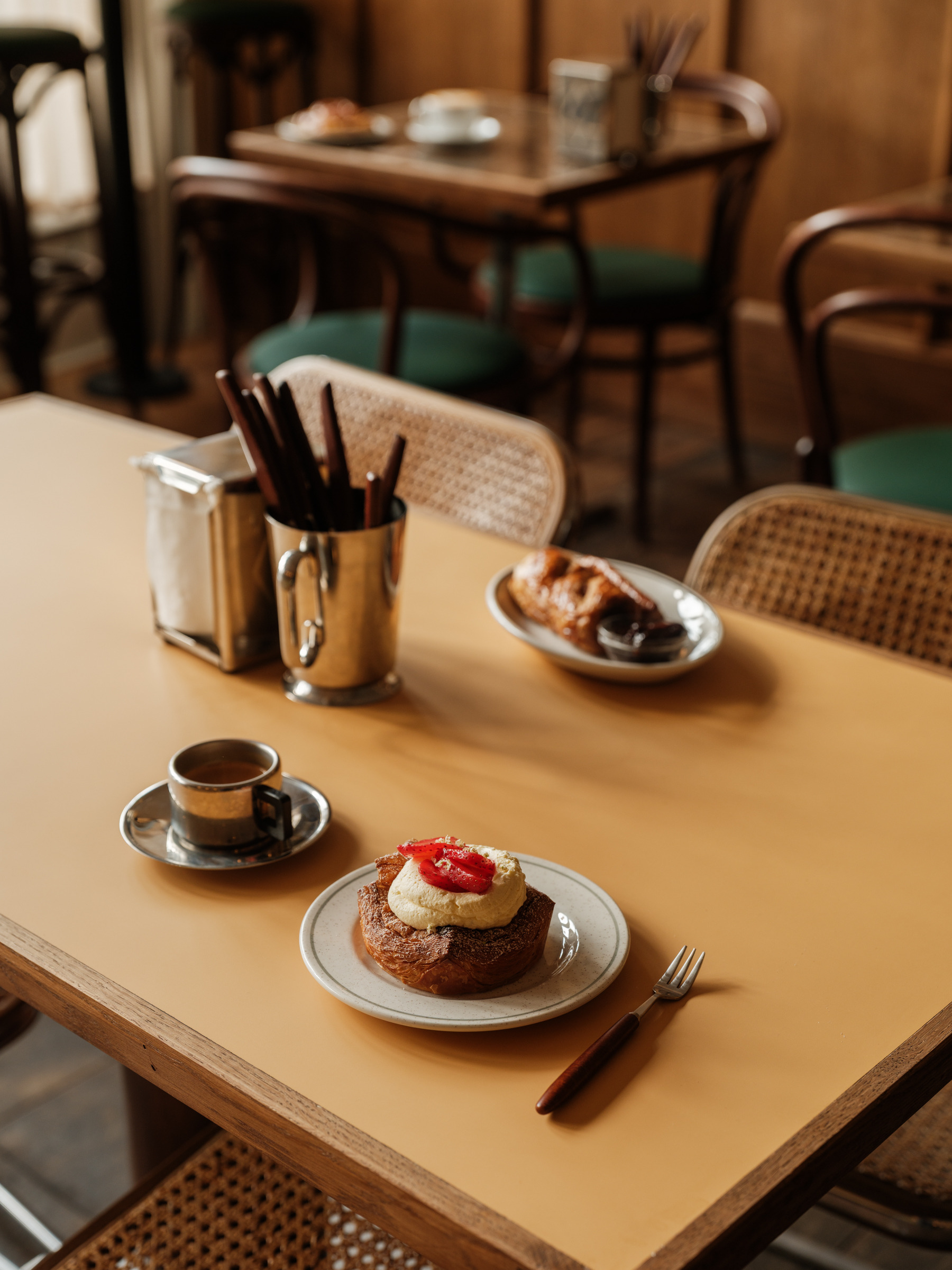
Elevenses at Landrace

I start my day at 5am, fuelled only by coffee, as I am not usually hungry for the first few hours of the day. Come mid to late morning, I am in need of fuel, and like to head to Landrace, our local bakery. They care deeply about the ingredients they use, right down to the flour, which is made from UK-grown grains and ground in their own flour mill. The array of freshly baked treats spanning the counter as you enter is hard to choose between. The cinnamon buns are famous and certainly a favourite, but their savoury offerings are remarkable too – in particular the fennel seed-studded sausage rolls.

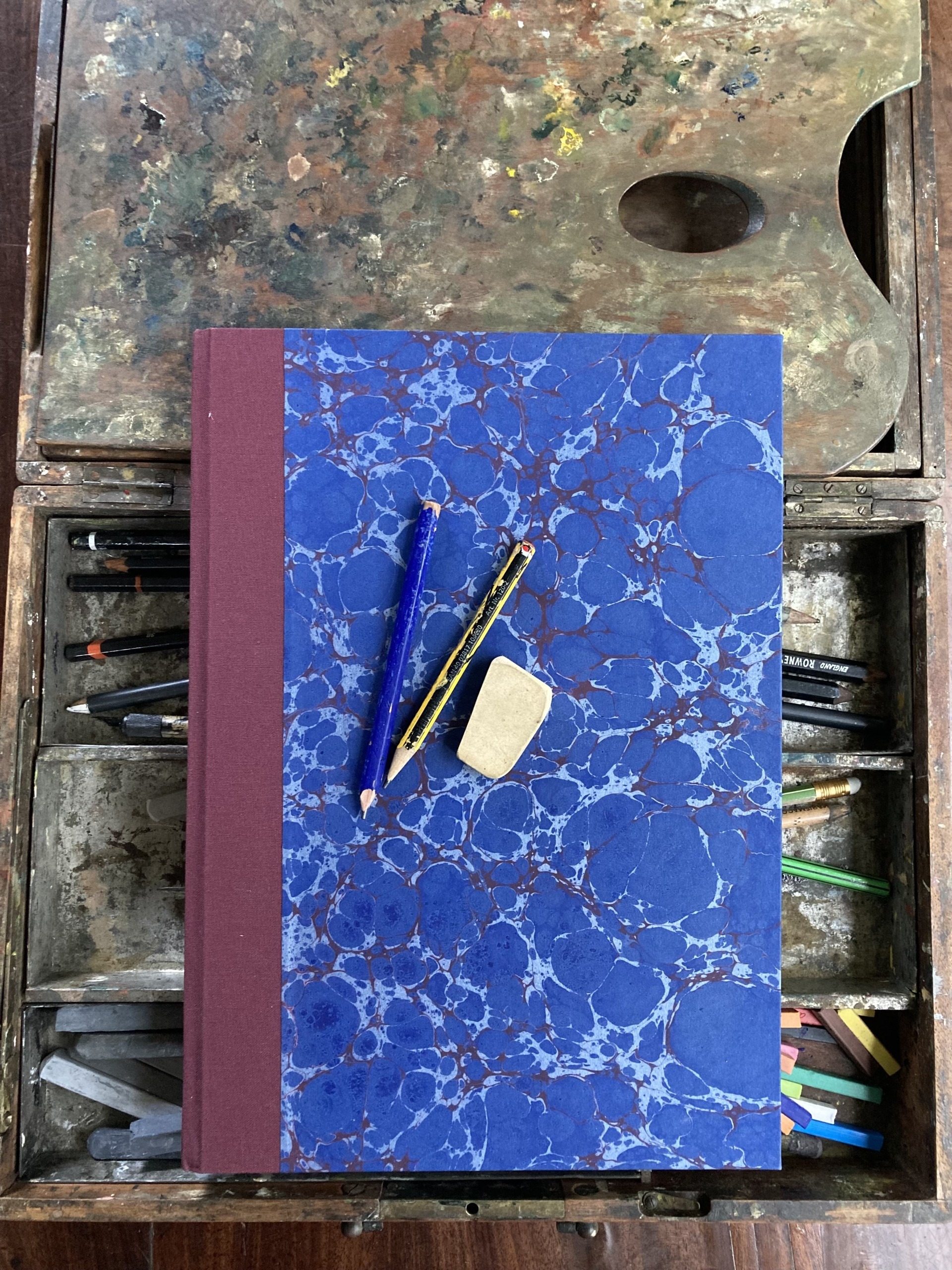
Compton Marbling in Tisbury is one of the UK’s oldest marbling centres, housed in particularly beautiful restored 19th-century farm buildings set around a walnut tree. Our dear friend Al Lewis runs the place with his business partner (and daughter of the company’s founder) Clem. They produce a whole range of products from lampshades to paperweights, but my favourite has to be their notebook. Available in several sizes, I opt for A4 and A5 versions.

Un Coin du Passé antiques

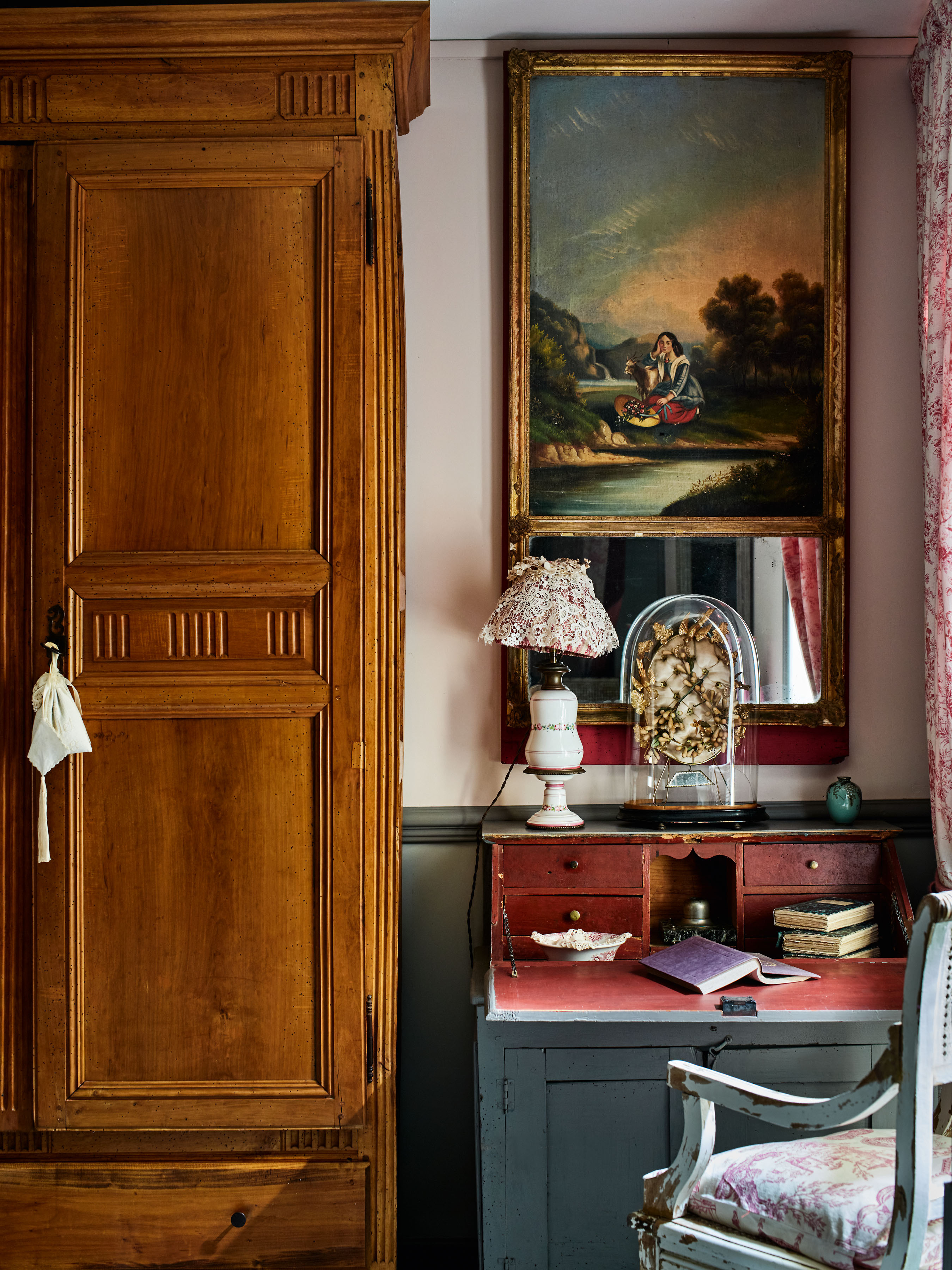
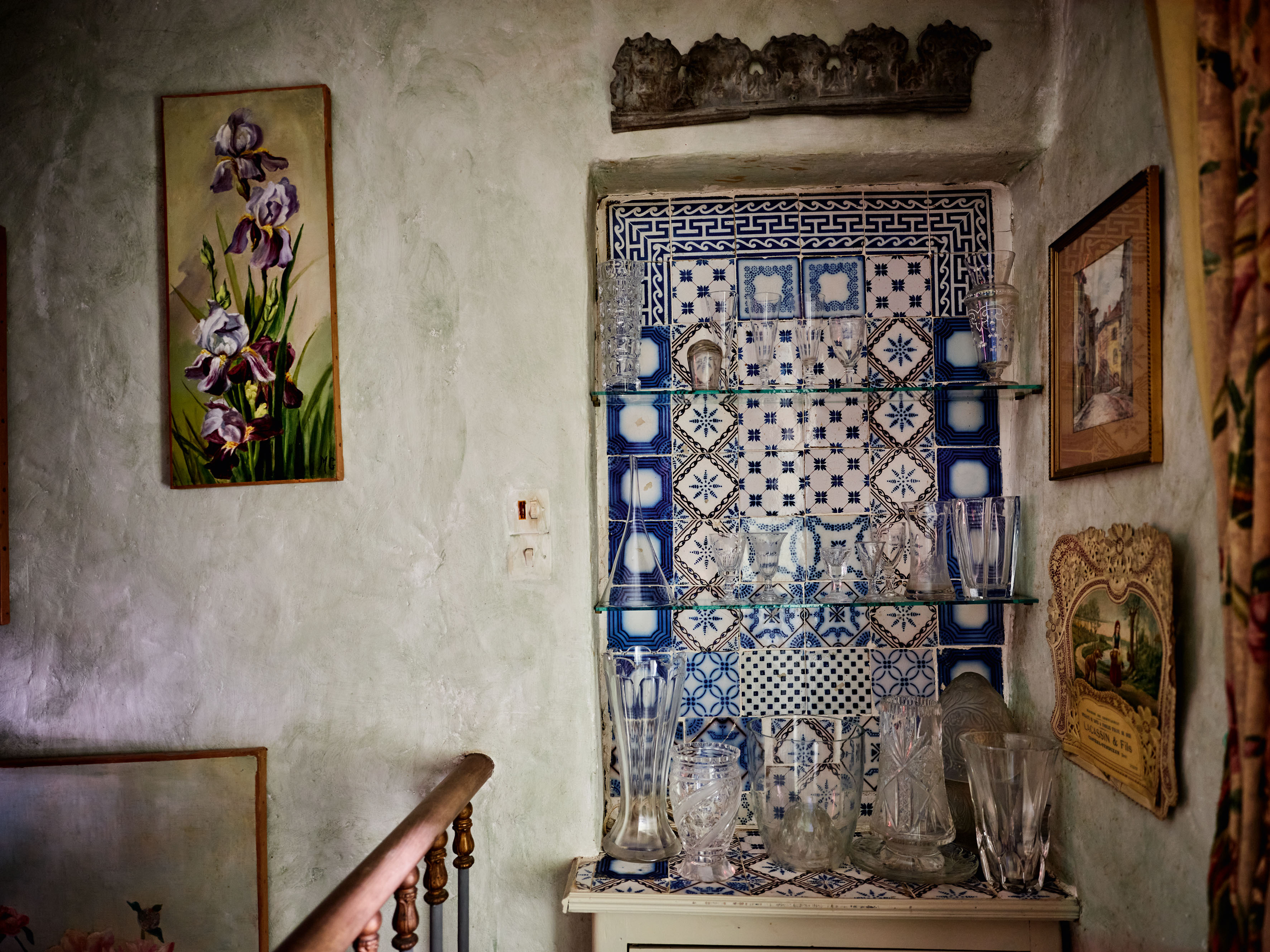
In a sleepy village in Gascony, Un Coin du Passé, an antiques shop run by our dear friends Didier and Sylvette, is a veritable treasure trove. Indeed, so dear are they that I call them my French parents. I try to visit as frequently as possible. A thorough browse of their utterly beautiful, jam-packed shop, with its ever-changing carefully curated contents, is followed by delicious food and Armagnac-fuelled card games by the fire in their upstairs apartment. So often I need a little missing ingredient of some sort in a project, and Didier will be my first port of call. It might be a little hand-forged nail, a hinge, a porcelain crimp-edge lampshade. He has storerooms behind the shop dripping with such things.

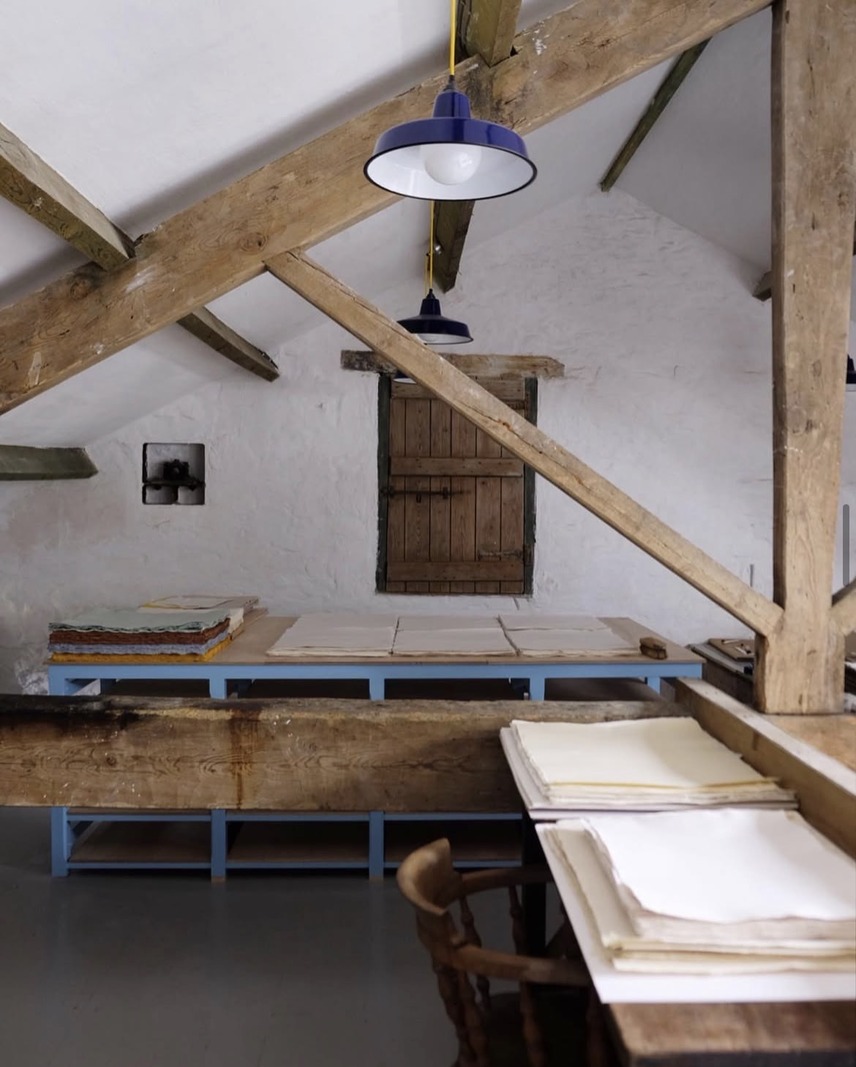
Paper Foundation paper

I have increasingly started to draw by hand, taking designs off the computer screen and onto the page. It’s interesting how working in this way affects the design, and allows me to think more clearly about how a piece of furniture, for example, might be put together, and might feel to the touch. The physical process enables you to connect more intimately with what’s being plotted out on the page, and engages the body via the hand and the pen’s nib so much more, compared to a cursor being dragged across a screen by a finger and thumb on a trackpad.

Paper Foundation paper is all handmade in the Lake District using hemp, linen, cotton, and abaca as opposed to wood-based pulp, and is a work of art in itself, before anything has been drawn on its surface. It’s available in several shades and weights to suit one’s needs.

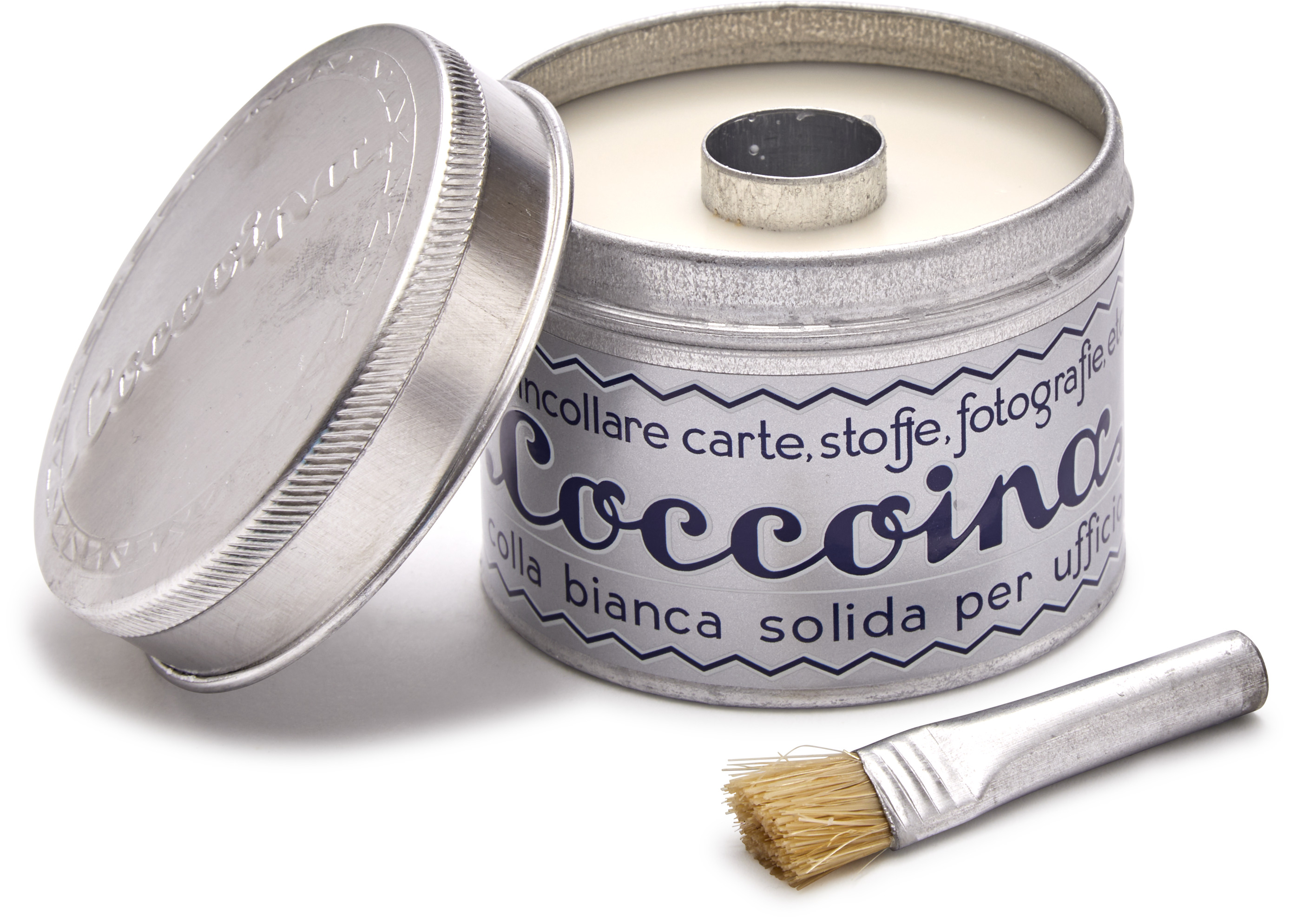
One of my all-time favourite stationers, Choosing Keeping in London’s Covent Garden, sells this wonderful Coccoinaglue made from potato starch and almond essence. I use it as one might Pritt Stick, to mount proposal sketches, or glue inspiration images into sketchbooks, etc. It has a delicious aroma (I am addicted to marzipan, frangipane and all things almond related) and comes in a doughnut-shaped tin. The hole at the centre of the tin houses a tiny little brush that is used to apply the surrounding paste.

I detest LED lighting, in more or less all shapes and forms, and long for the soft glowing incandescent days! Human evolution has seen the use of fire, followed by candles, oil and gas lamps, then electric filament bulbs for evening lighting. All produce a similar colour temperature, one which our eyes naturally feel comfortable with.

LEDs on the other hand produce a sharp, harsh, cooler light – even “warm white” ones. They seem to flicker too, at breakneck speed. This makes me feel nervous, and ill at ease. Consequently, I resisted using LEDs in my home for as long as I could, buying dead stock filament bulbs on the internet, or bringing as many as I could fit in my suitcase from foreign countries where one can still find them. For a while, the closest an LED got to our home was an encroaching street lamp outside. Despite letters to the council, they insisted on lighting our city of Bath, a World Heritage Site, using 2700k lumens LEDs, much cooler in temperature compared to the low pressure sodium lamps they replaced.

Over the last decade or so, manufacturers of LED light bulbs have tried to emulate filament fittings, both in their design and the quality of light they emit. The majority have got it so wrong, with sickly yellow light, and explicit winding coils that look like eccentric pasta shapes when the light is off. I am so pleased to have found these guys, who make lovely simple-looking globe bulbs, and offer a tinted glass too, which produces a lovely soft glow. I now use these in my studio, turning them on when the last bit of natural light has vanished.

I use one of these on a daily basis, to cart around my laptop and samples to present to clients. It’s just big enough for a short site visit abroad too. In fact, there is a genius little passport-sized zipped pocket on the side, so as you go through border control you don’t have to take the bag off your shoulders to reach your paperwork.

The strap at the top allows you to fold and secure the open top at different levels, whether full or relatively empty. It’s a lovely design, and after a couple of years’ use, mine has started to wear beautifully with scuffs and creases in the waxed cotton producing welcome patina.

Japan House London, in one of my favourite London Art Deco buildings, is a vital pit stop whenever I am in South Kensington. Upstairs you’ll find exceptional Japanese food at Akira, and at ground and basement levels there are often wonderful temporary exhibitions, alongside retail. They sell this CDT Brush Sign variety of my preferred Pentel pen. Available in several colours, by default I use brown ink for all note taking and onsite sketching.

Music

While sometimes silence is vital, I do often listen to music while I work. I find that certain bands, songs or pieces complement different types of work. Sometimes one album will become “the album” I associate with a given project. When I wrote my book, all I listened to was Georg Muffat’s Armónico Tributo, which has to be my favourite piece of music full stop, by some margin.

If drawing a reflected ceiling plan or wiring diagram for a building, I might listen to something fairly dark, like The Cure. If I need to think more creatively, I may select something more uplifting, such as the Traveling Wilburys. Mundane contract writing and spreadsheets require something with roots, like Andy Irvine.

Accounting soundtracks cannot contain any distracting lyrics and must somehow promote precision. As the process is so often a question of repeating the same exercise over and over with slight variations, it’s perfectly paired with Bach’s Goldberg Variations. For me, it has to be Gould’s recordings of them.

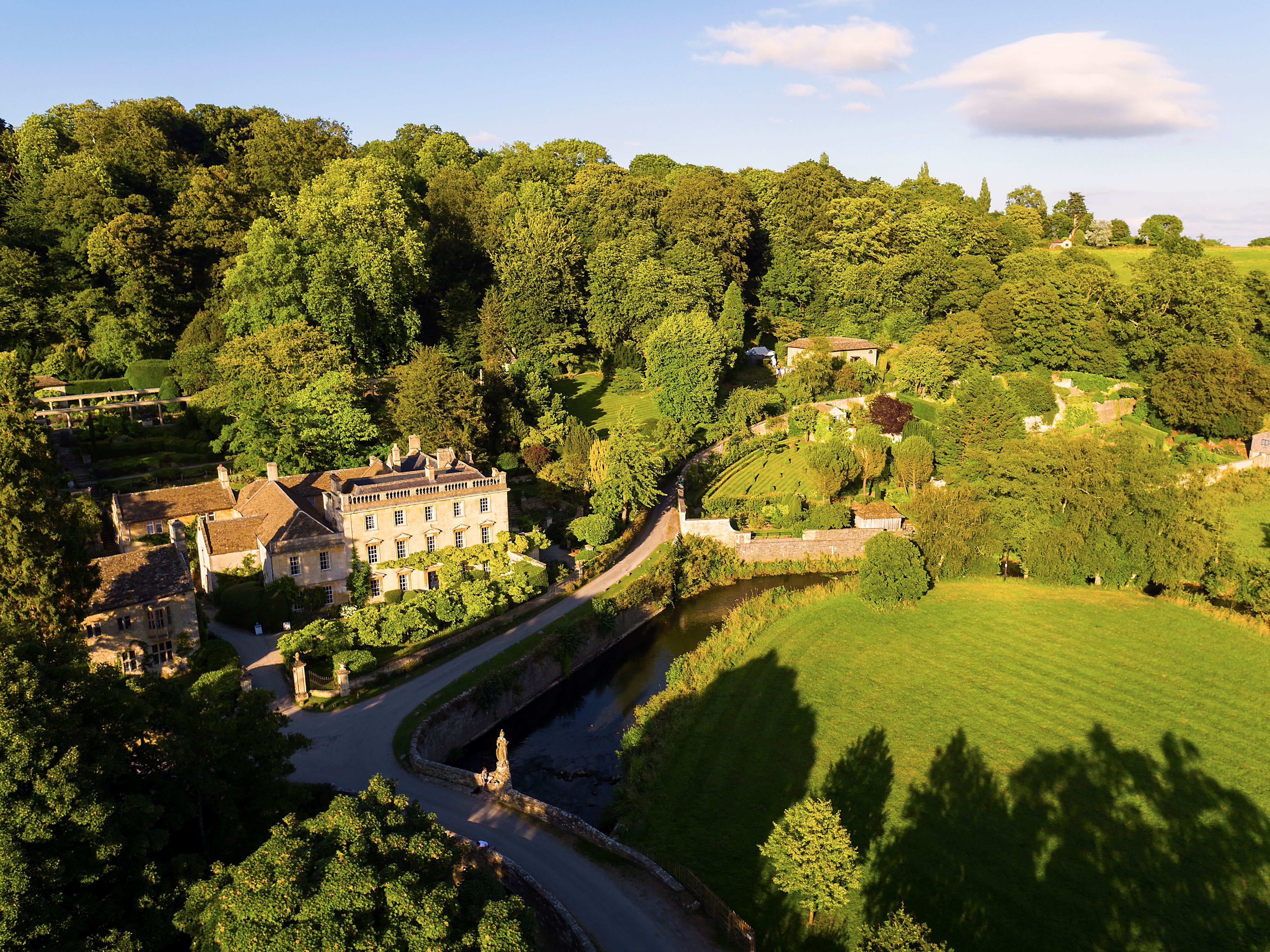
A walk in nature at Iford Manor

When I cannot focus, when I am struggling to pull together a design scheme, when I’m just really bored of scrolling for the right wall lantern, I find a walk in nature is a wonderful way of pressing the reset button. I take the dogs and drive to nearby Iford Manor. From here the fast-flowing River Frome leads to fields flanked by magnificent trees that do their thing all year round. You then reach magical woodland, a farm on the site of an ancient friary, a water mill, and if you keep going far enough, a great pub.

Patrick Williams lives in Bath, Somerset, with his wife Neri and two daughters Wren and Bonnie. They founded Berdoulat, a homewares, furniture, interiors and architectural design practice, 20 years ago. Berdoulat is renowned for its considered renovations of period homes, including the restoration of a studio house at Brook Cottage in Wiltshire, previously sold by Inigo. Current projects include the design of a home and agricultural tourism site in Utah, as well as the recent release of Patrick’s first book, The House Rules (Penguin). The book is a visual exploration of his practice that charts the evolution of Berdoulat and features an array of its impeccable interior projects. Patrick is a committee member of The SPAB for Bath and Bristol, and a visiting lecturer and tutor on the Interior Design course at Bath Spa University.

berdoulat.co.uk; @berdoulat_interior_design


Photography credits: Landrace, photography © Dave Watts/Compton Marbling, photography © Alex Lewis/Paper Foundation, photography © Tom Frith-Powell/Choosing Keeping/Brooks England/Iford Manor, photography © Simon Knight/The House Rules by Patrick Williams (Quadrille, RRP £40), photography © Andrew Montgomery


Feeling inspired?

Subscribe