The Grand Tour
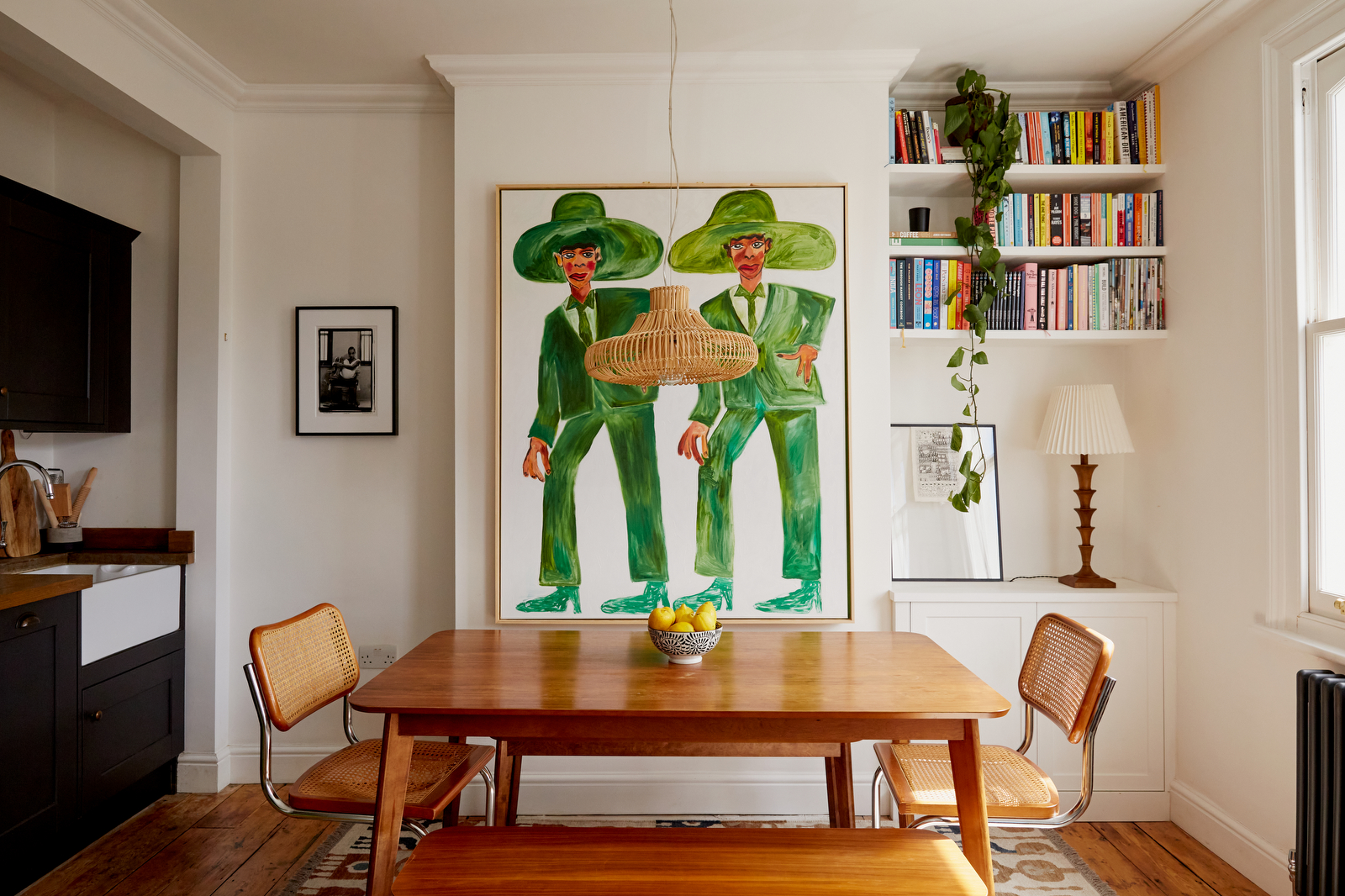
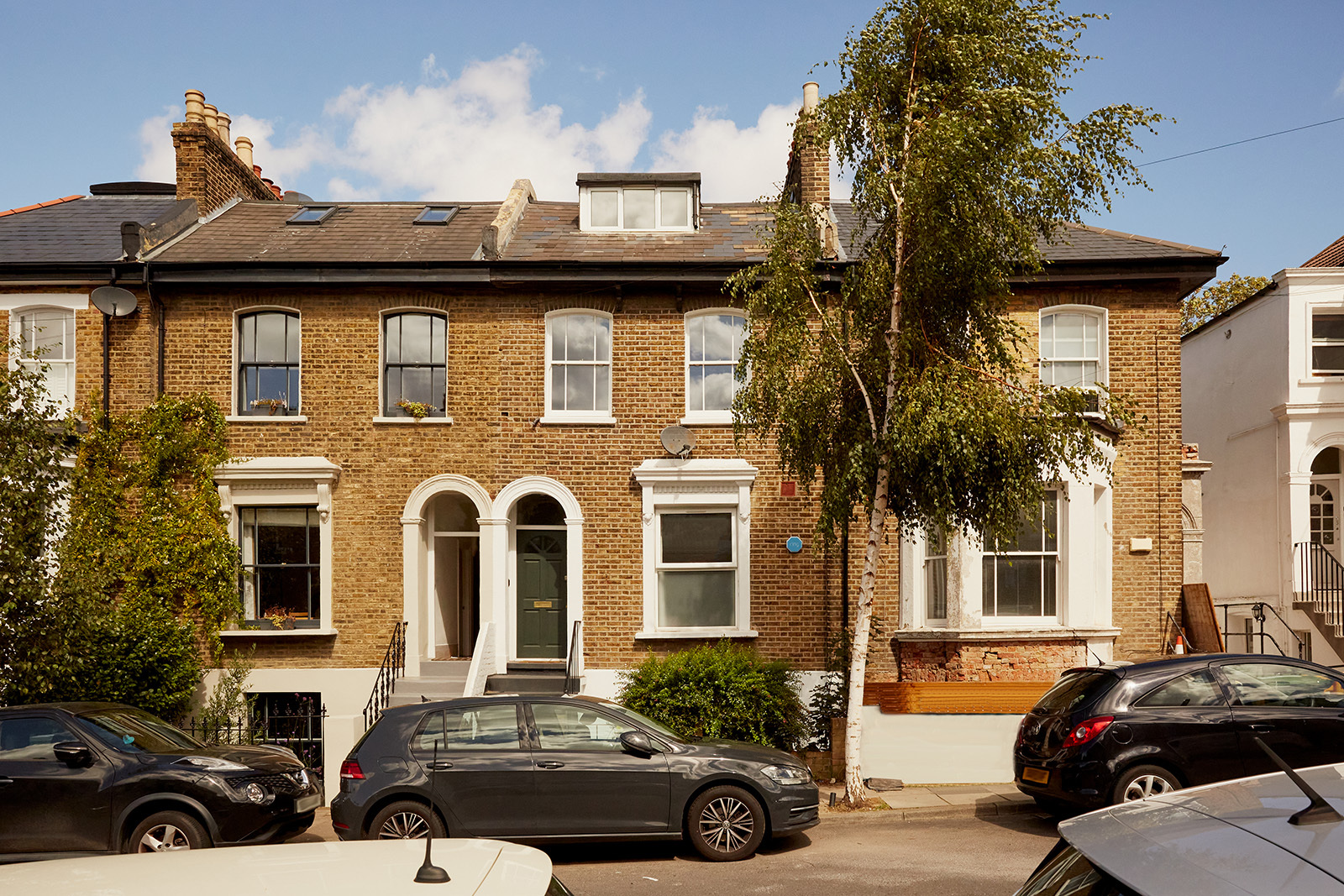
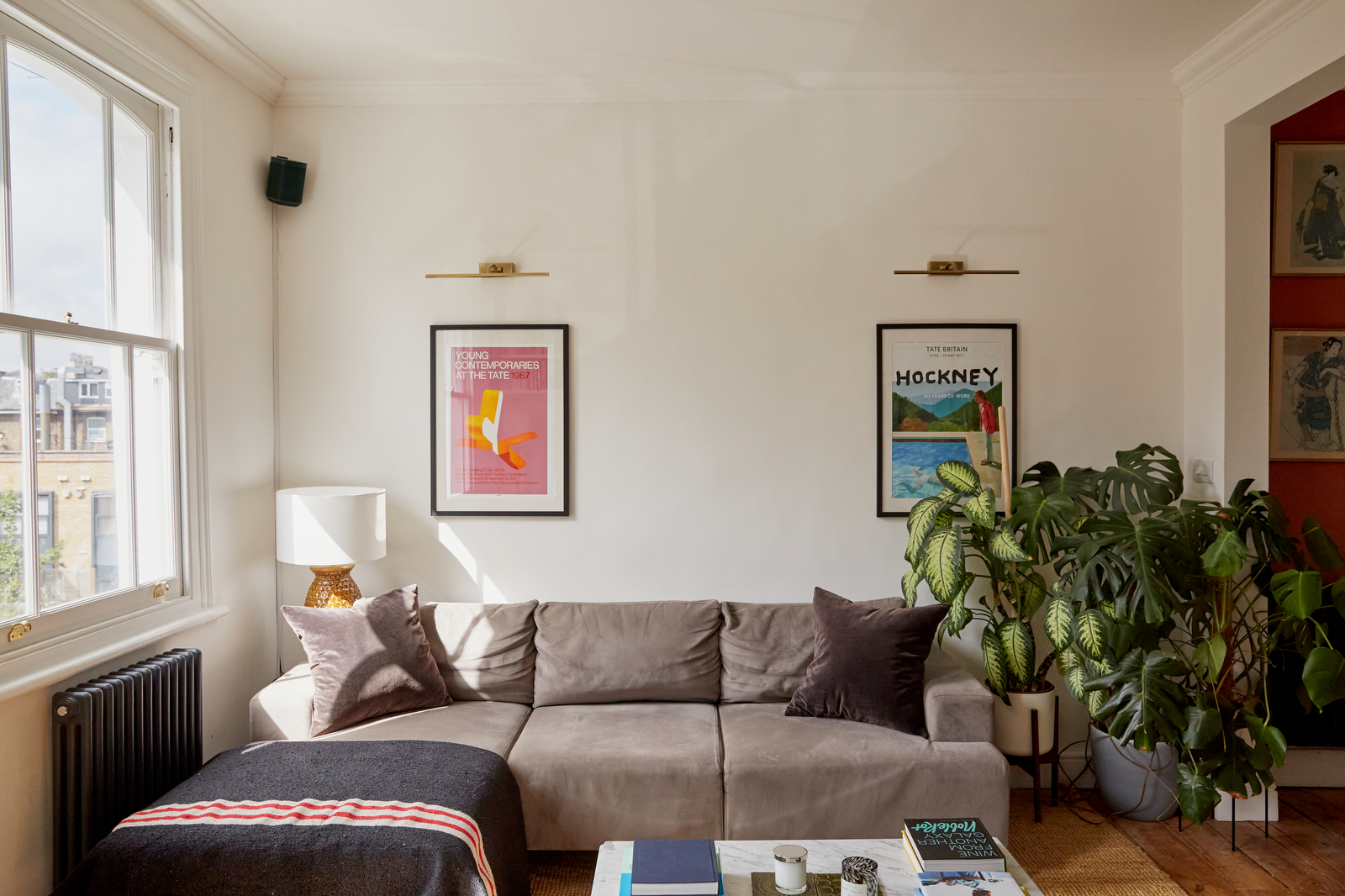
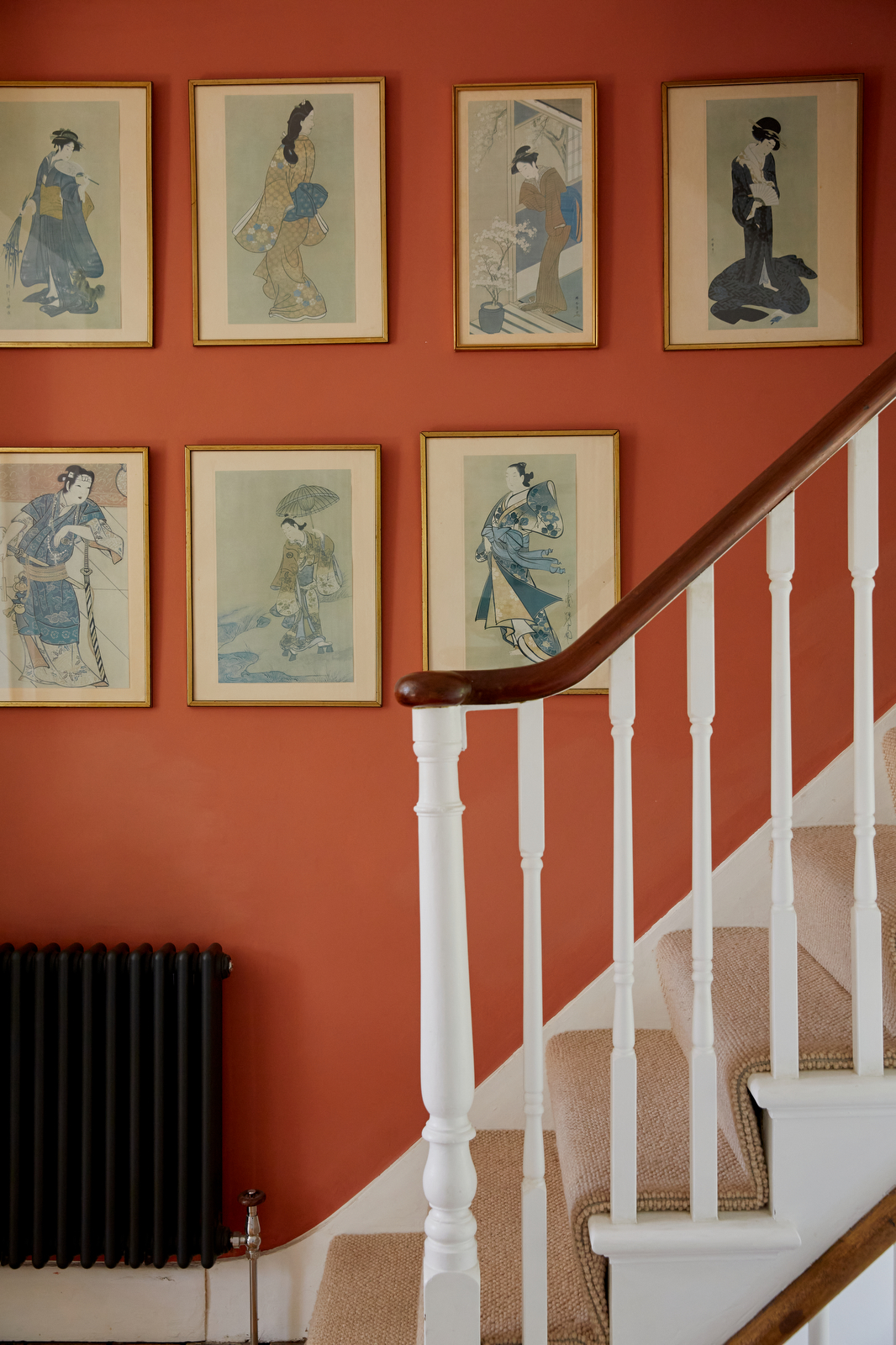
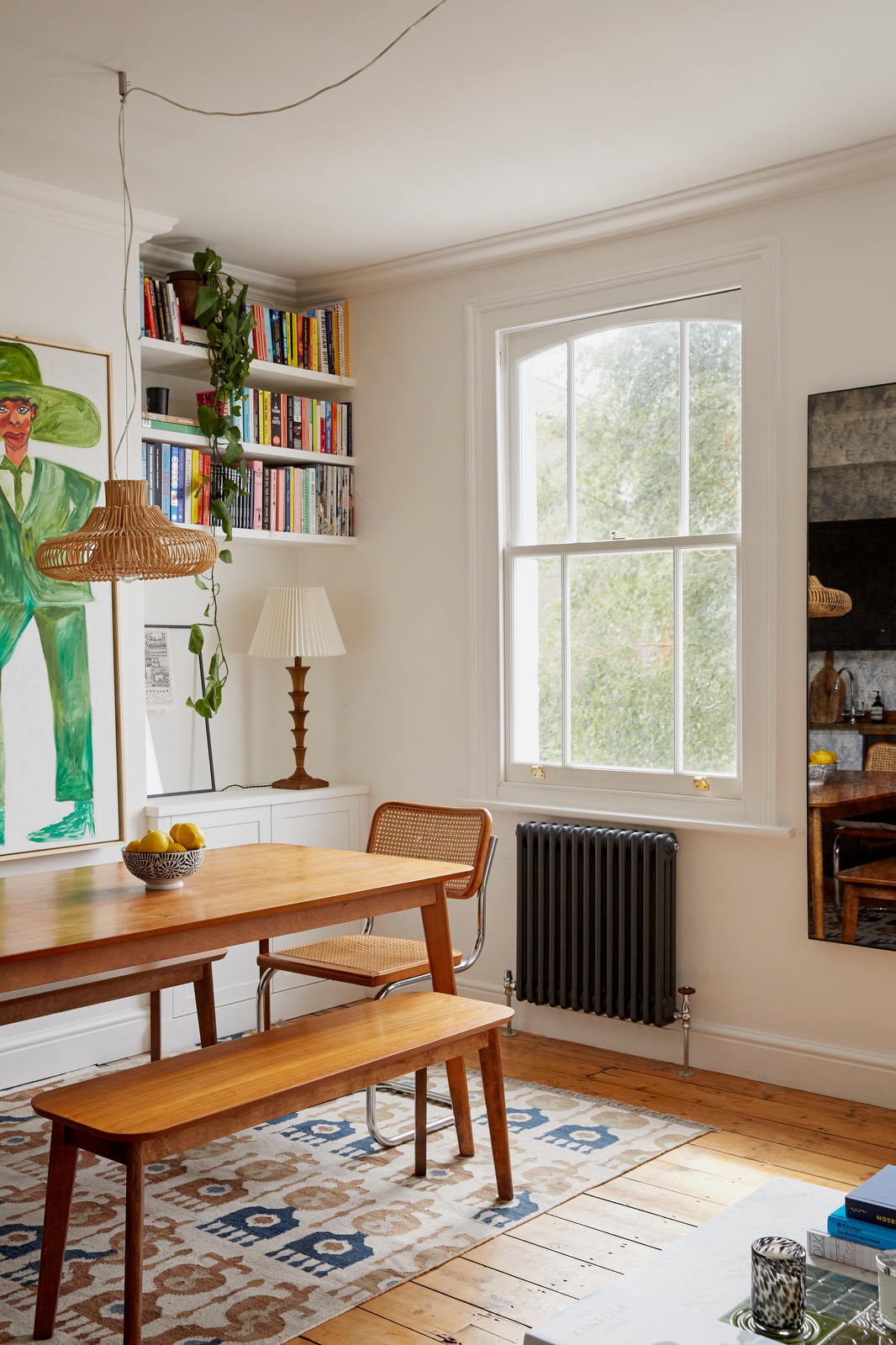
The front door to this maisonette is at the top of a short flight of steps, and is framed by a stucco moulded archway. The door opens directly to the hallway, which is ideal for keeping boots, jackets or a bicycle. From here, a staircase winds past a large sash window, with views over the leafy surroundings, to reach the first floor. A generous living space to the front of the plan opens seamlessly from the landing, painted in ‘Red Earth’ by Farrow and Ball to accentuate the elegant Victorian proportions. Light floods through two margin light sash windows, illuminating the original pine floorboards that run underfoot. Below the windows, the current owner has arranged a sitting area as well as a space for dining. This room’s open plan makes it the perfect place for hosting guests. At the other side of the room there is a well-appointed kitchen with dark-painted timber cabinetry and a solid oak worktop. The kitchen is fitted with a large Belfast ceramic sink, an induction hob and a dishwasher, making an excellent space for cooking.
One double bedroom sits on the first floor, with views of mature trees towards the rear of the apartment. A staircase with white balustrades and a mahogany handrail rises to the floor above, where a second double bedroom and a bathroom are arranged. Tucked in the eaves of the building, soft light falls through a dormer window that peers over the rooftops of Brockley, imbuing the room with a warm, cosy atmosphere. Here, built-in wardrobes and skirting board profiles have been painted in ‘Green Smoke’ to complement the ‘Lime White’ walls, both by Farrow and Ball. Next door is the bathroom, with white-painted floorboards and walls in a hue of deep blue. The shower room is fitted with a Burlington sink and fittings that reflect the period origins of the apartment, and at one side of the room there is a generous tiled shower.
Out and About
Cranfield Road is a short walk from the coveted cafés, restaurants and bars near Brockley station, including the reputable Browns of Brockley coffee shop, Joyce natural wine bar, L’Oculto, for tapas, and Good as Gold. Brockley has the feel of a self-sufficient town with all the associated amenities available.
Hilly Fields is a 10-minute walk away. With expansive green spaces and elevated views across the capital, as well as a café, playground, nature reserve, tennis courts and basketball courts, it is arguably one of the finest parks in South London. Brockley & Ladywell Cemetery is also within easy reach, spanning 37 acres of beautiful green space protected within the Brockley Conservation Area.
There is a renowned farmers’ market every Saturday at Brockley Market, offering a wide range of organic produce alongside food trucks and wine merchants. Nearby Deptford, recently voted one of the world’s coolest high streets, has plentiful shops, restaurants and cafés.
Deptford Market Yard, a recently launched collection of independent shops and restaurants set within and around Deptford’s refurbished railway arches, is nearby. Goldsmiths University is within walking distance and will soon open the doors to its new gallery, which was designed by Turner-prize-winning architects Assemble.
The apartment is in easy walking distance of three stations. St Johns station is just 15 minutes on foot and runs direct services to London Bridge (for the Jubilee and Northern lines) and Cannon Street (for the Circle and District Lines). Brockley station, less than a five minute walk away, runs overground services run to Canada Water (for the Jubilee line), Shoreditch and Whitechapel. Brockley station also runs direct services to London Bridge in around 10 minutes via Southern Rail. Lewisham, approximately a 25–minute walk away, operates the DLR for connections to Canary Wharf, Bank and National Rail services.
Tenure: Share of Freehold
Lease Length: approx. 998 years remaining
Service Charge: £380 per annum
Council Tax Band: C

 Related Stories