The Grand Tour
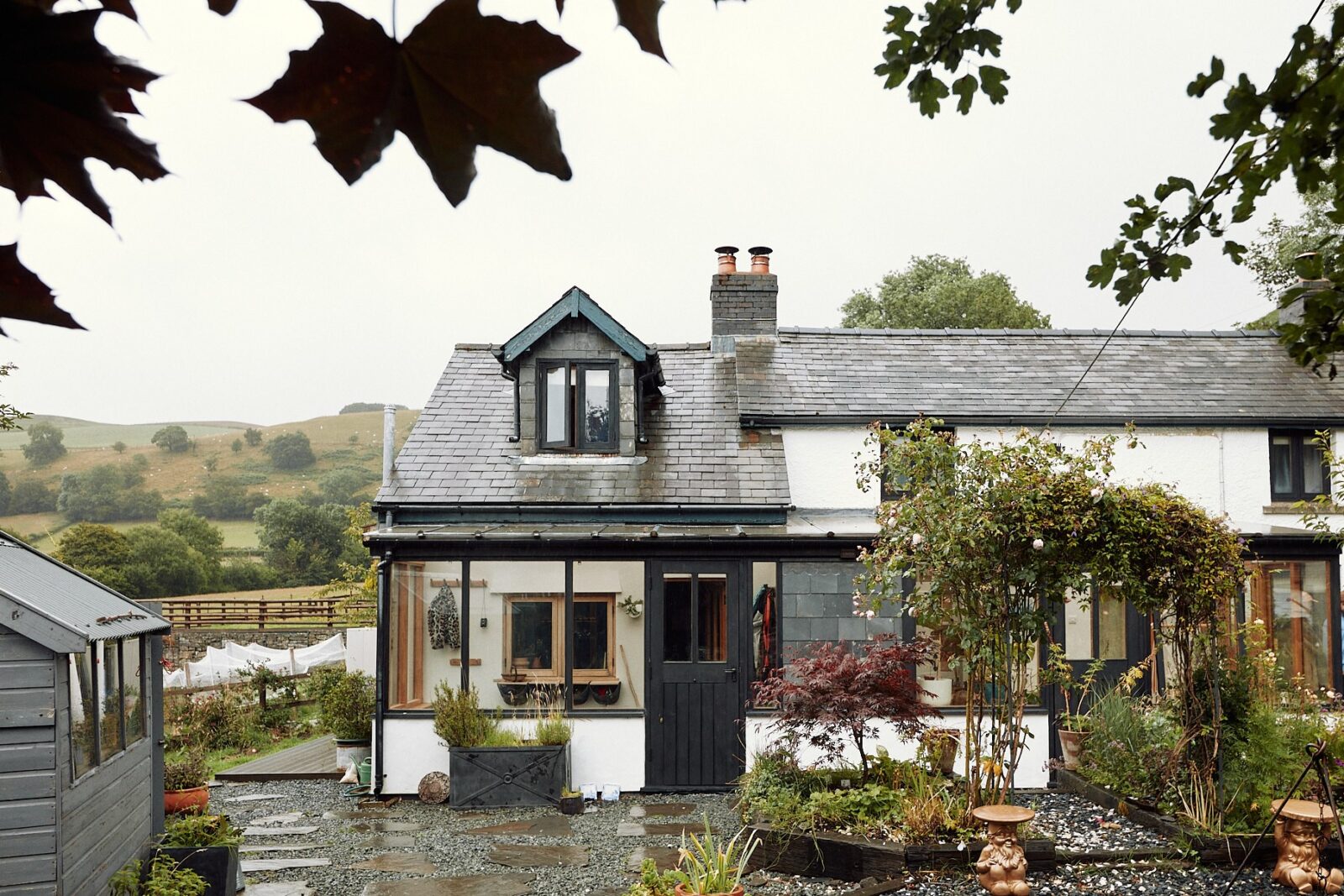
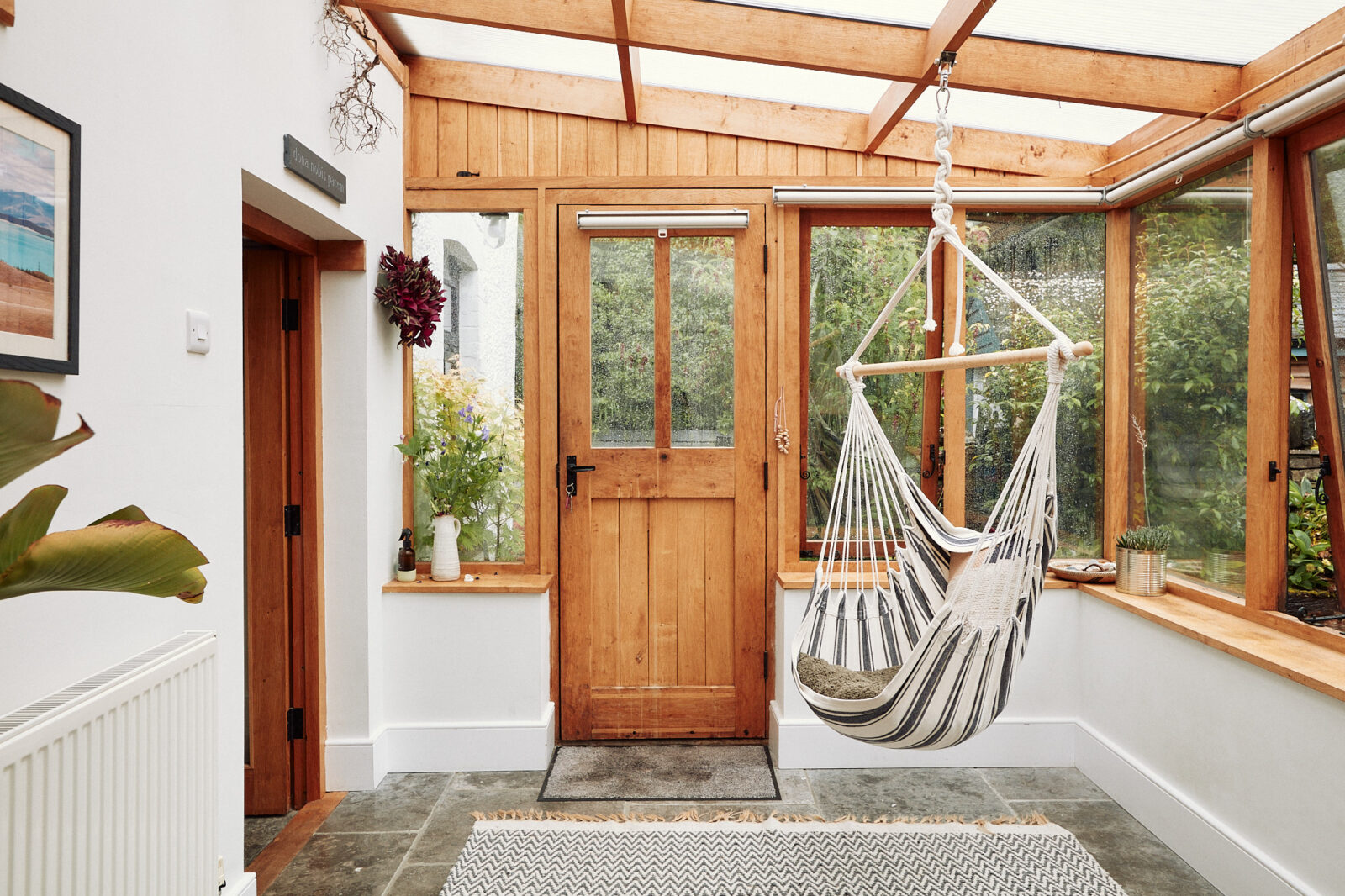
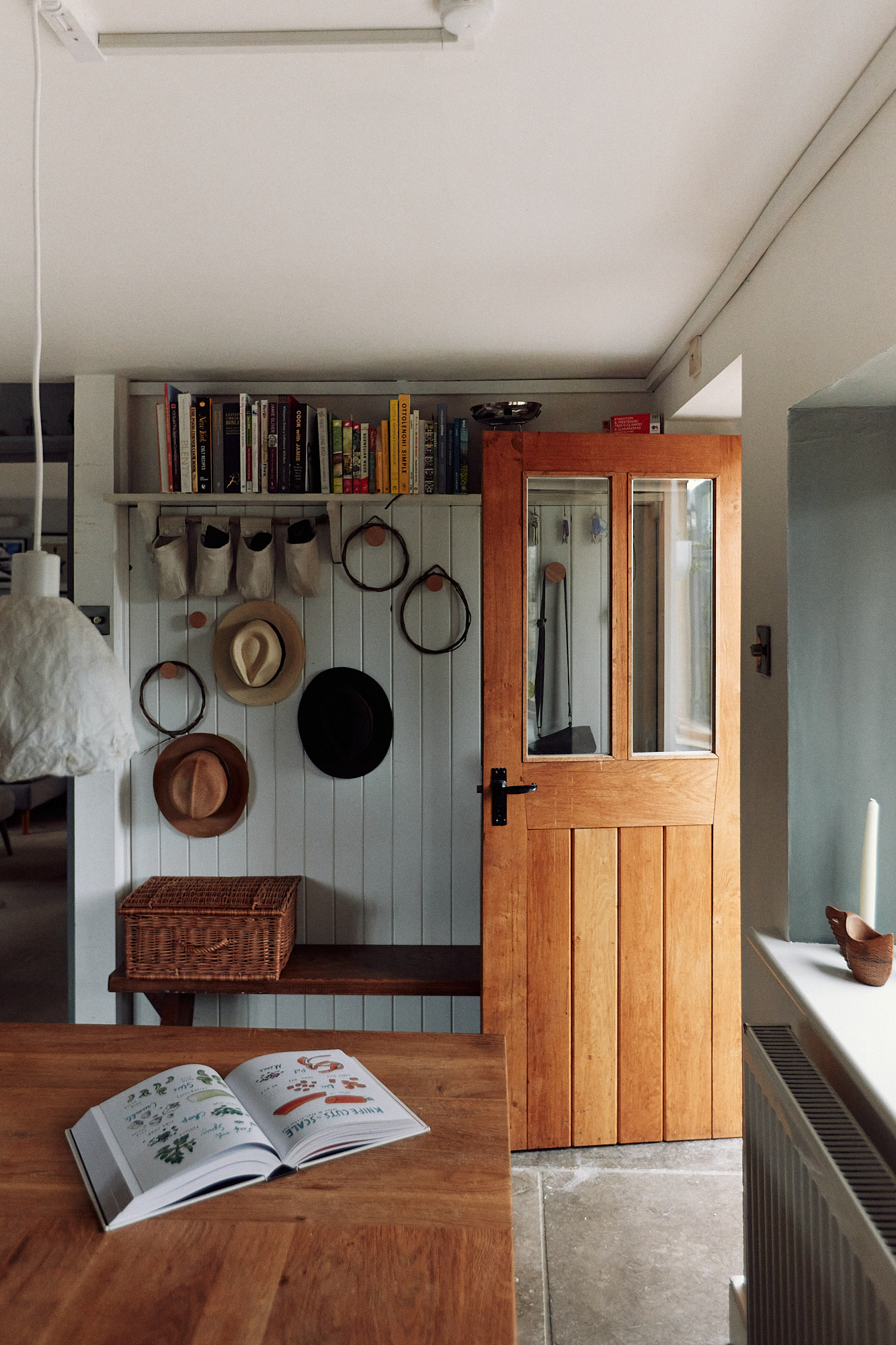
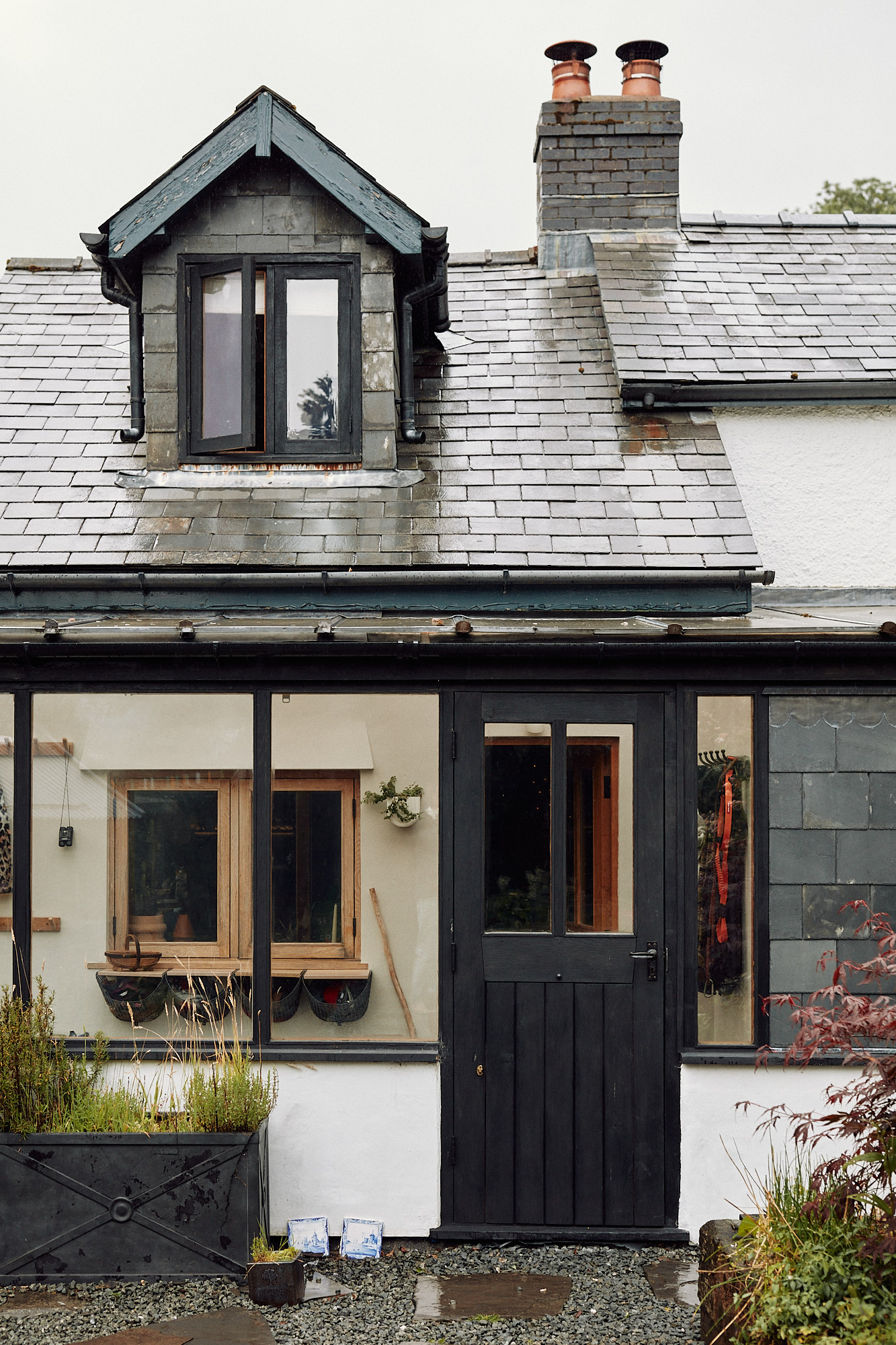
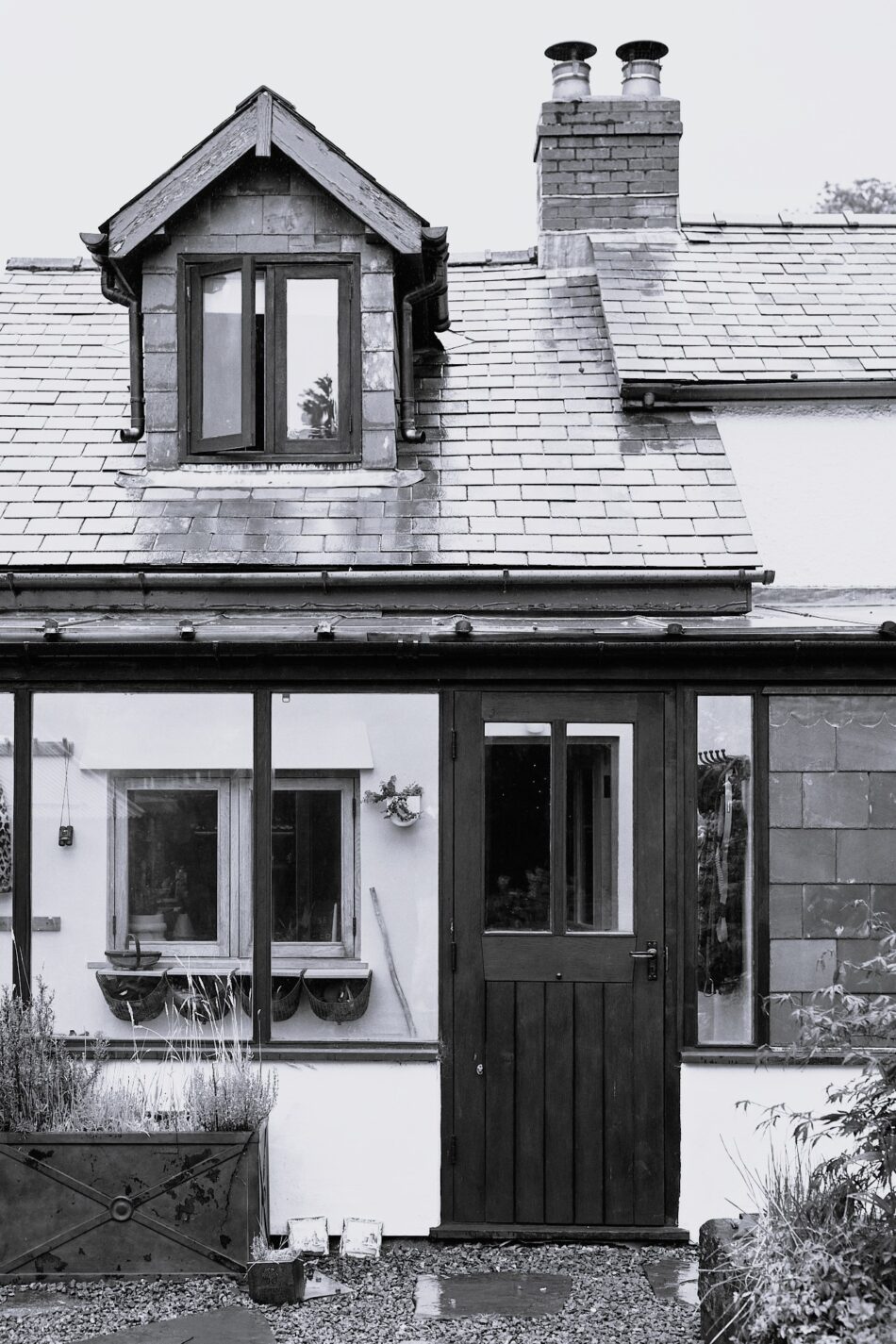
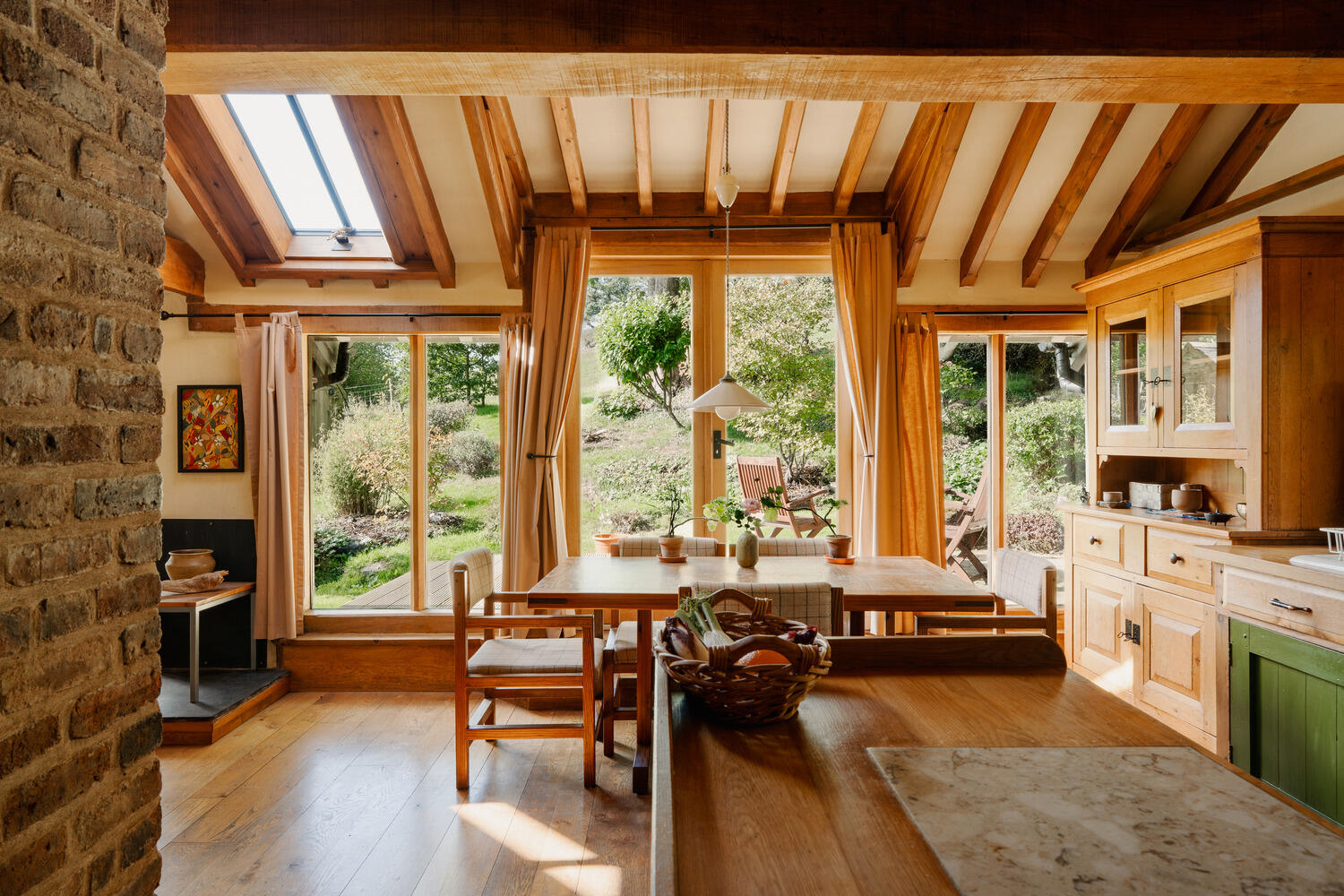
Meandering through the breathtaking countryside, this 19th century cottage is peacefully situated along a quiet country lane. The house is approached through a slate-topped stone wall, with the pathway lined by mature hedges and vibrant herbaceous perennials. An oak-framed porch, which doubles as a boot room, leads to the open-plan kitchen. Here, a Rayburn emanates a gentle warmth, and there are stunning views of the Welsh hills from the kitchen sink. A recently installed air-sourced heat pump economically maintains an ambient temperature in the entire house in all weather. Slate tiles line the floor, complemented by white metro tiles and tongue-in-groove panelling on the walls, contrasting beautifully with the muted tones of Strong White by Farrow & Ball and Plume by Atelier Ellis. The room has space for a large dining table, perfect for gatherings and shared meals.
Behind, the sitting room has a Charnwood wood burner that adds a cosy touch. Adjacent is another reception room, painted in a peaceful tone of Moss by Fenwick & Tilbrook. Currently used as an office by the current owners, this room has another wood burner set into the original oak-capped fire breast. Stone walls undulate under lime plaster, lending adding a rugged texture to the room. At the front of the house lies a garden room conservatory, a lovely addition with a WC and a shower—perfect for a post-ramble wash.
On the first floor are three bedrooms and a family bathroom arranged around a central hall. One particularly pretty bedroom has deep-set cottage windows and lovely views of the hills and is painted in a charming chalky pink, Setting Plaster by Farrow & Ball. Adjacent to this room lies the primary bedroom painted in French Grey Pale by Little Greene, next to the large family bathroom. Beyond the primary bedroom is a smaller bedroom, which could also be used as a dressing room.
The Bothy lies over the lane outside. Formerly a 19th-century cart shed, this space has been thoughtfully converted with bespoke greenwood joinery, creating a beautiful guest area. Velux windows above the sleeping platform allow for stargazing, making it an enchanting spot. Completing this lovely annexed space are a private parking area and log store.
The Great Outdoors
The gardens rise around the house, framed by hills, creating an Arcadian idyll. Mature trees tangle pleasingly with roses and clematis, and climbing shrubs and more roses arch over garden frames lining slate gravelled paths. A lawned area at the rear of the plan takes in the best views. A little plot to the side is rented from neighbours for a small fee and provides ample space for vegetable beds and chickens.
Out and About
Clas Brook is the stream that tracks through Glascwm, a small village at the top of a sheltered and peaceful valley. This rural location has direct access to the surrounding moorland, where a day’s uninterrupted walking across Red Hill to Aberedw traces the drovers’ path along the ridges and moorland so typical of Radnorshire. These are hills rich with local landmarks, folklore, and legend, from the trader Twm Tobacco’s grave to Llewelyn’s cave. Virtually undetectable (until recently, the way was marked only by a bucket atop a gatepost), the cave provided shelter for Llewelyn ap Gruffydd, the last sovereign Prince of Wales, the night before his ambush and murder by the English. Its enduring importance as a pilgrimage site is evident in the 18th-century graffiti inside.
The Clas Brook stream meets the river Edw at Cregrina as it runs along the northern edge of Aberedw rocks, where long summer days spent on its sheltered banks can be punctuated with dips into its bracing waters. More leisurely wild swimming can be found in the Wye as it makes its way through the picturesque fields and woodlands of Erwood and Boughrood, carving out broad slabs of stone perfect for a post-swim picnic.
Expansive mountains and moorlands abound in this part of Wales; the Cambrian mountains and the Elan Valley lie 45 minutes drive west, and the Black Mountains and Bannau Brycheiniog National Park to the south. This seemingly boundless countryside is a veritable outdoor playground offering peerless cycle and walking routes, waterfalls, forests and lakes.
There are local pubs in Aberedw, Painscastle, and Hundred House and a popular, if achingly steep, nine-hole golf course in Rhosgoch.
Glascwm is around 20 minutes drive from Hay-on-Wye, known for its enduringly popular book festival. The lively town has a plethora of independent bookshops, pubs and cafes. At its centre is Hay Castle, the previous home of Richard Booth, recently renovated by MICA architects and transformed into a cultural and community space.
Half an hour to the north is the small town of Presteigne, with a fantastic delicatessen, fishmonger, greengrocer, and butcher. There is also a good selection of bookshops, pubs, a library, a leisure centre, and an independent cinema. Kington, which lies even closer to the house, is a lovely town and home to the annual Kington Walking Festival.
The closest train station is 25 miles away in Hereford, which offers services to London in approximately three hours and services to Bristol in around one hour and 40 minutes.
Council Tax Band: D


 Related Stories