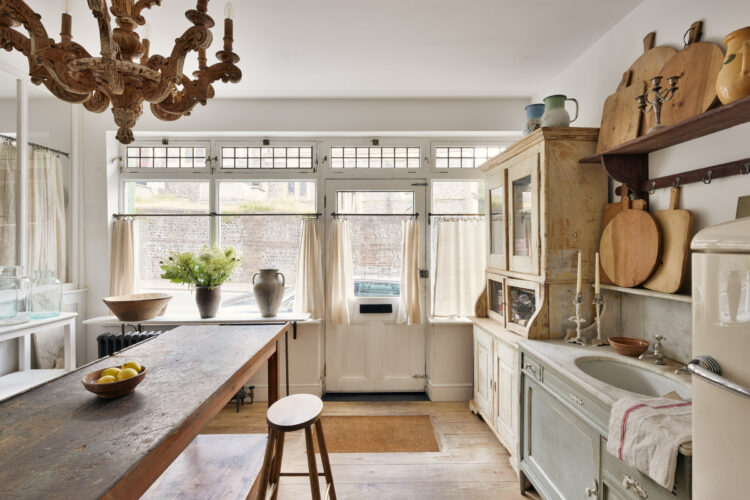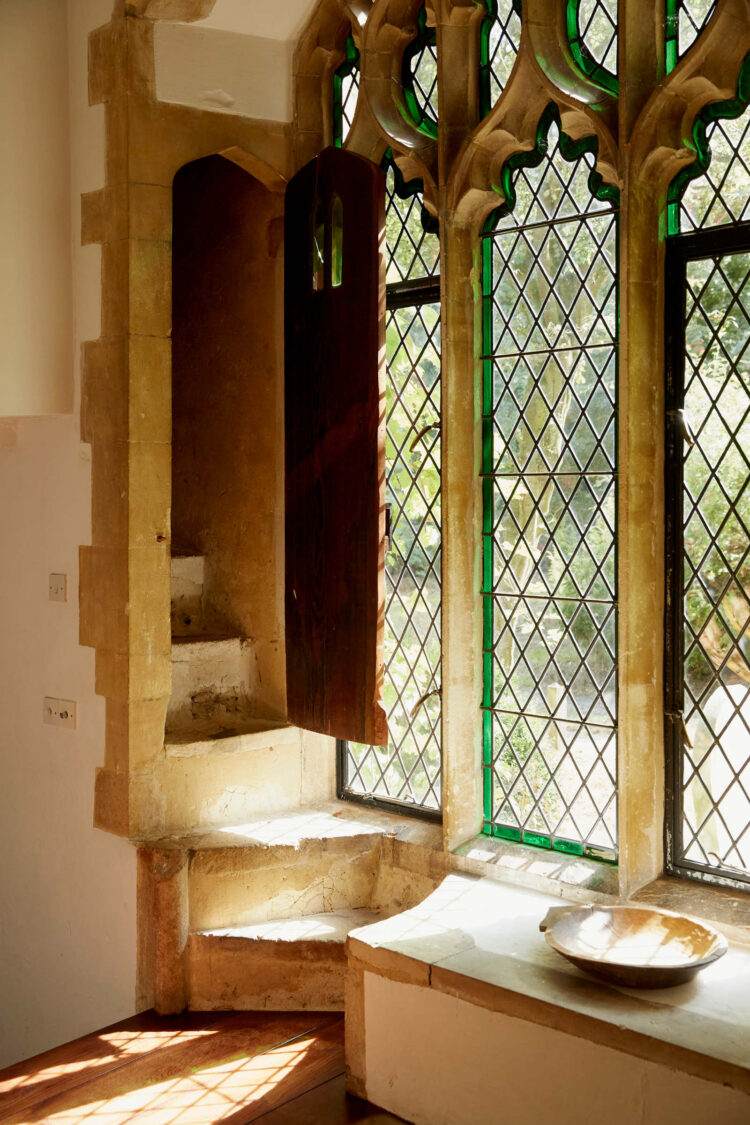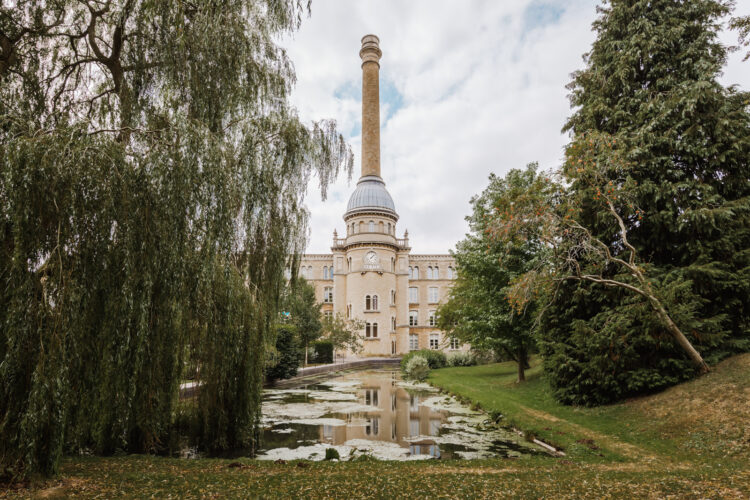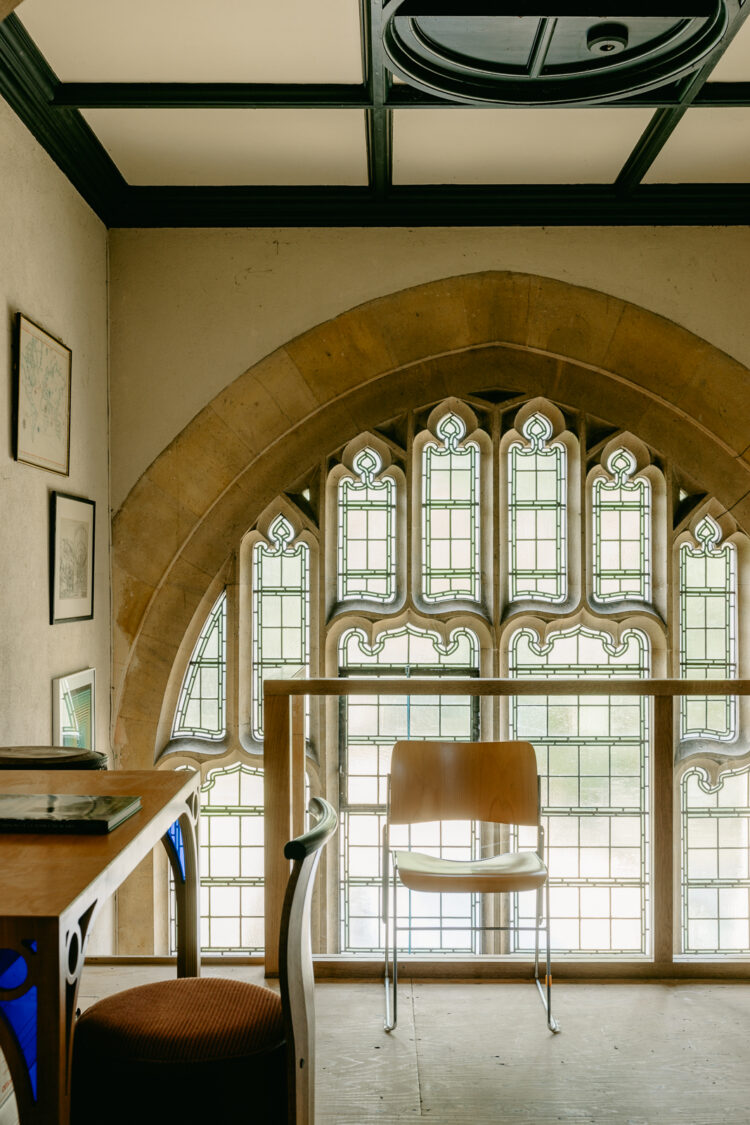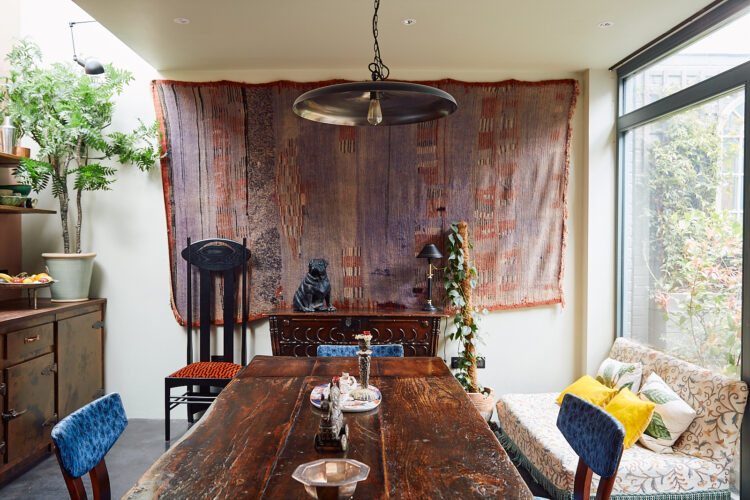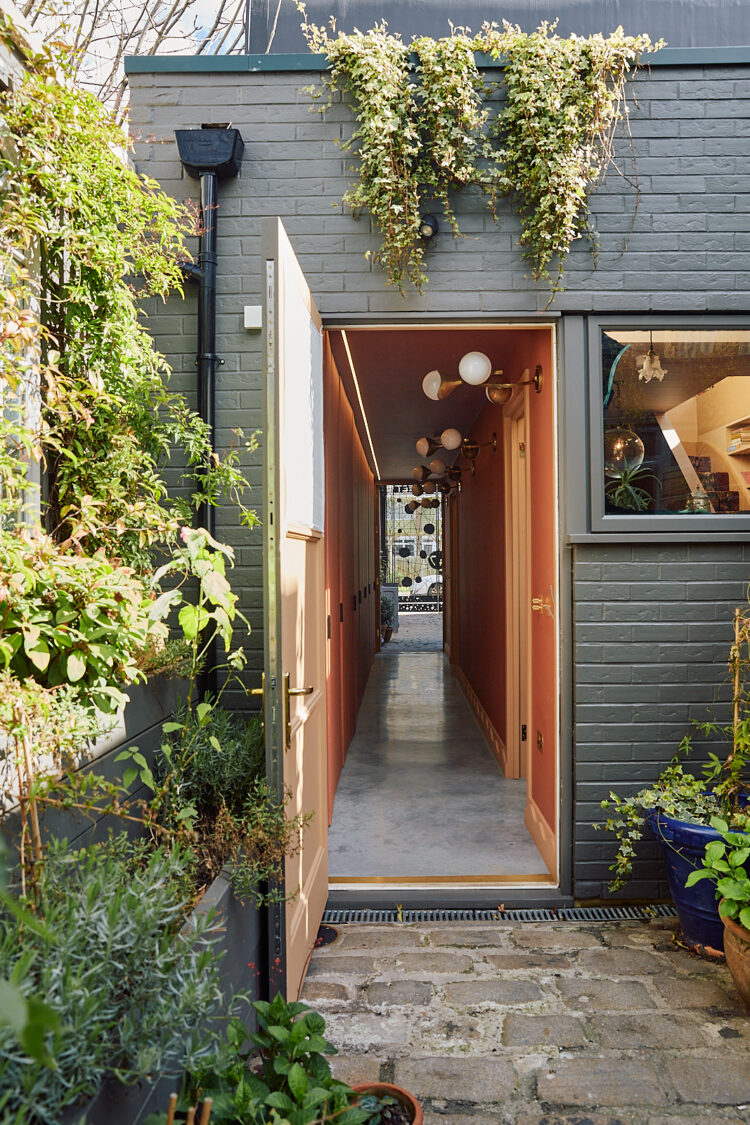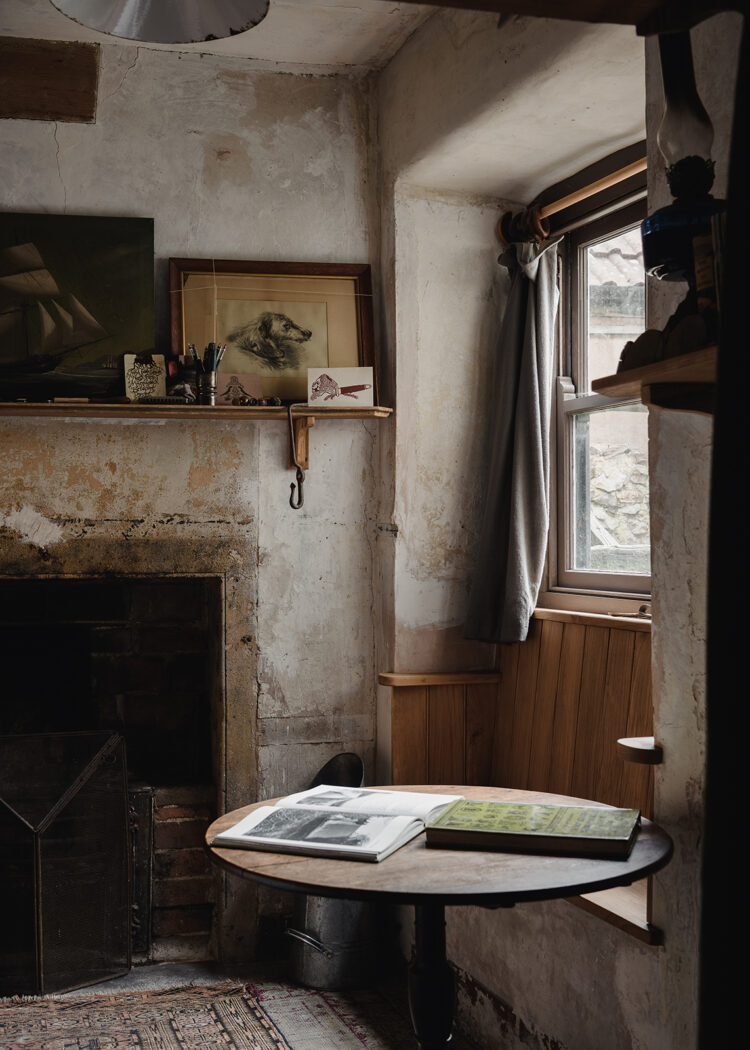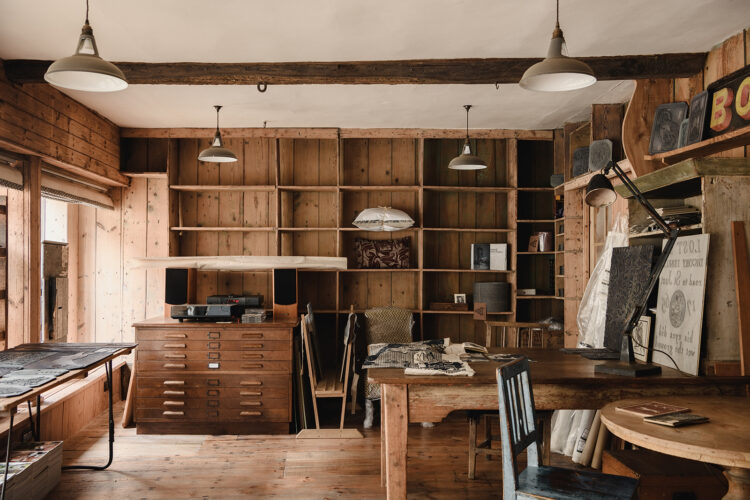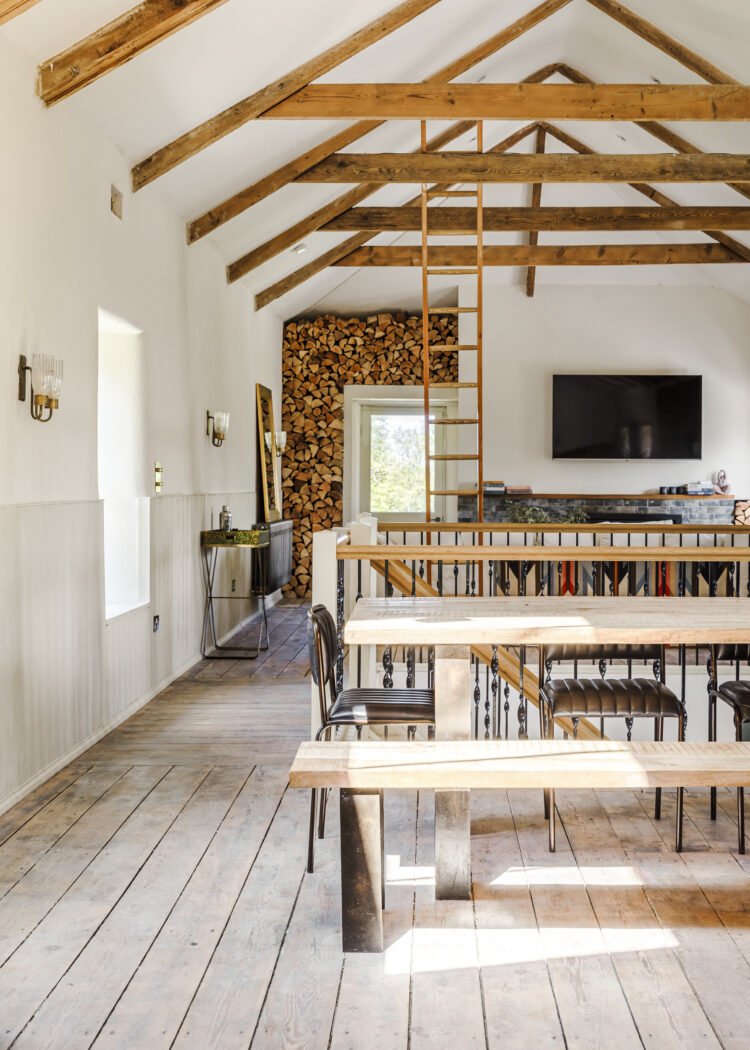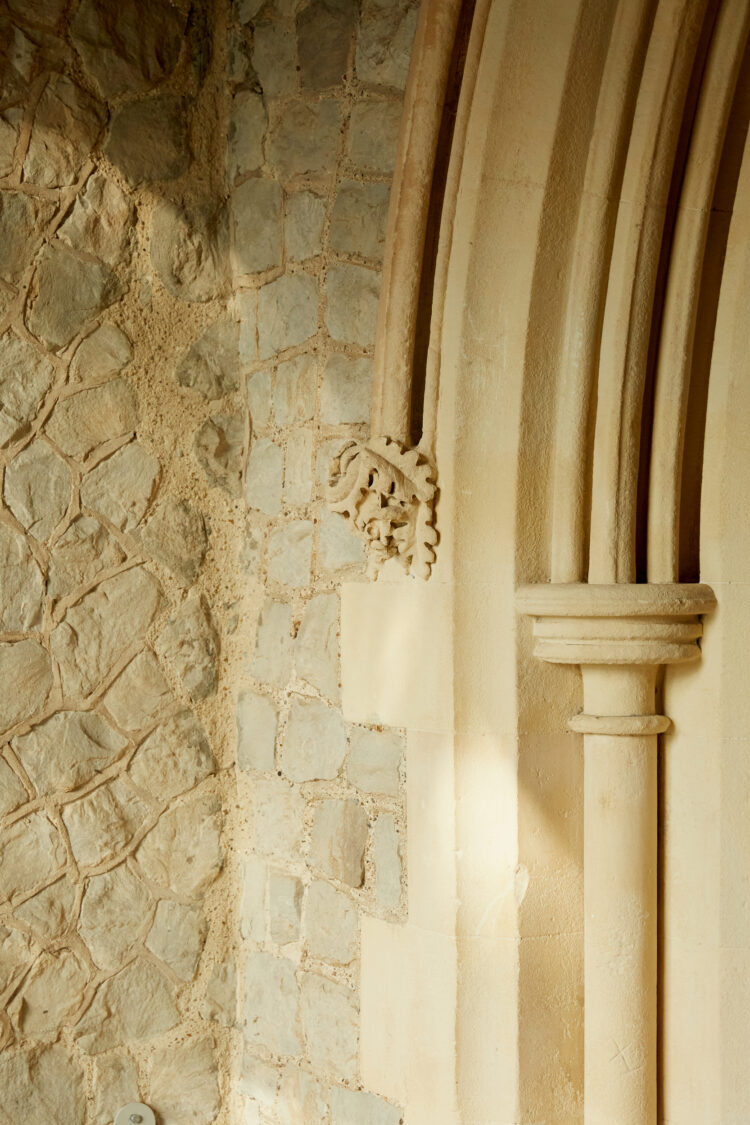



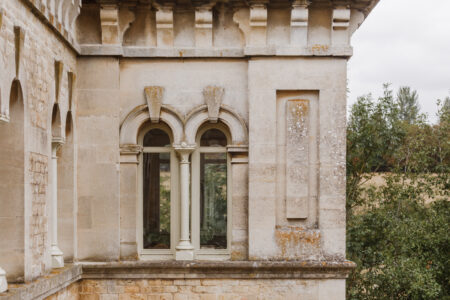
It’s all very well thinking about the small steps we can take when it comes to doing up our homes – after all, the ocean’s made up of many drops. The big picture, however, is equally important. Reducing, reusing and recycling isn’t just for plastic bottles and paper; considering the ways we can ‘upcycle’ architecture is crucial to the future of our built environment in a post-industrial world.
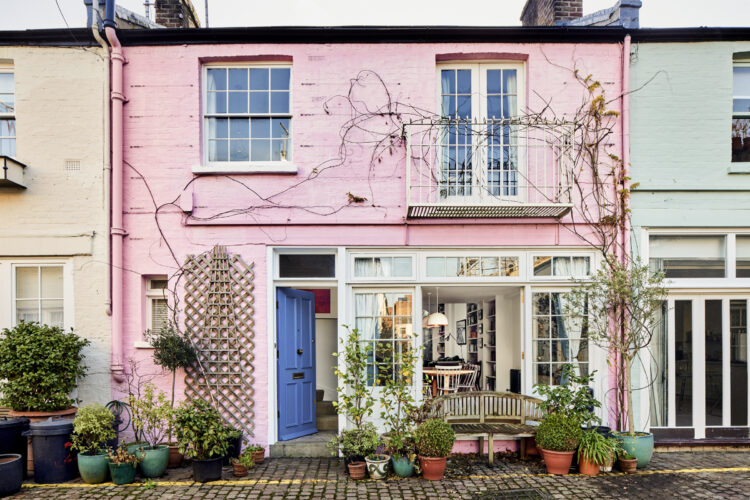
Adaptive reuse, as it’s known, isn’t as radical an idea as it might sound. We’ve all come across schools and pubs that have been turned into flats, or shops that have become cottages. Mews houses – stables with living quarters for coachmen above, like this one in Notting Hill – are a familiar feature in the London landscape, yet few of us think about classic conversions in the same terms.
The need for us to think creatively about the buildings we already have is acute. Rapid economic and urban expansion in recent history has unsurprisingly resulted in growing pains: overpopulation, sprawl and the subsequent threat to natural environments, to name a few. Making use of what we’ve got is one viable way to target these problems. Architectural reuse also fuels our journey towards a zero-carbon economy, as an existing building has lower embodied carbon than a new one.