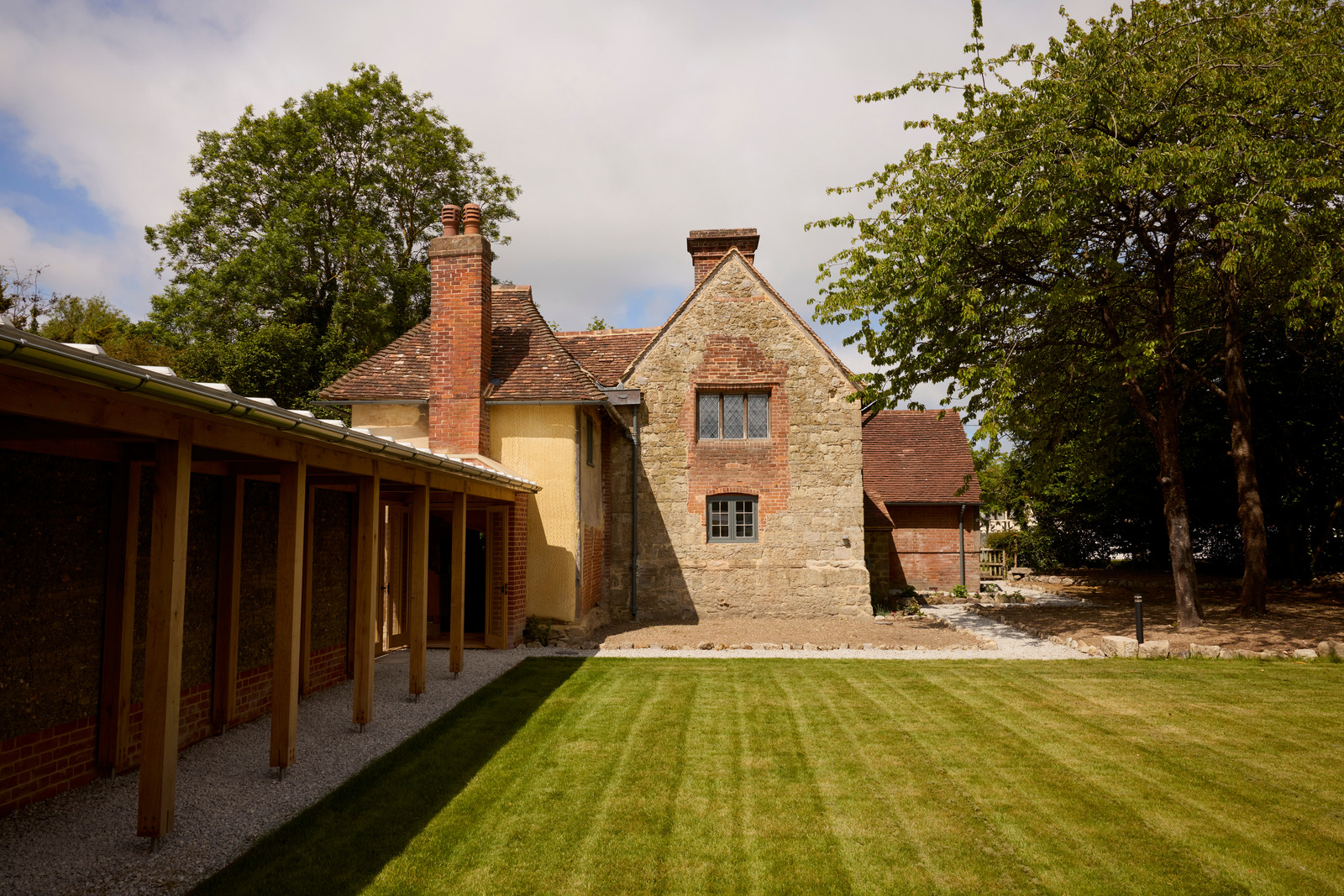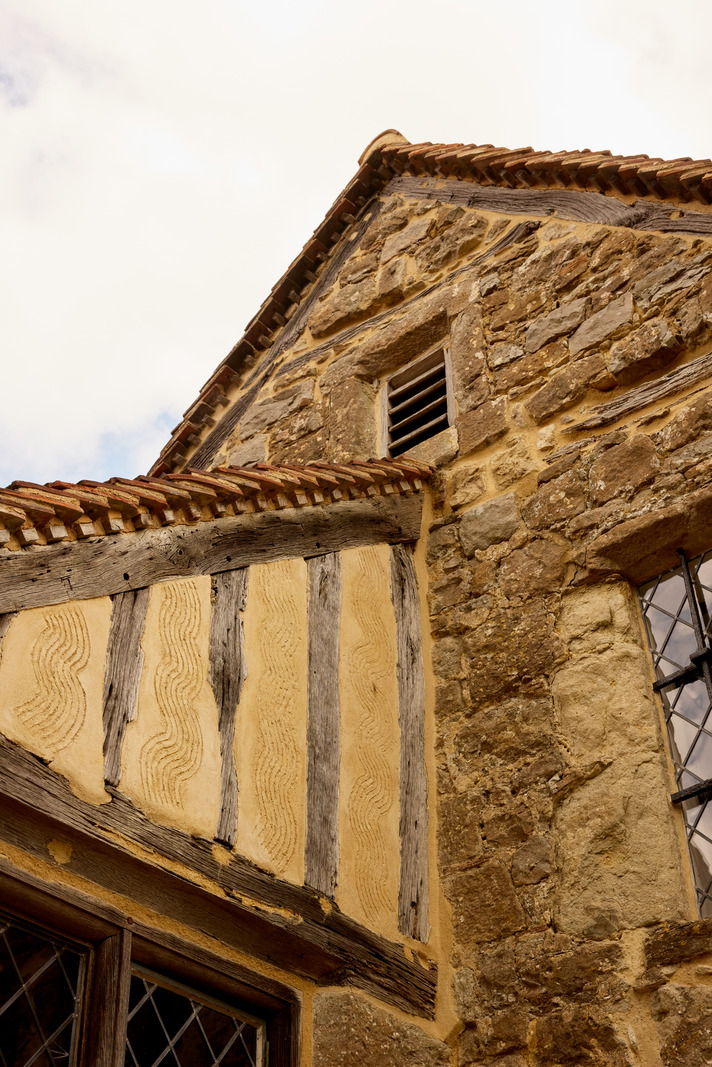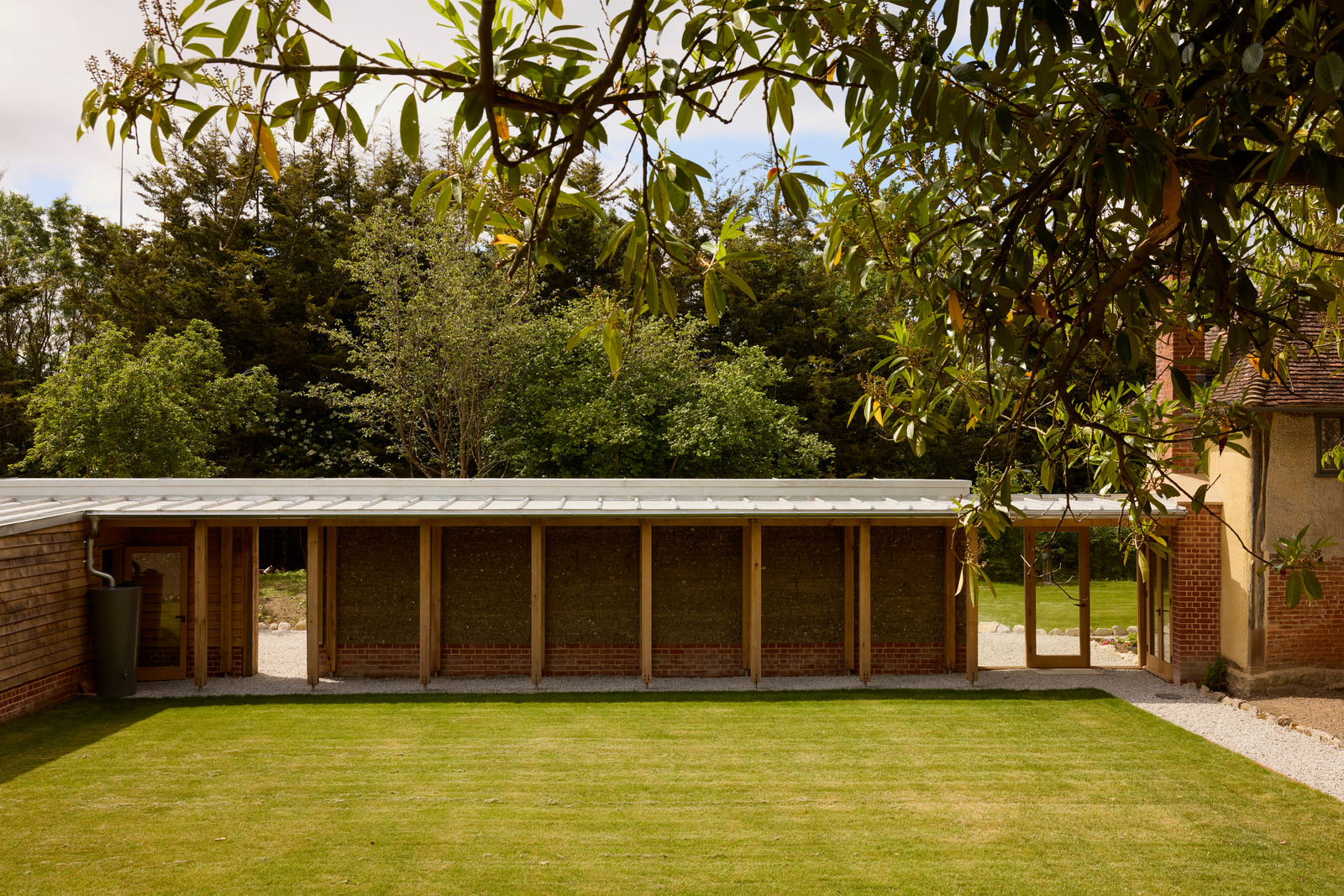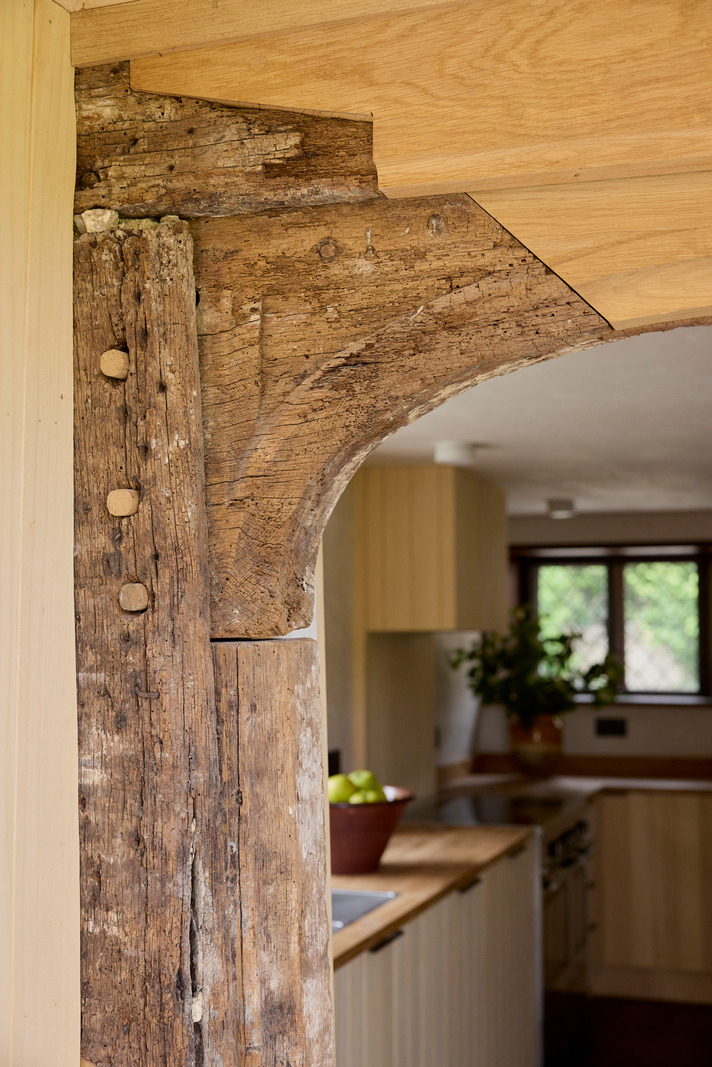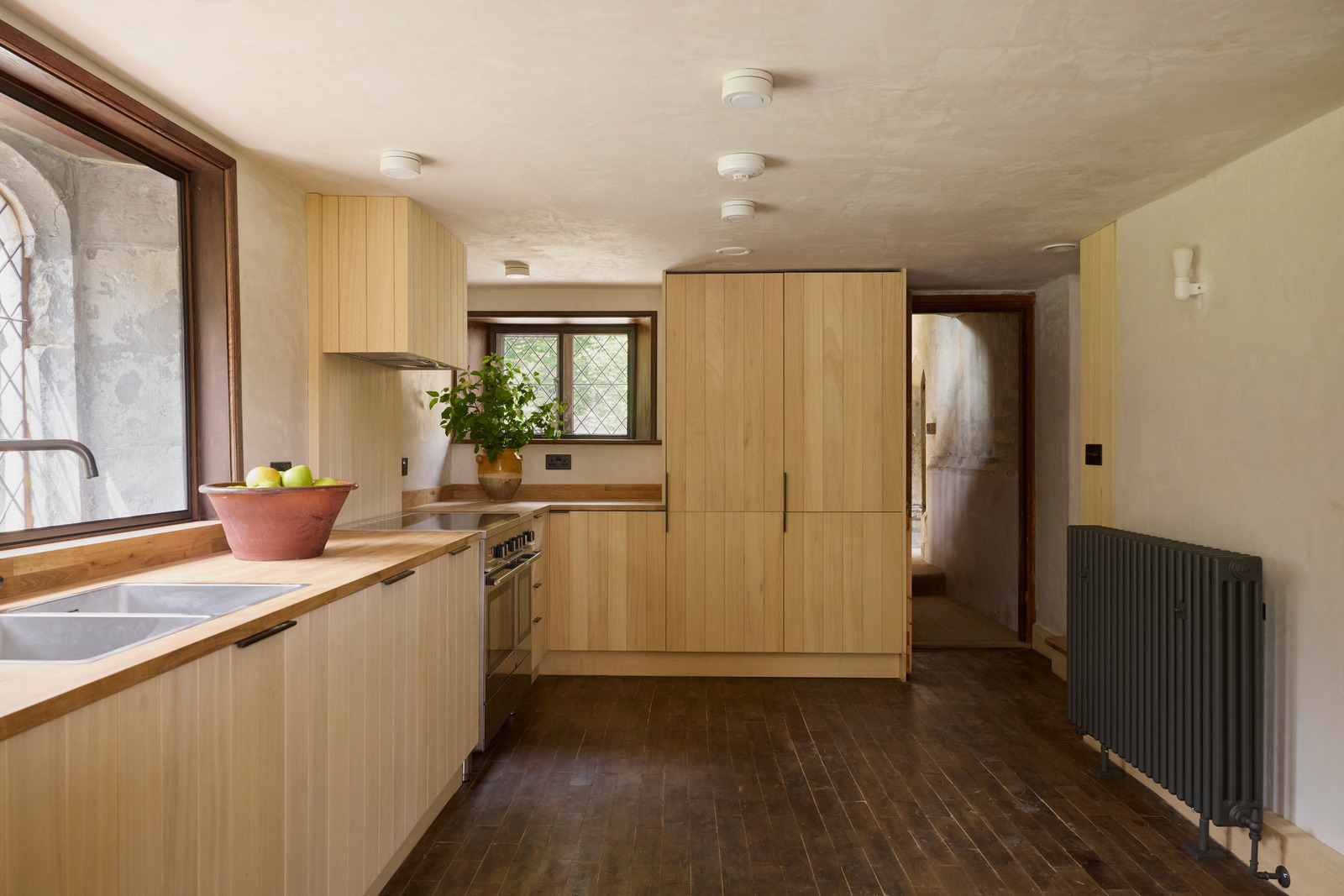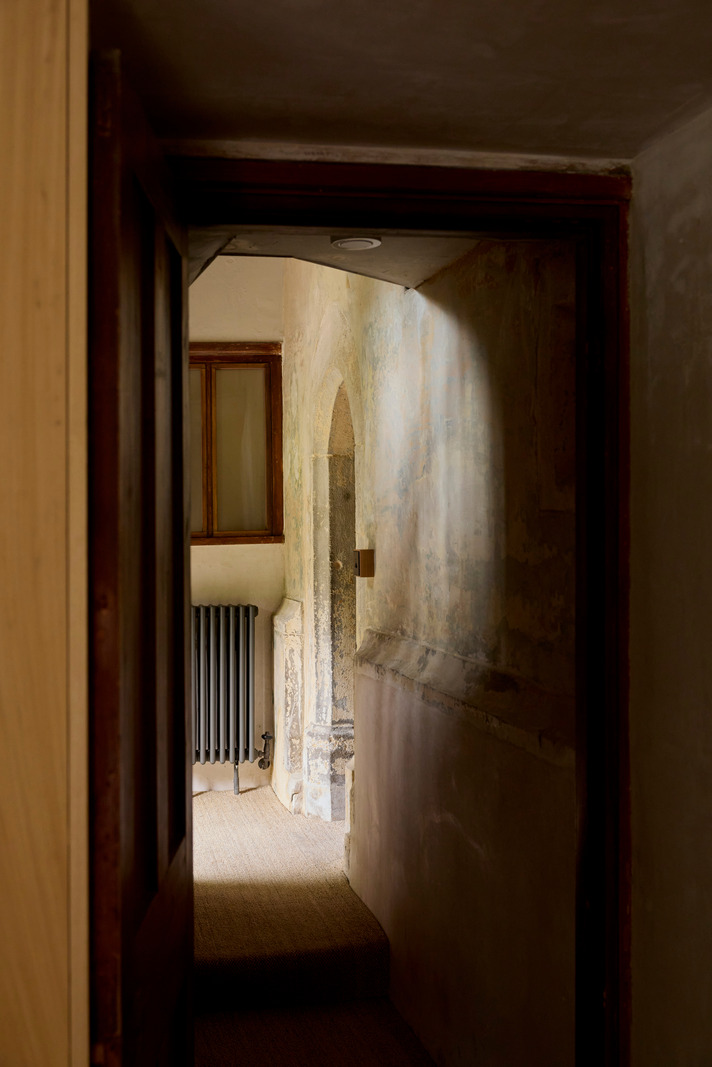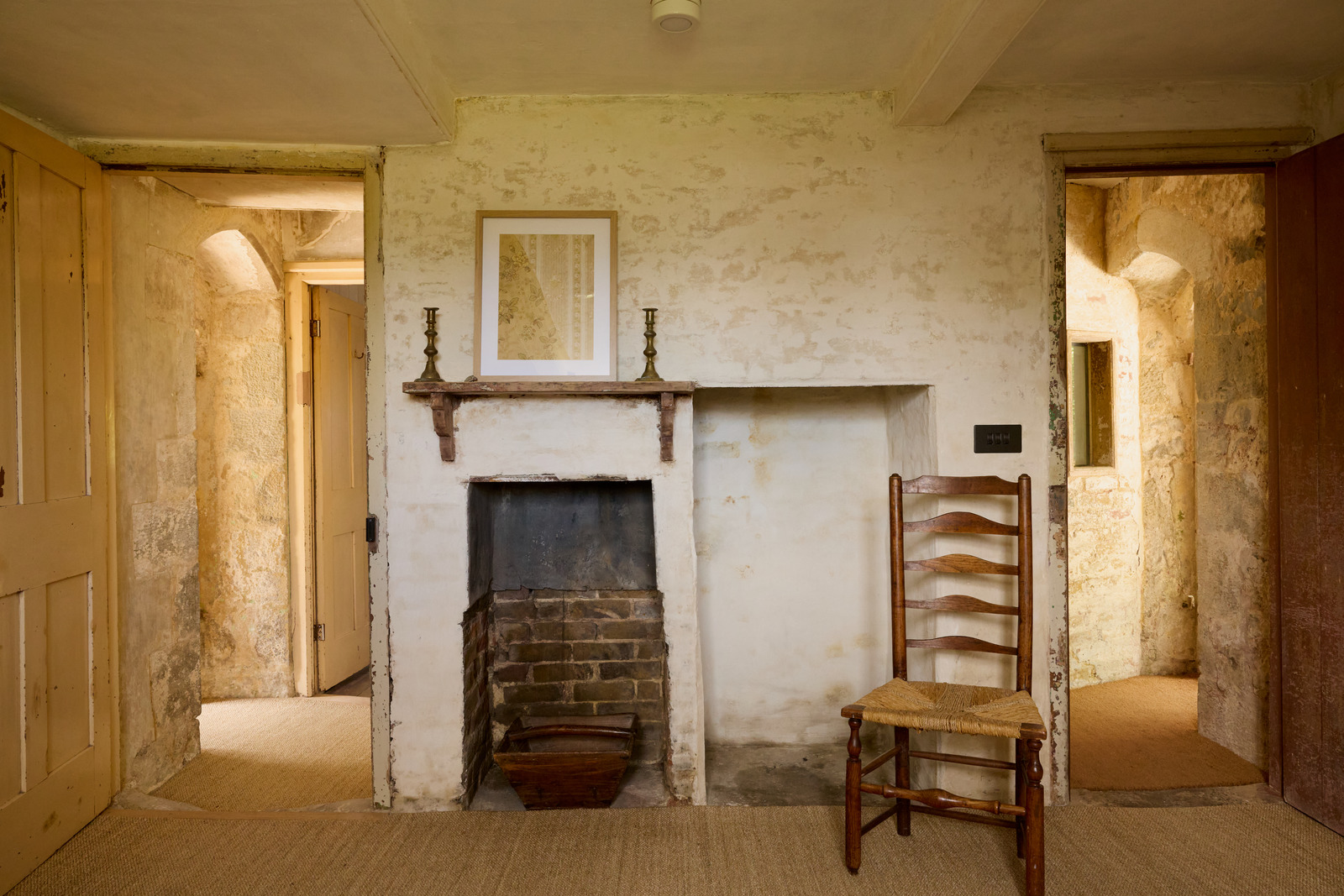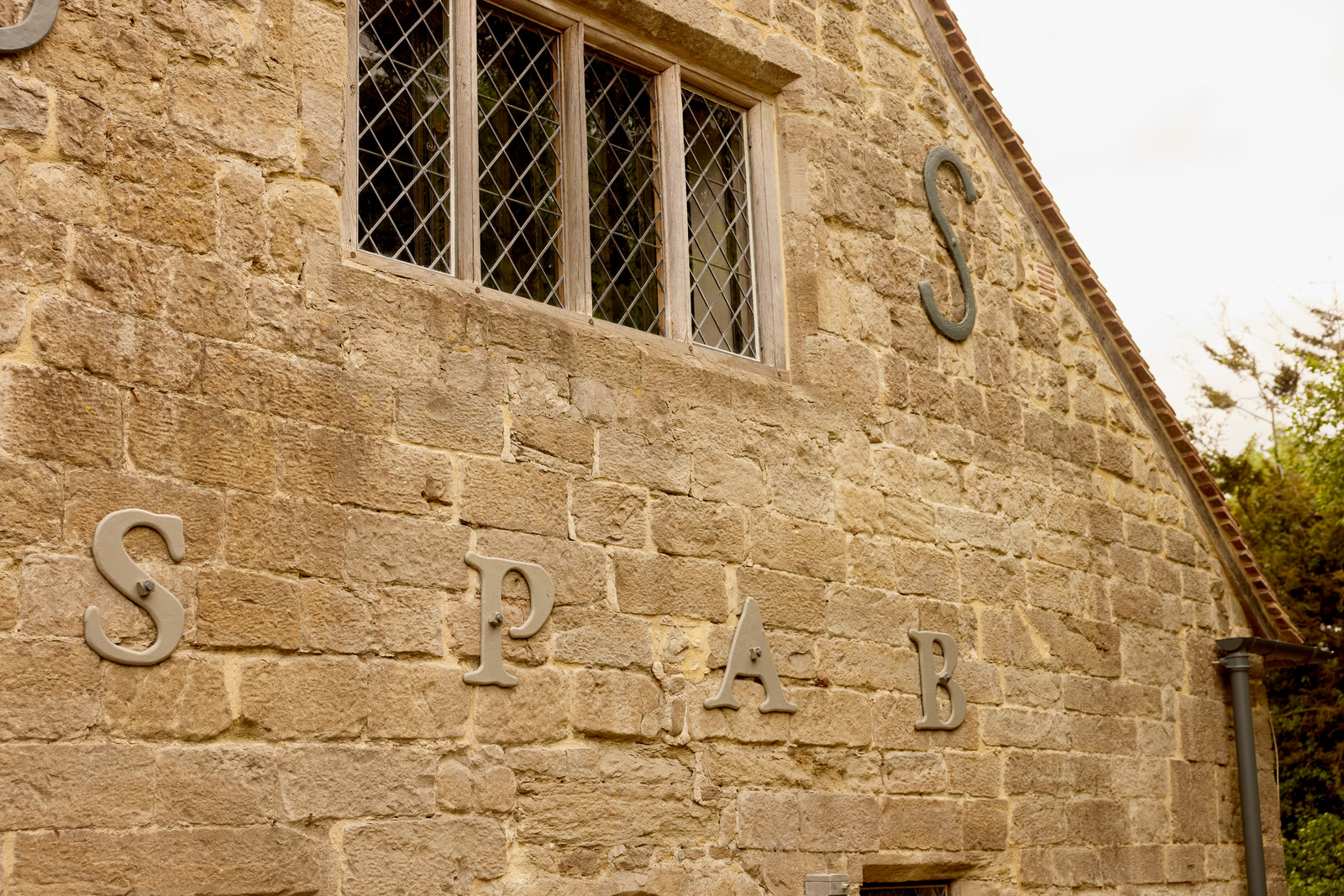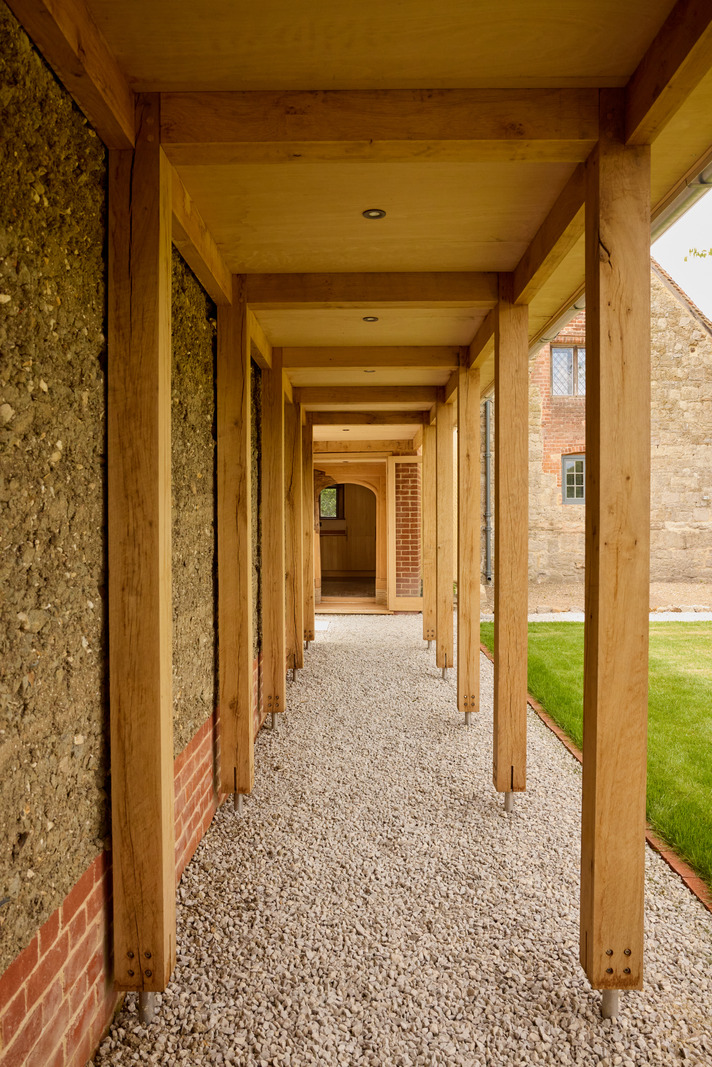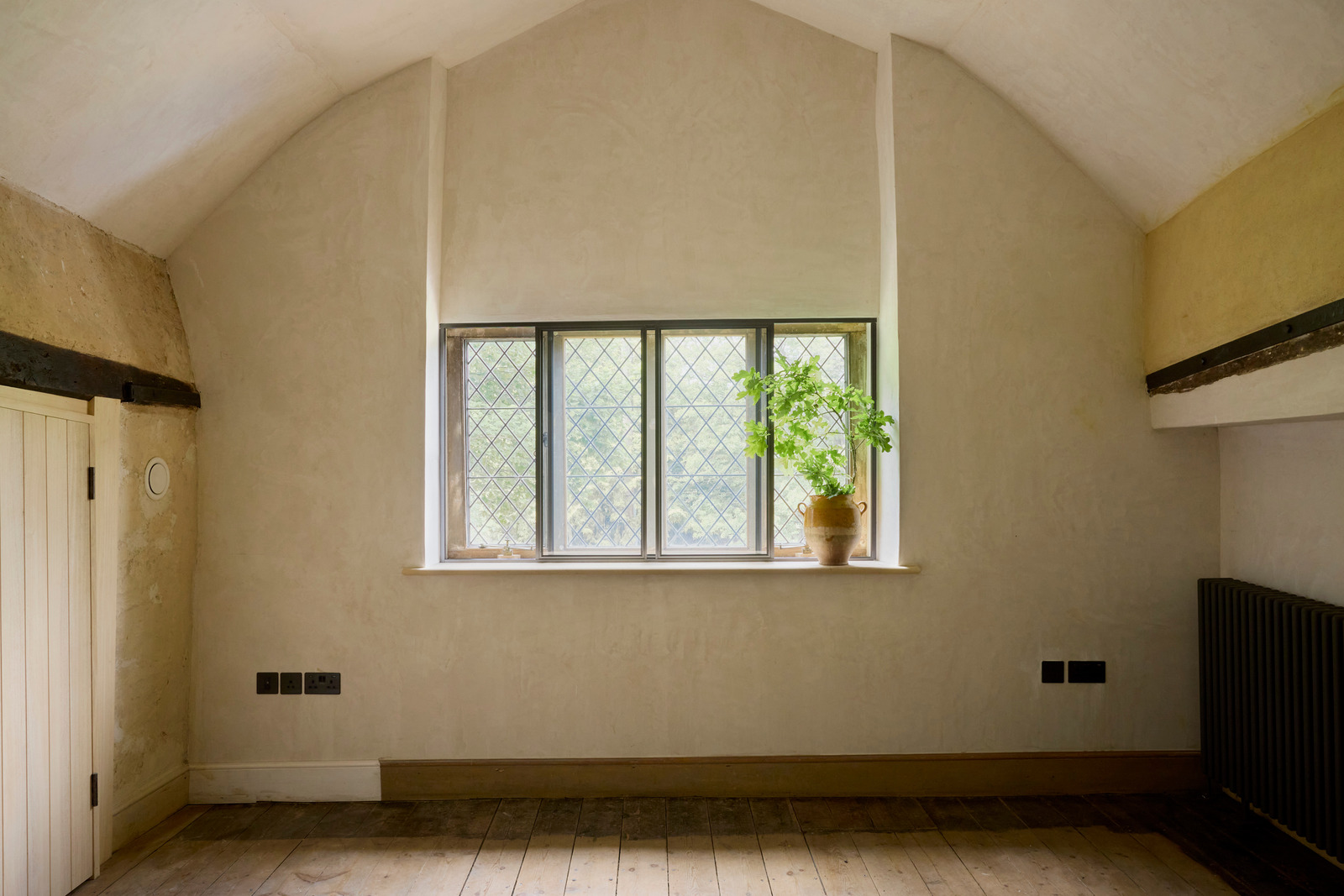



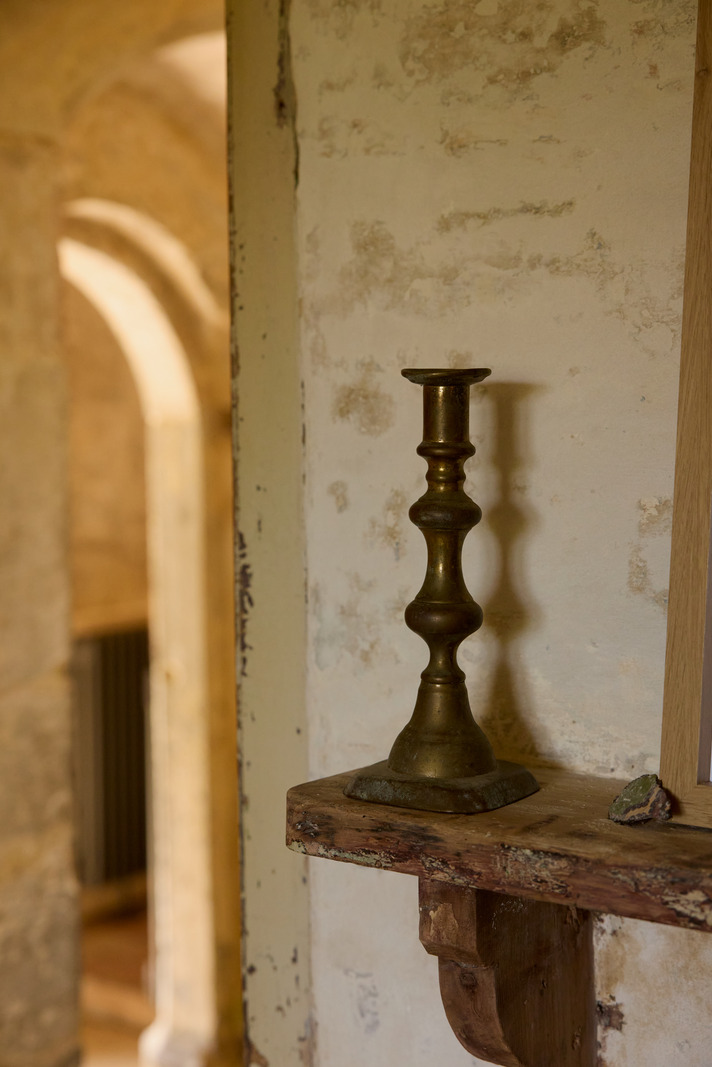
In 2017, St Andrew’s was dark, dank and shrouded in vegetation. Trees were dislodging tiles from the roof, and vandals or squatters had scrawled ‘Woz Ere’ across the walls. Some fire surrounds were gone, and two medieval carved heads had been hacked off as souvenirs. Despite all this, it became immediately apparent to the Society for the Protection of Ancient Buildings (SPAB) that the building was something very unusual and special.
SPAB was founded in 1877 by a group of passionate campaigners led by William Morris, wallpaper designer and champion for historic buildings. SPAB began as a lobbying group but later went on to buy, repair and sell neglected ancient structures. These projects ceased as the SPAB became a specialist body for training and advice; however, by the mid-2010s, the group realised that a real-world example would help demonstrate the SPAB Approach to building conservation.
The project aimed to rescue an ‘at risk’ building, allowing training and research along the way. Funding would come from an Architectural Heritage Fund loan, a Pilgrim Trust grant and the support of SPAB members.
The SPAB scoured the country for a suitable building, but initially with little success. We bid on one property but found that the buyer’s rose-tinted valuation was eight times higher than ours. Fortunately, this disappointment had a silver lining. We tried a different approach and, with the help of Historic England and its ‘at risk’ register, were led to St Andrew’s Chapel at Boxley near Maidstone in Kent. The building we found was distressing and exciting in equal measure.