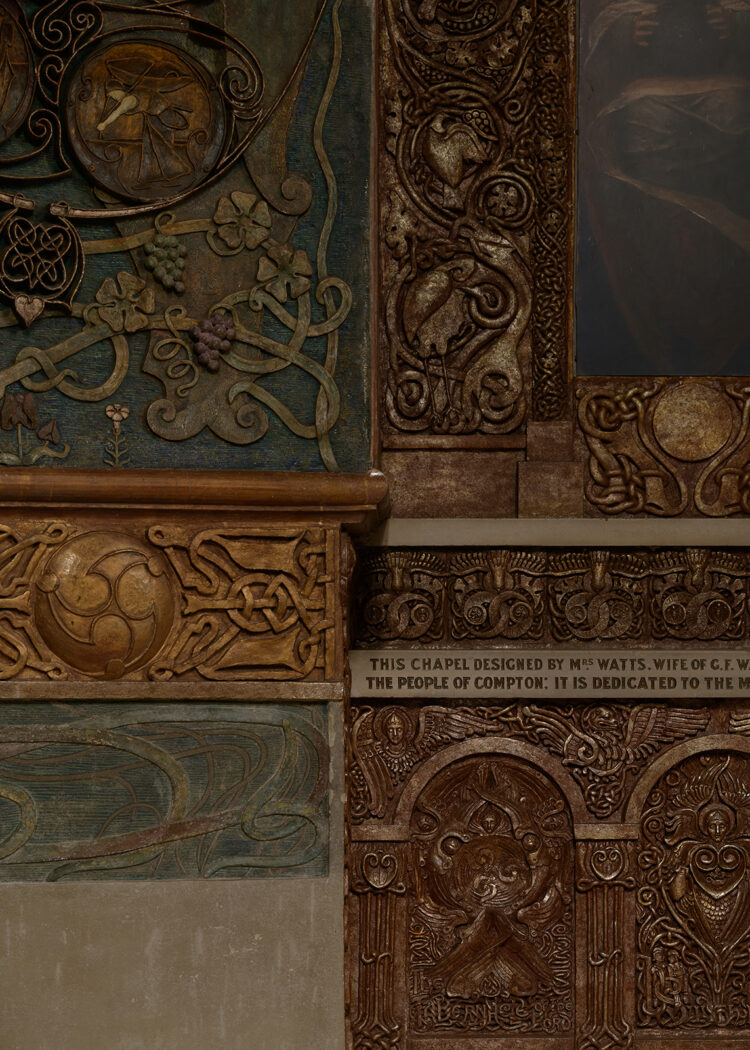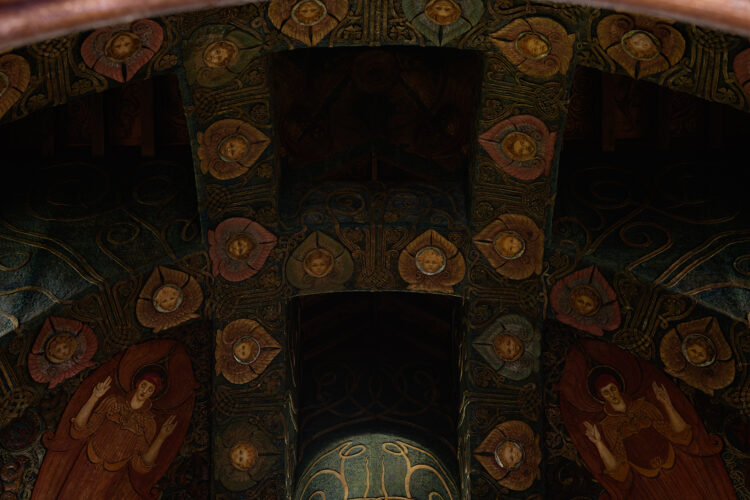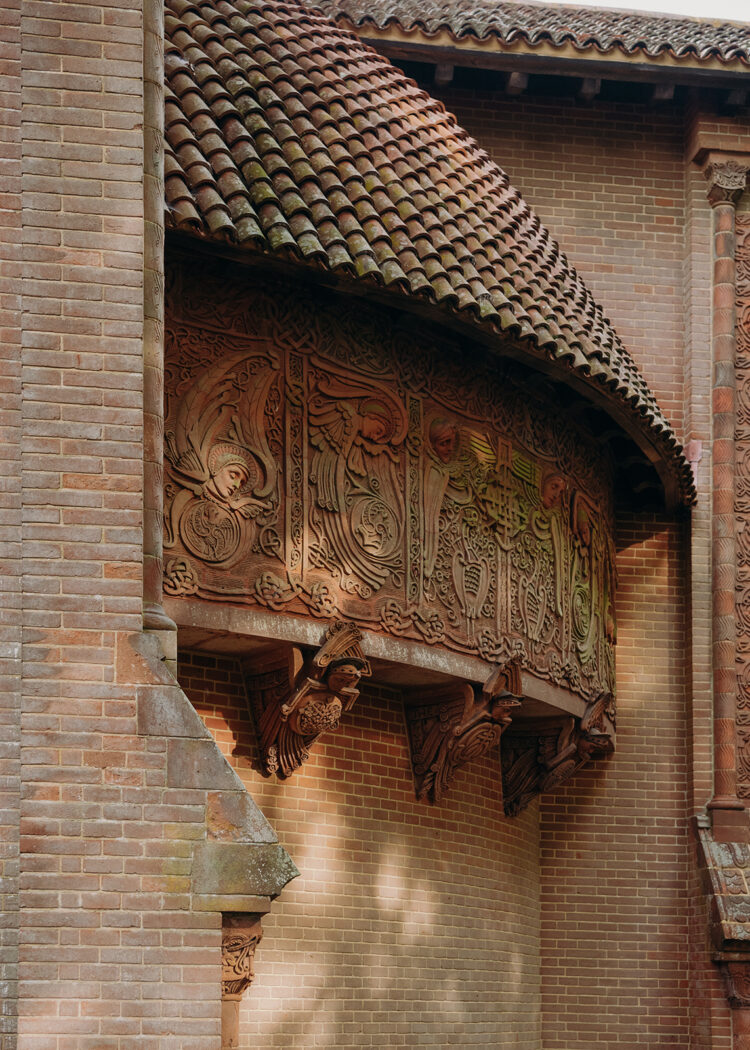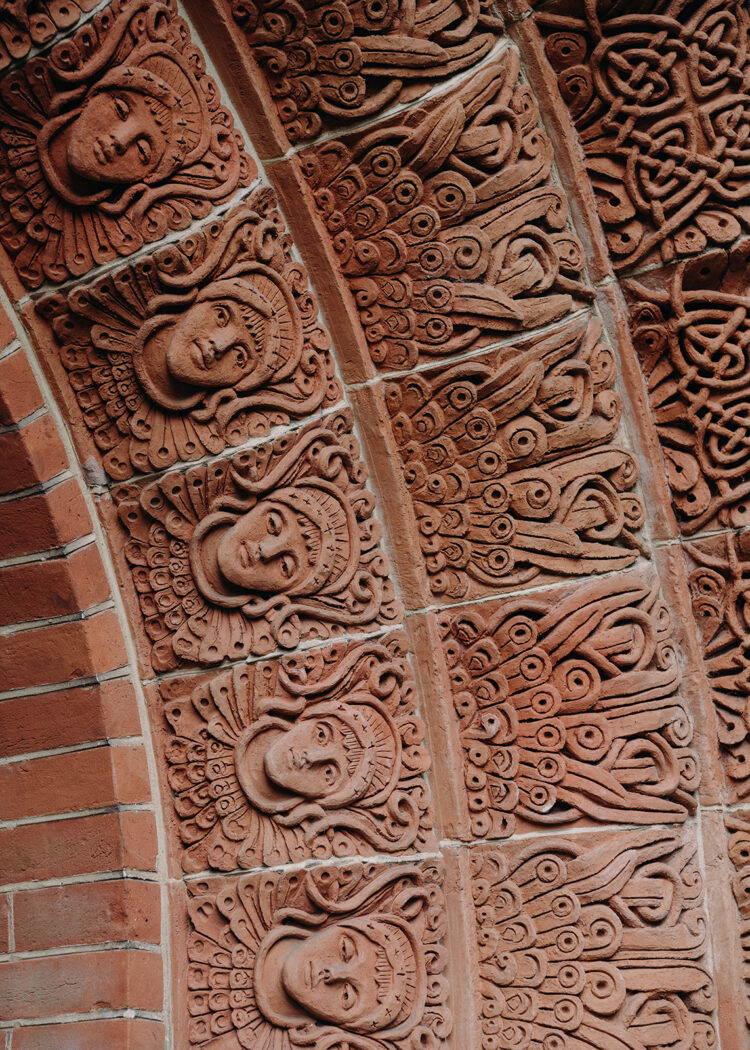



In the age of blockbuster retrospectives and internationally touring exhibitions, it’s hard to imagine the art world in a pre-celebrity age. Until the late 19th century, however, painters and sculptors – though known around the world – didn’t enjoy stardom like they do today. That all changed, however, with George Frederic Watts.
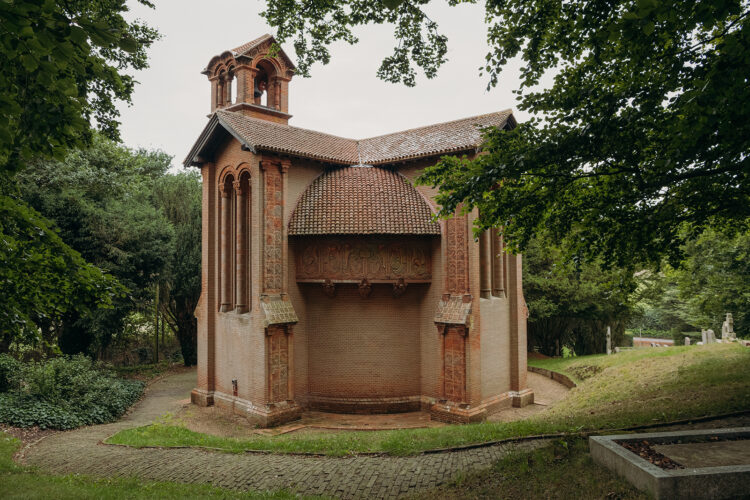
Widely considered the greatest painter of the Victorian age, Watts (1817-1904) was astoundingly famous. So famous, in fact, that he could barely work in his Holland Park studio-home, so often was the doorbell ringing. “He had a very good work ethic and, even as an old man, he really wanted to paint,” says Dr Emily Burns, curator at Limnerslease, the house he and his second wife, Mary Fraser-Tytler, commissioned in Compton, near Guildford, in early 1890. The idea behind their country residence, designed by Ernest George, a teacher of Lutyens, was that it would give George and Mary, a Symbolist artist in her own right, peace, space and time to work.
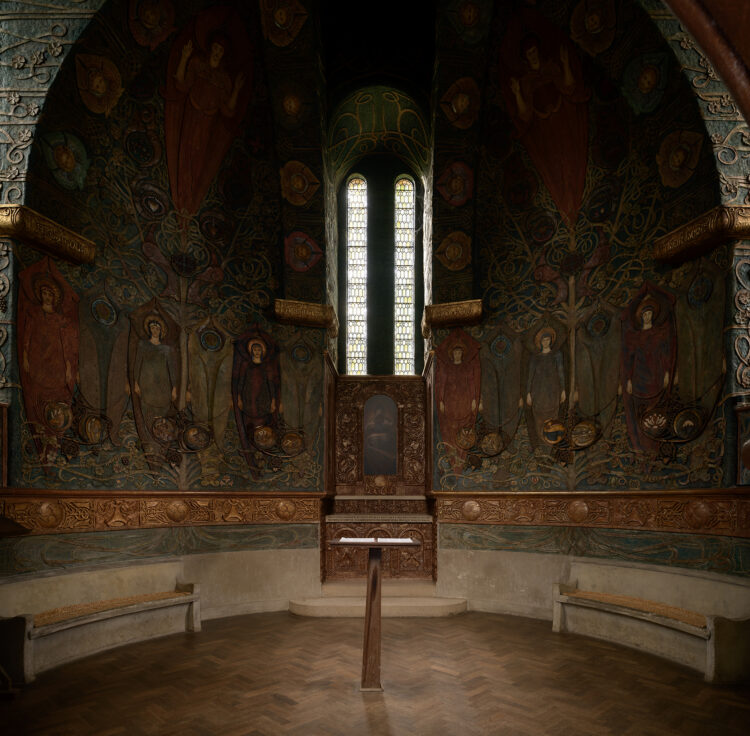
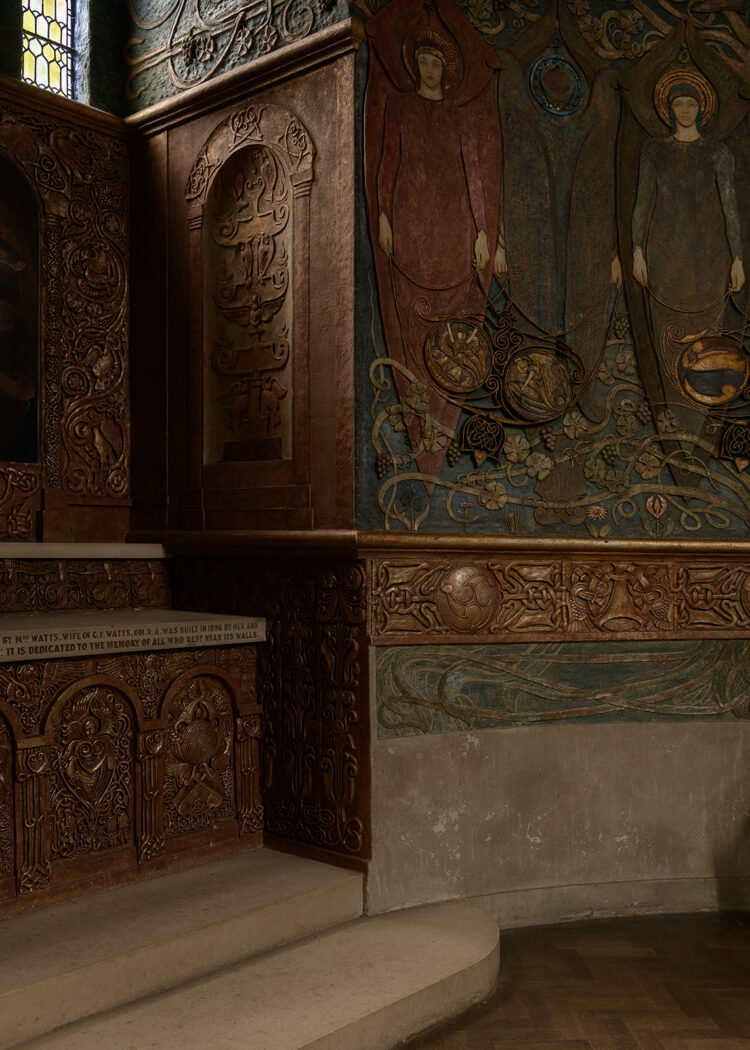
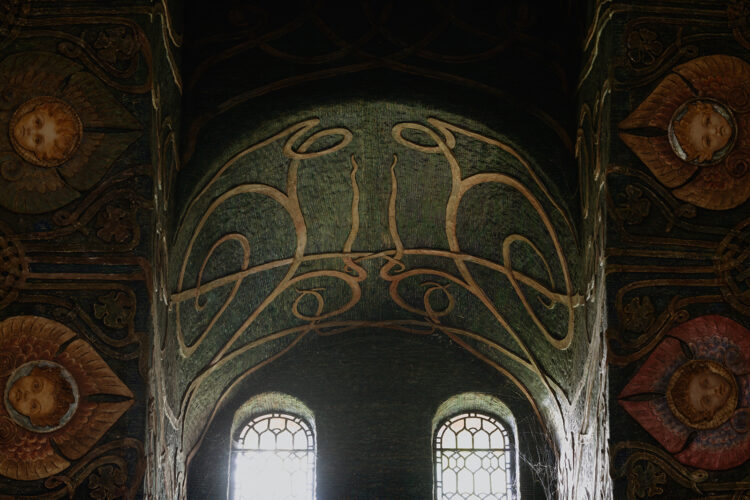
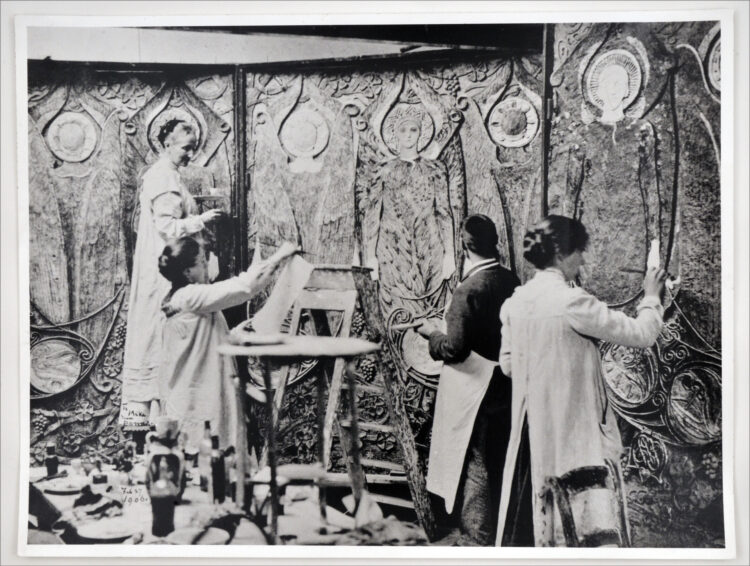
George’s celebrity never waned, but hitherto, Mary has been seen as little more than the handmaiden to his success. Yet, finally, her own legacy at Limnerslease is rightly coming to light. Open the public, the house – its name a compound of ‘Limner’, the Old English word for artist, and ‘lease’, a verb meaning to glean hope for the future – is the result of the couple’s joint determination to develop a conjugal creative sanctuary, but its environs are in many ways more Mary’s domain.