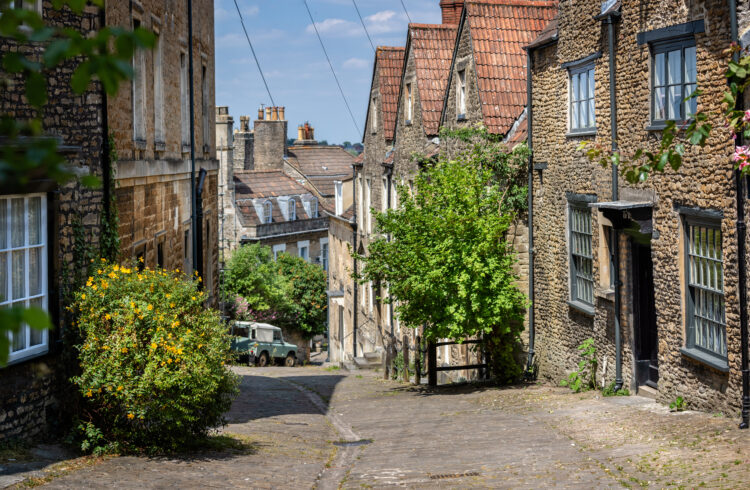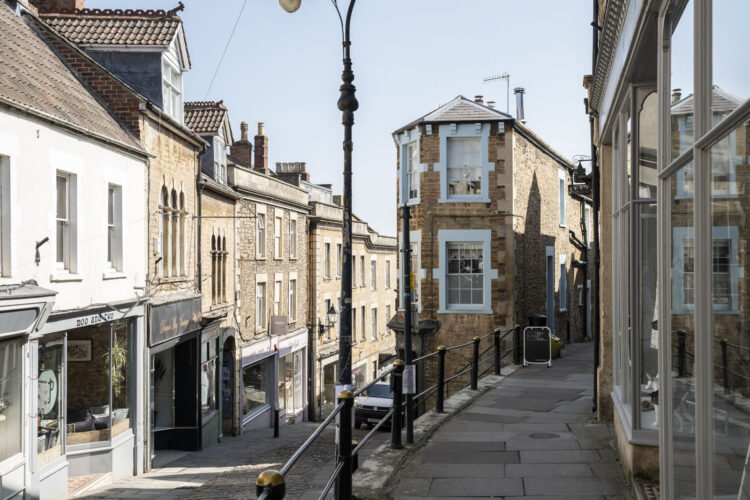



Frome isn’t a place for those who get short of breath easily. Founded next to the river of the same name in the seventh century, the town grew prosperous from its wool and cloth trade to become one of the largest settlements in Somerset (at the start of the 18th century, its population was larger than Bath’s). As it expanded, its streets sprawled away from the town centre in the river valley, climbing up from 65m above sea level to 135m at some points – all over a relatively short distance.
It means that, today, many of the buzziest streets in the heart of Frome – notably Catherine Hill, Stoney Street and Gentle Street – are pretty steep. These organically curving, cobbled beauties display some of the finest examples of 17th– and 18th-century domestic architecture you’ll find anywhere in the country, from grand Georgian townhouses faced in local stone, to little two-storey numbers with gloriously coloured shopfronts. It’s no wonder Frome has the most listed buildings of any settlement in Somerset outside Bath.
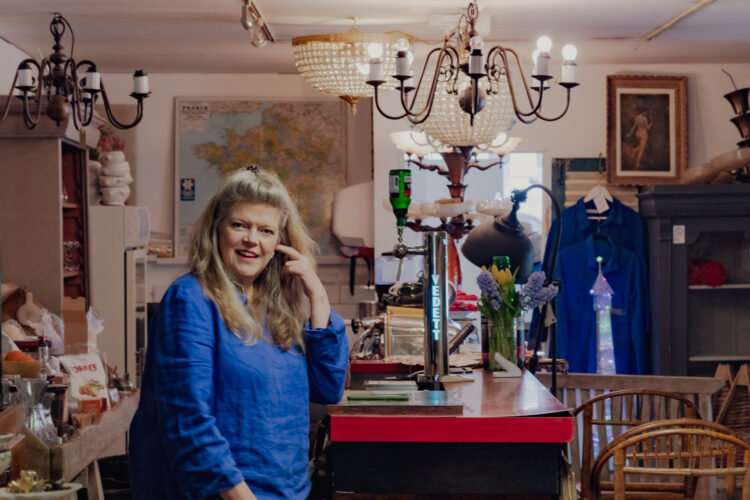
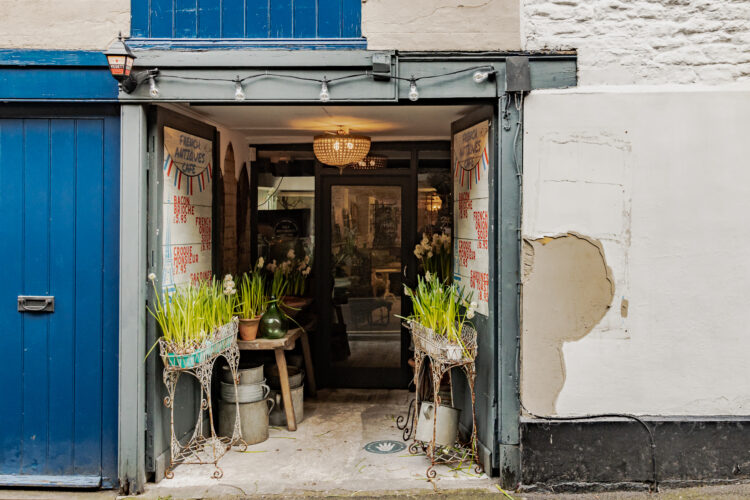
Cheap Street, which has never been used for vehicular traffic and hosts a raft of cool cafés and retailers, is still laid out on its original 16th-century land plots. The upper storeys of its timber-framed buildings jut out almost so far as to kiss in the middle. Down the centre of the street there’s an unusual feature: a narrow running stream, or leat, fed by a spring in a corner of St John the Baptist’s churchyard. It’s an unmissable attraction for tourists – though not quite literally. “We get a lot of wet feet coming into our store!” says Polly Markham of French General Trading, based on nearby Church Street.
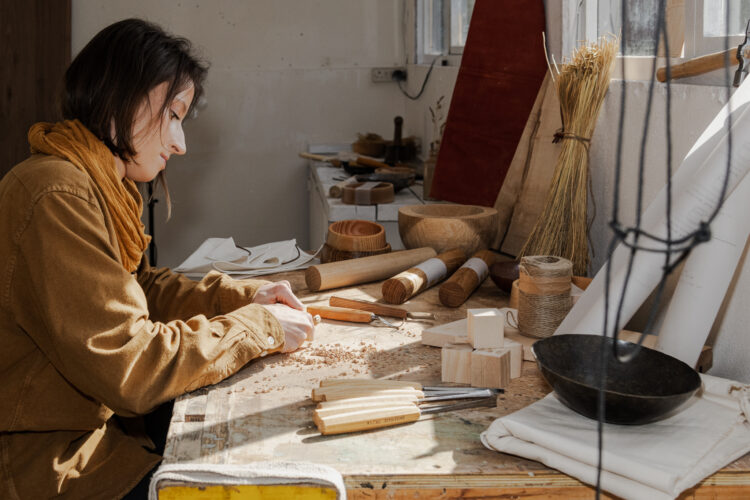
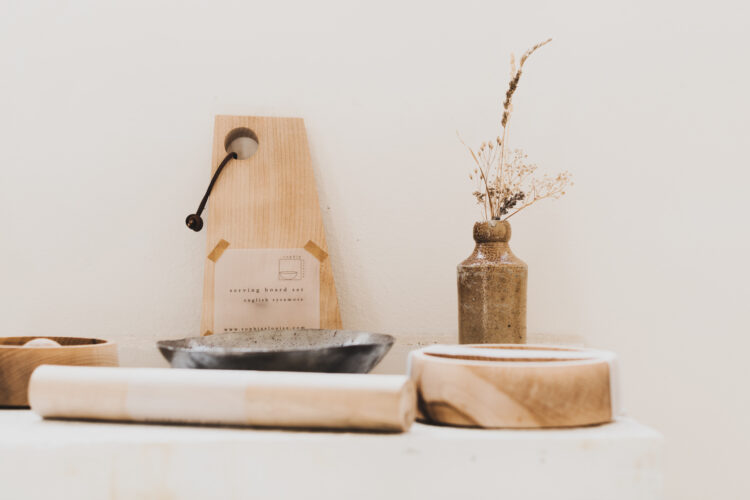
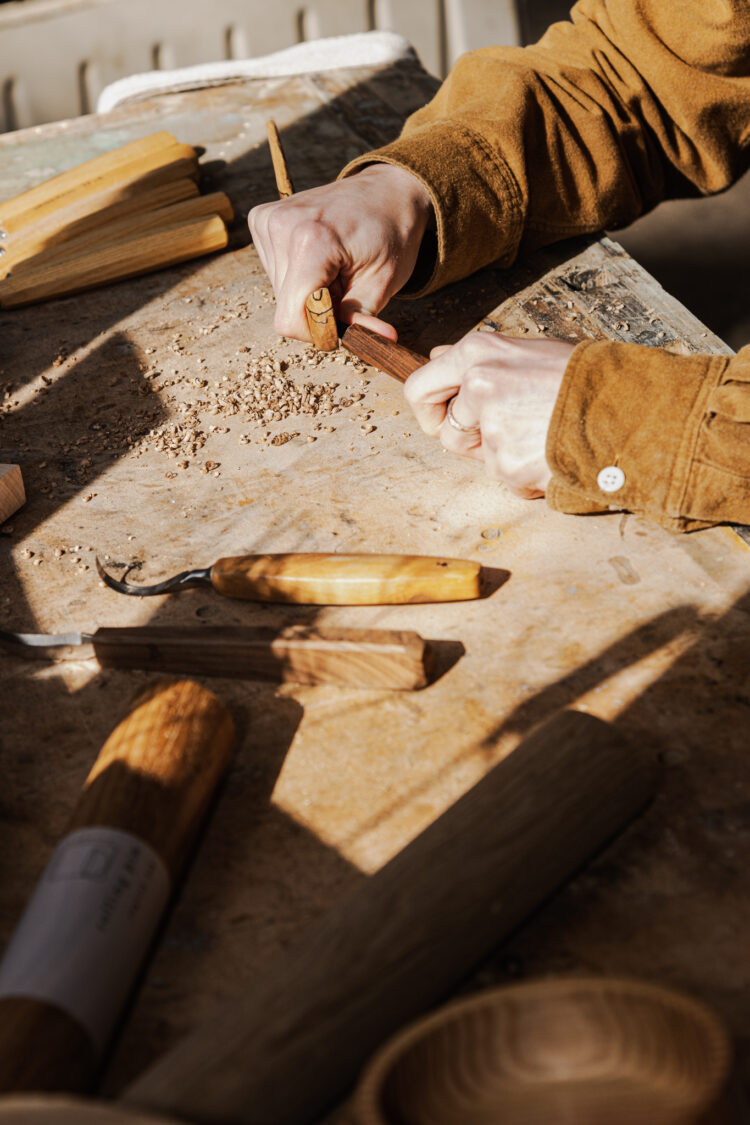
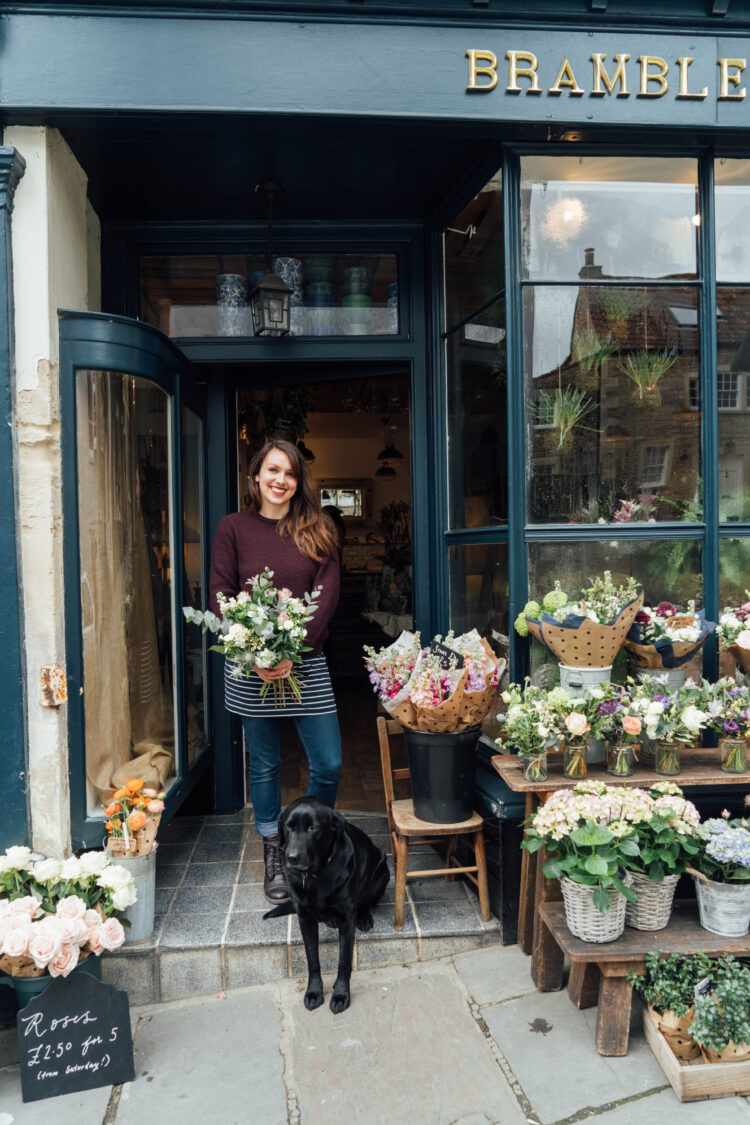
Today, Frome is filled with myriad makers who have filled the town with artisanal outposts. We’ve spoken to three of them to hear their recommendations for what to see and do on your visit. One thing’s for certain: whether it’s due to the steep inclines, the architecture, or Frome’s blazingly independent spirit, prepare to have your breath taken away in every way possible.