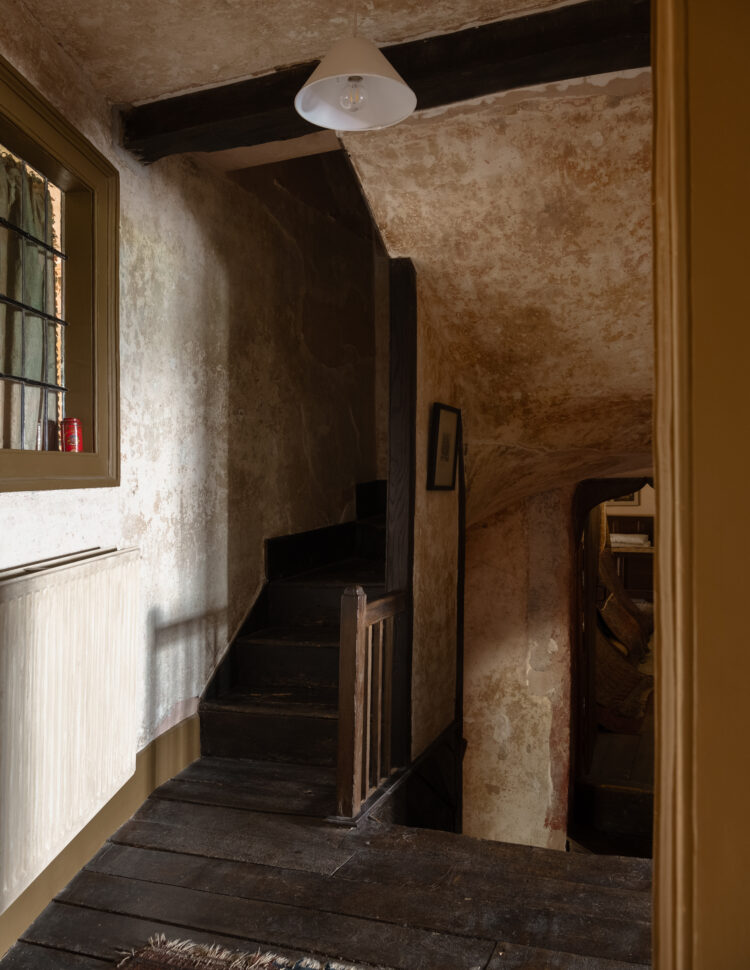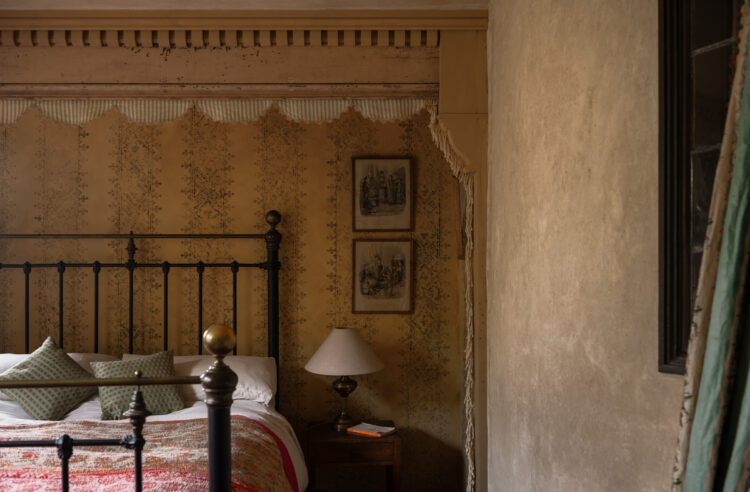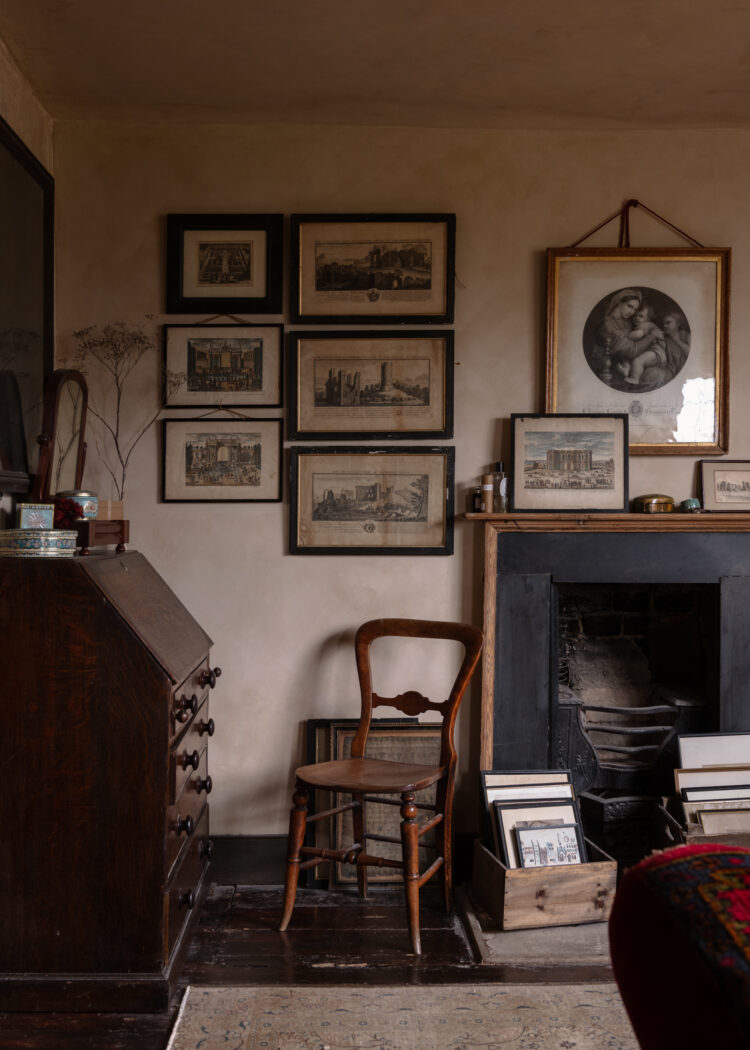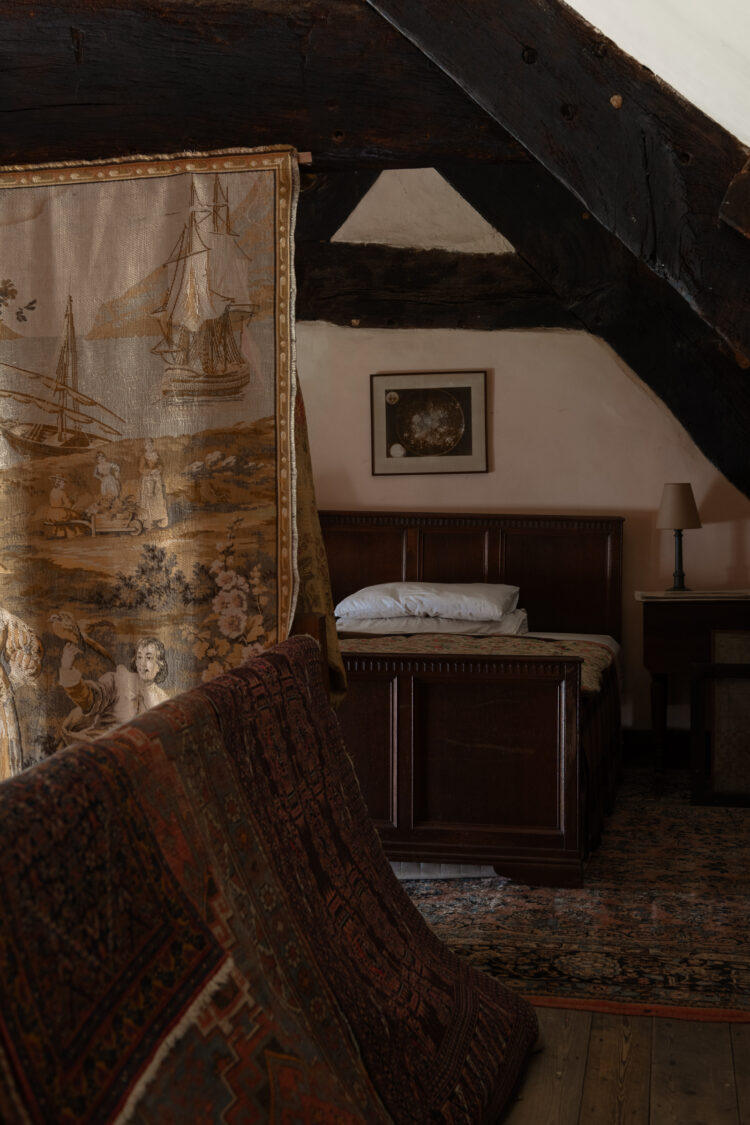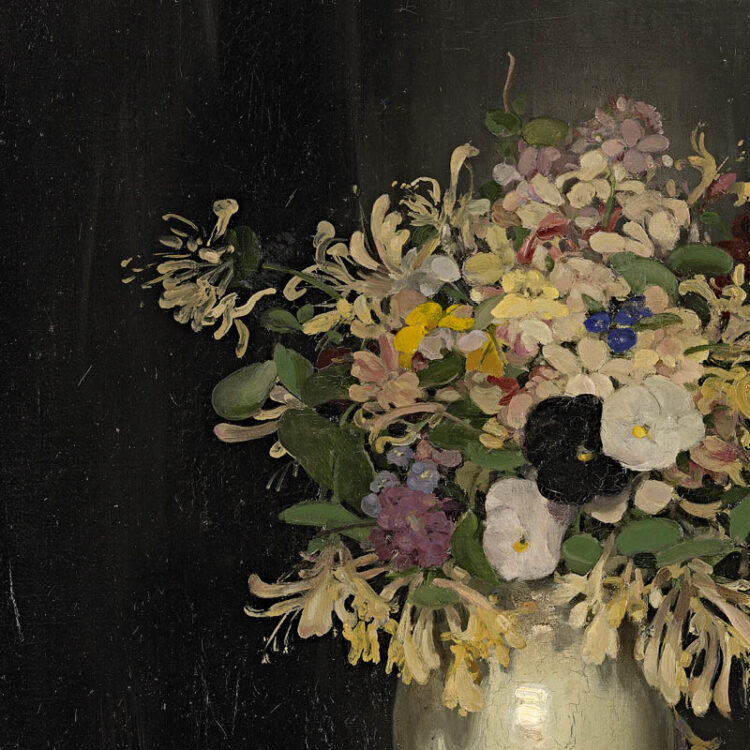



In his 1933 essay on aesthetics, In Praise of Shadows, the Japanese author Jun’ichirō Tanizaki describes the way his native architectural vernacular – heavy tiled roofs, deep eaves, no glass – was designed largely to keep away the sun. “A light room,” like those common in Western architecture, “would no doubt have been more convenient for us, too,” he writes. “The quality that we call beauty, however, must always grow from the realities of life, and our ancestors, forced to live in dark rooms, presently came to discover beauty in shadows, ultimately to guide shadows towards beauty’s end.”
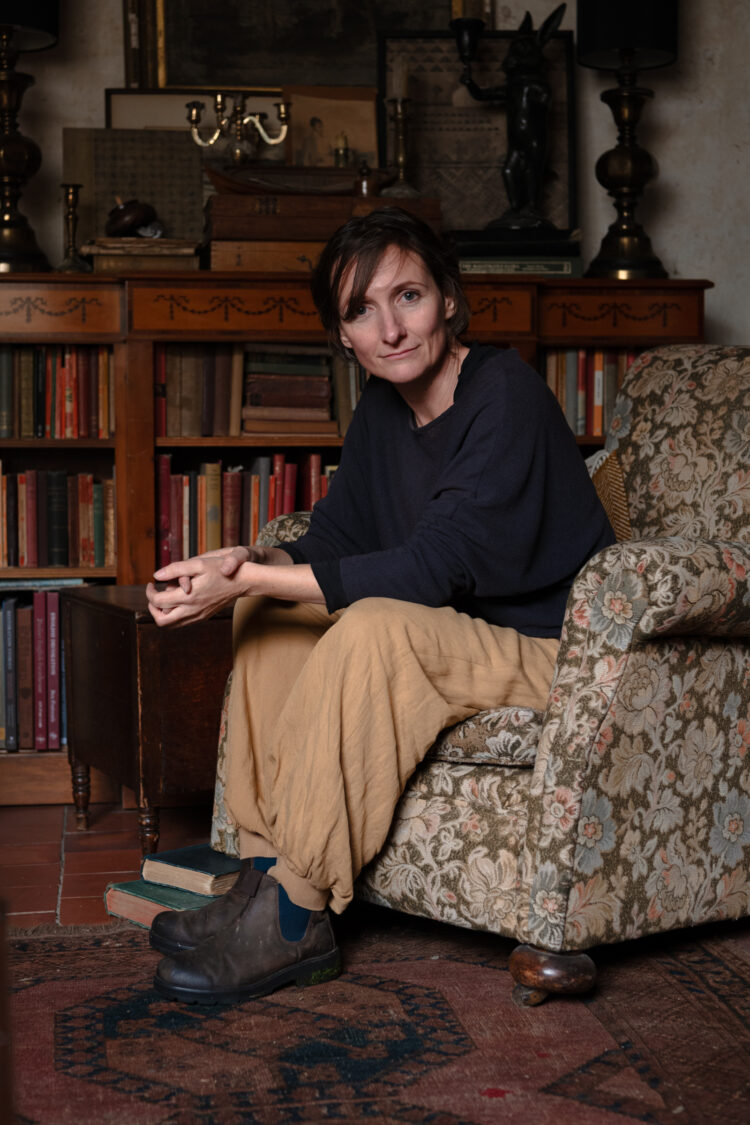
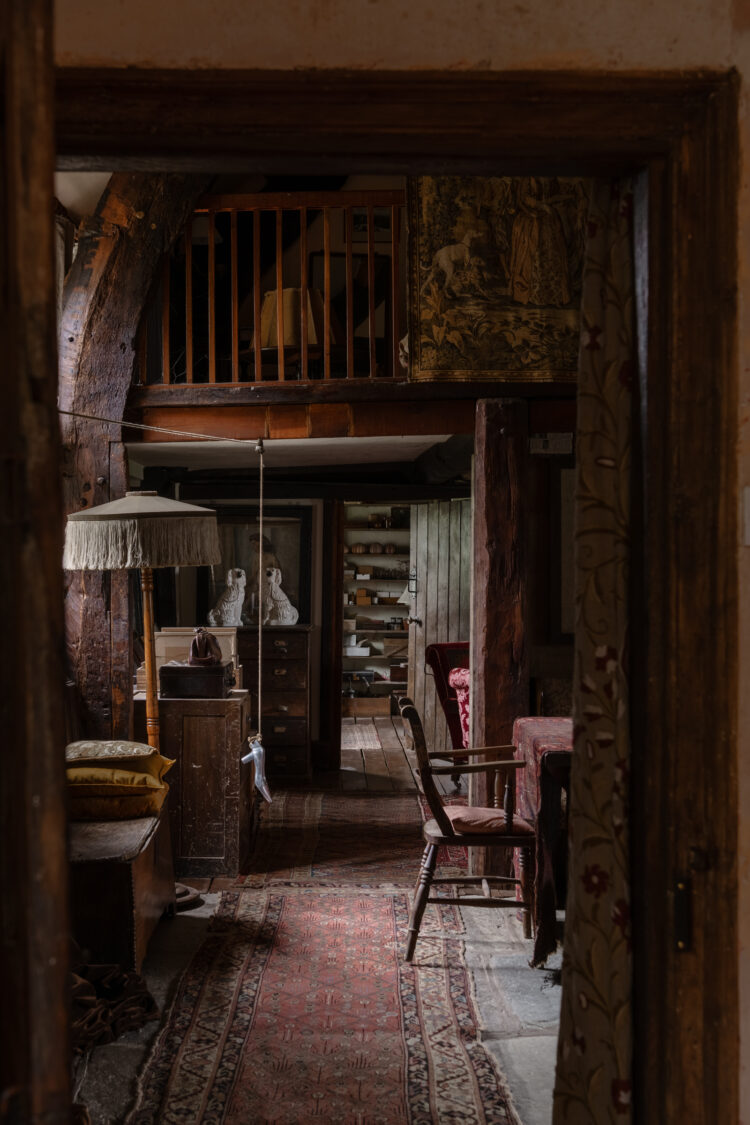
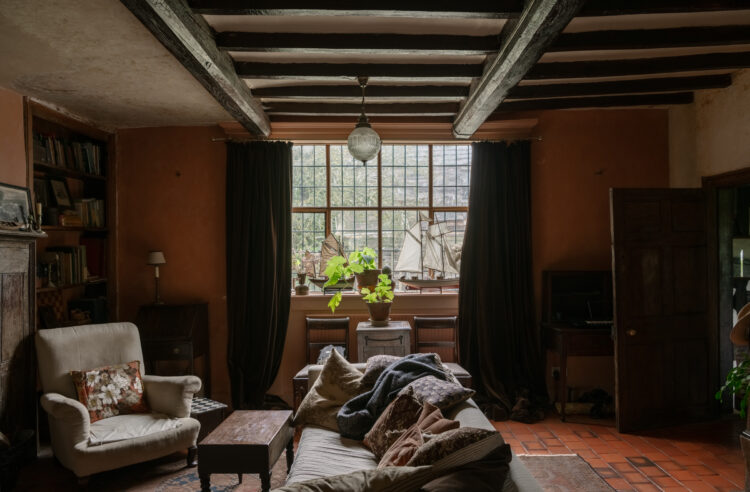
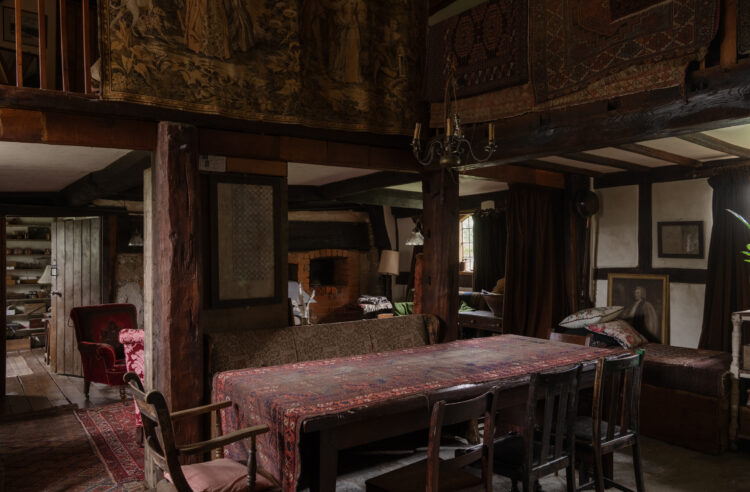
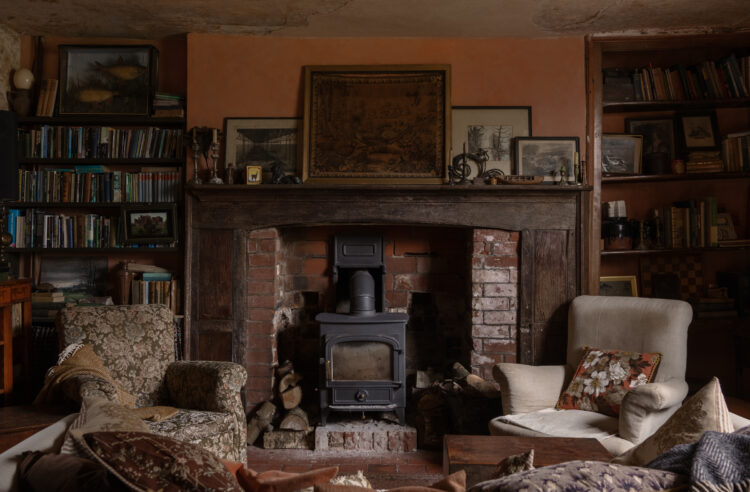
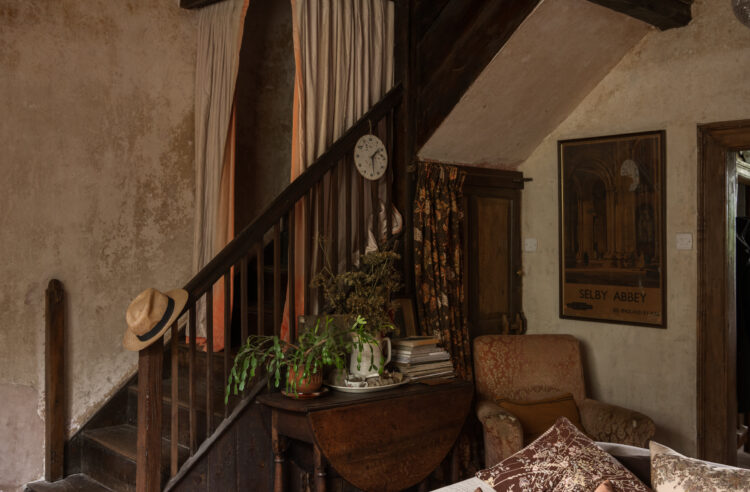
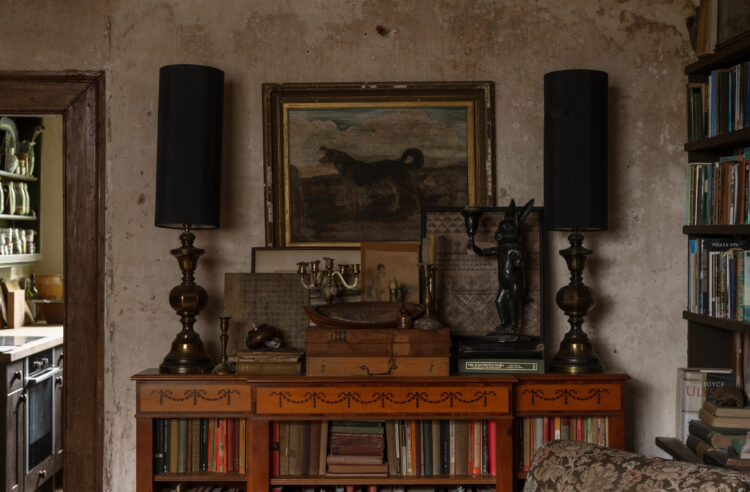
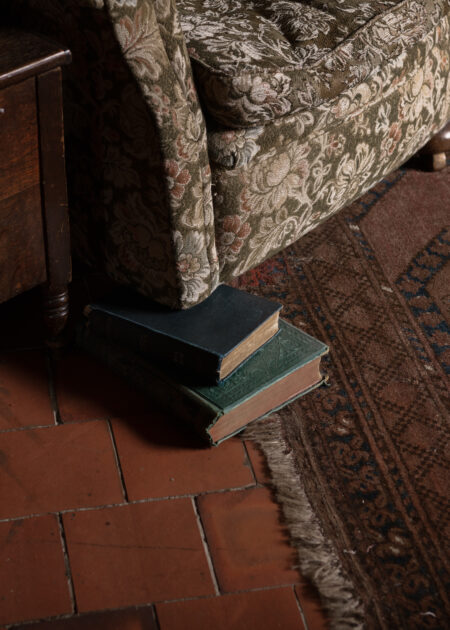
There are some 6,000 miles and 90 years separating Elle Kemp and Martin Gane from Tanizaki but, stepping into the stygian shadowiness of their farmhouse in rural Herefordshire, one feels the author’s words ringing true. “I hate turning the lights on,” Elle says, standing in the cavernous medieval double-height hall space, its balcony and huge crucks just visible in the glow coming in through the small leaded windows. Next door is the Georgian section of the house, where the walls – some mottled plaster, others limewashed – are almost radiant in the gloaming, every variation in their texture picked up by what silver light does steal in. Once again, Tanizaki’s words seem to hover: “A lustre here would destroy the soft fragile beauty of the feeble light.”